




At True Digitizing, we transform your creative spark into flawless, high-quality embroidery digitized designs that bring your vision to life.
Our Blogs
We Accept

Copyright 2025 Truedigitizing






At True Digitizing, we transform your creative spark into flawless, high-quality embroidery digitized designs that bring your vision to life.
We Accept
Copyright 2025 Truedigitizing
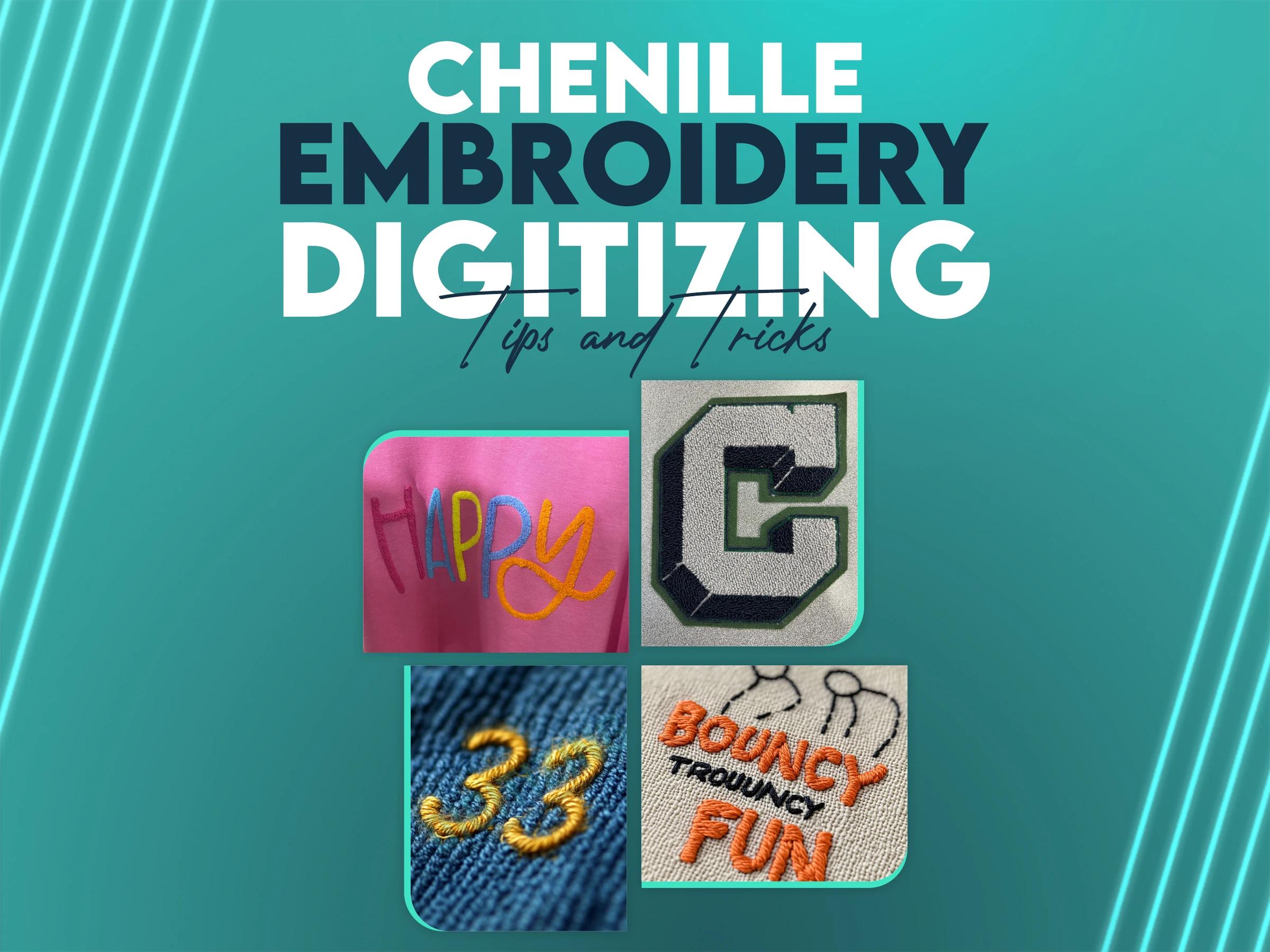


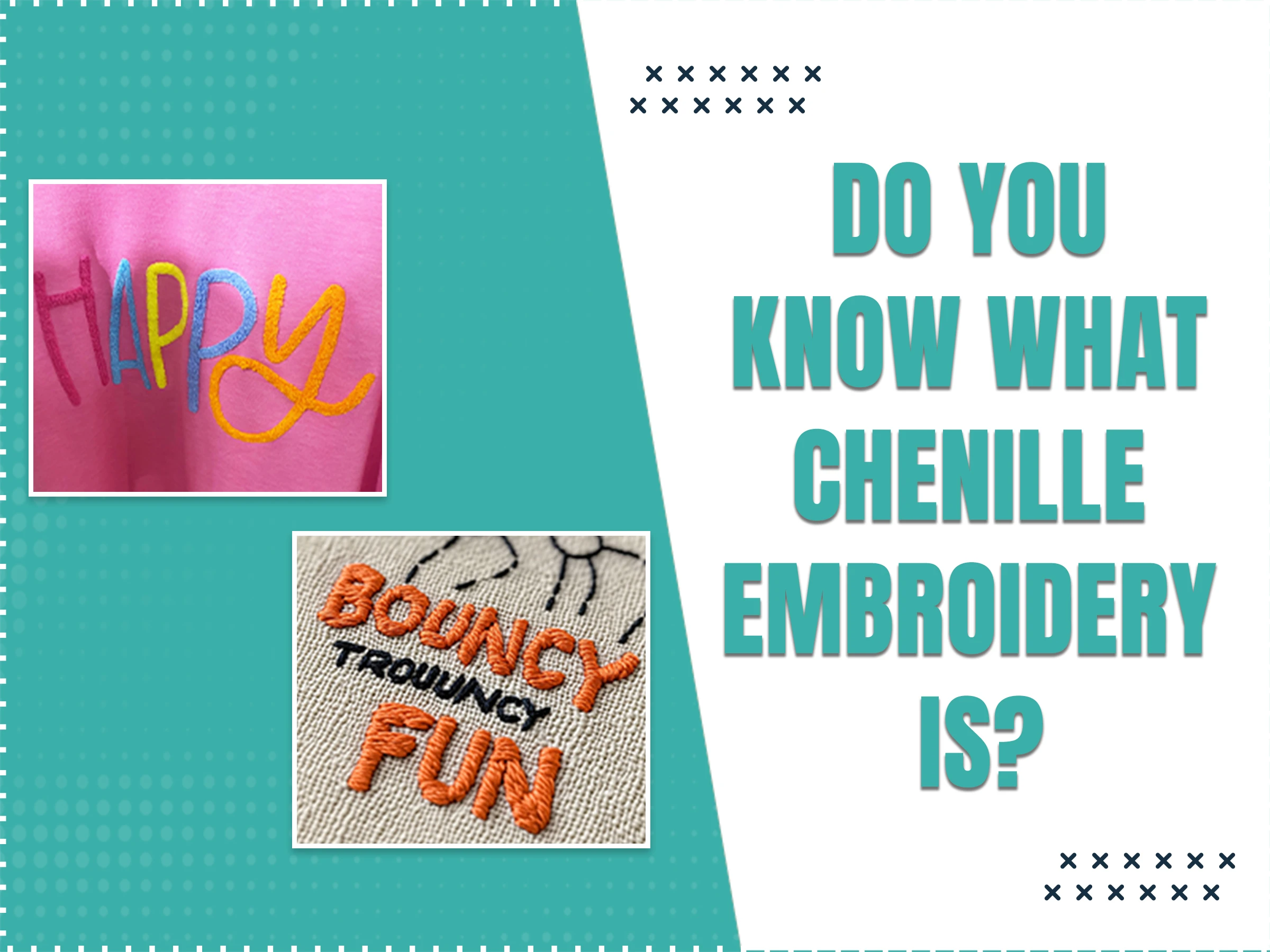
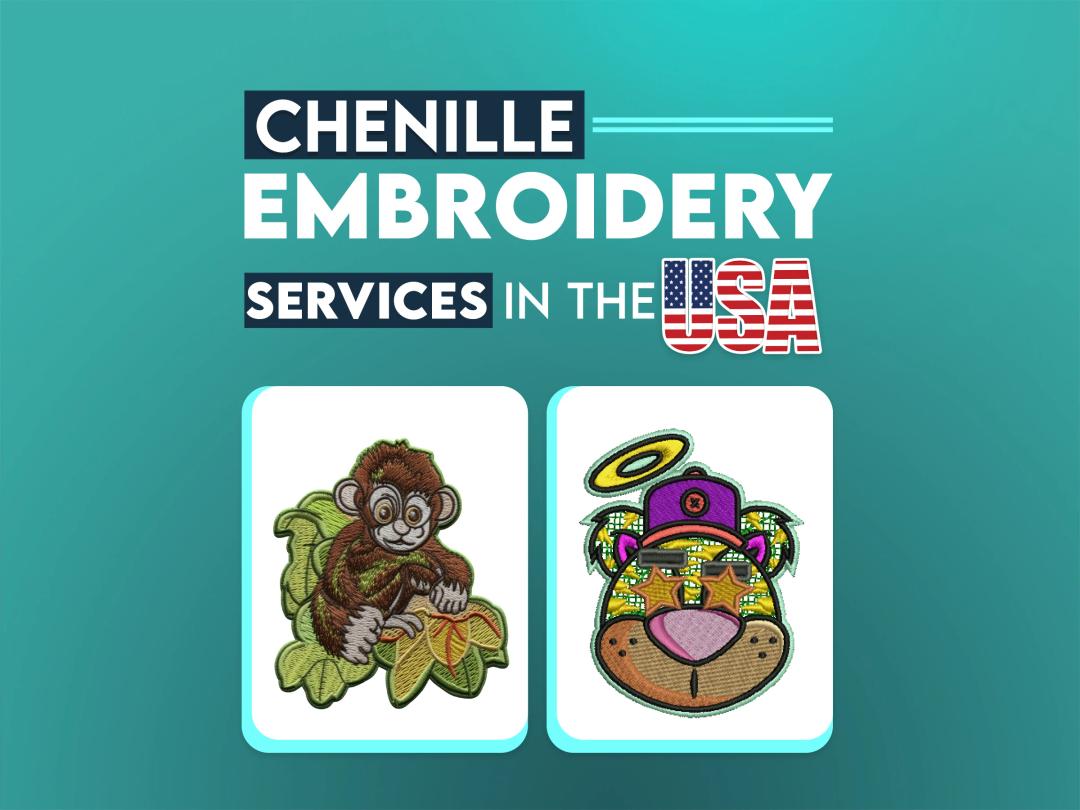
Chenille embroidery is an ornamental stitch. The yarn used is thick and plush, giving the design a textured and raised appearance. It is very popular for creating bright, three-dimensional logos, monograms, and patterns, which are predominantly designed for sports jackets, hats, shirts, and blankets.
Unlike regular embroidery, chenille employs loop or chain stitches that create a tufted look to the design. Digitizing requires precision so that the machine can recreate the correct texture and depth of the fabric. Those wanting to learn how to digitize chenille embroidery should know the qualities of the stitch.
Tips and Tricks for Chenille Embroidery Digitizing
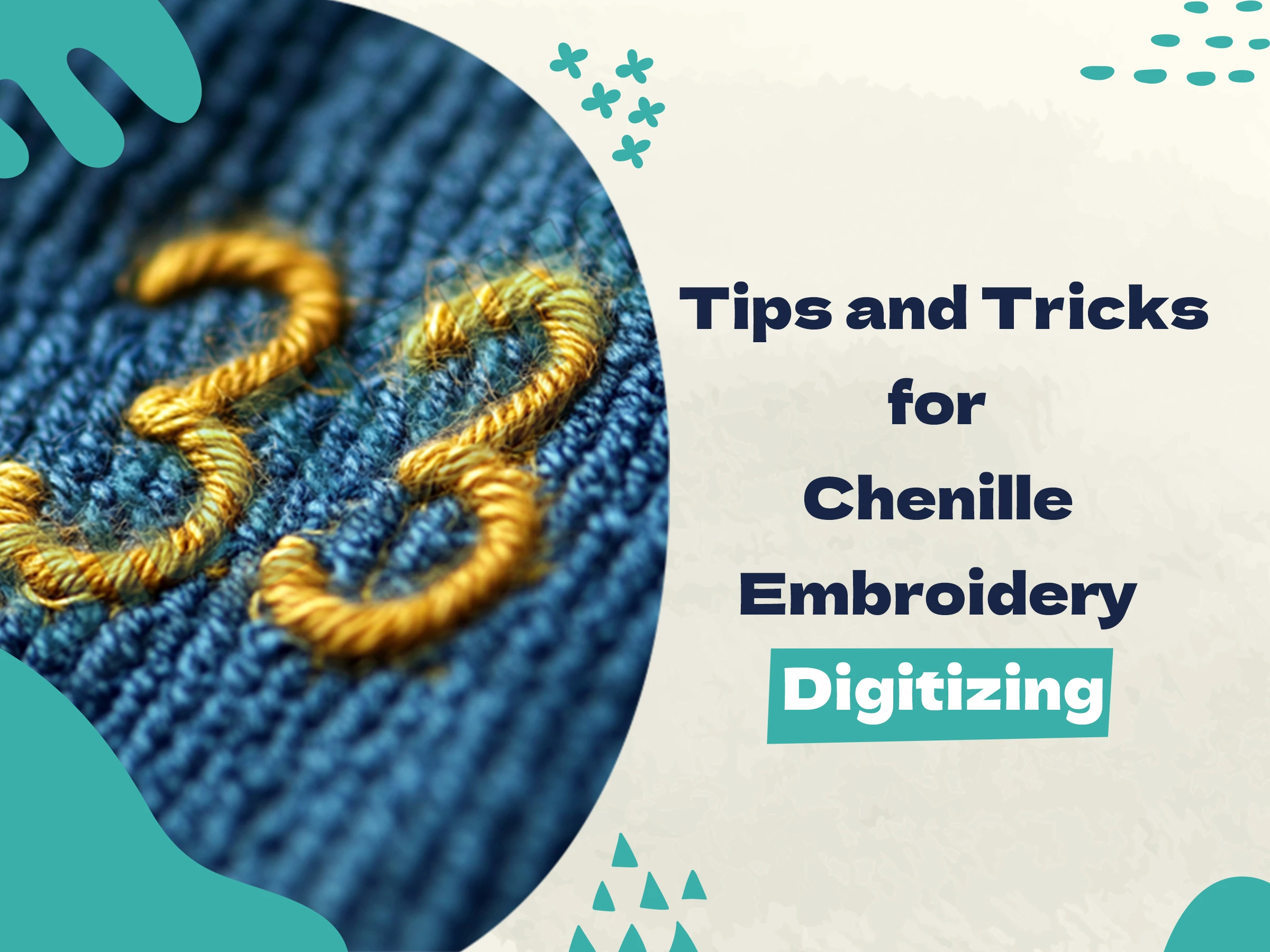
Creating perfect chenille embroidery designs requires both experience and creativity. Here are some helpful tips to enhance your digitizing skills:
Please select a fabric, such as fleece, felt, or wool, that gives chenille its textured look.
Ensure the design suits chenille; by the way, bold and simple patterns are best.
Do not overwork the stitches because chenille requires low stitch density to preserve its plush appearance. Test different densities to get the perfect setting for your project.
Always select chenille-friendly embroidery software like Wilcom that has loop or chain stitch options. Get the best chenille yarn for a smooth outcome.
Employ zigzag or lattice underlays to provide a firm base for the chenille stitches. Correct underlay will ensure the yarn is securely placed and does not lose texture.
Always run a sample stitch-out to identify and fix any issues before starting the final project.
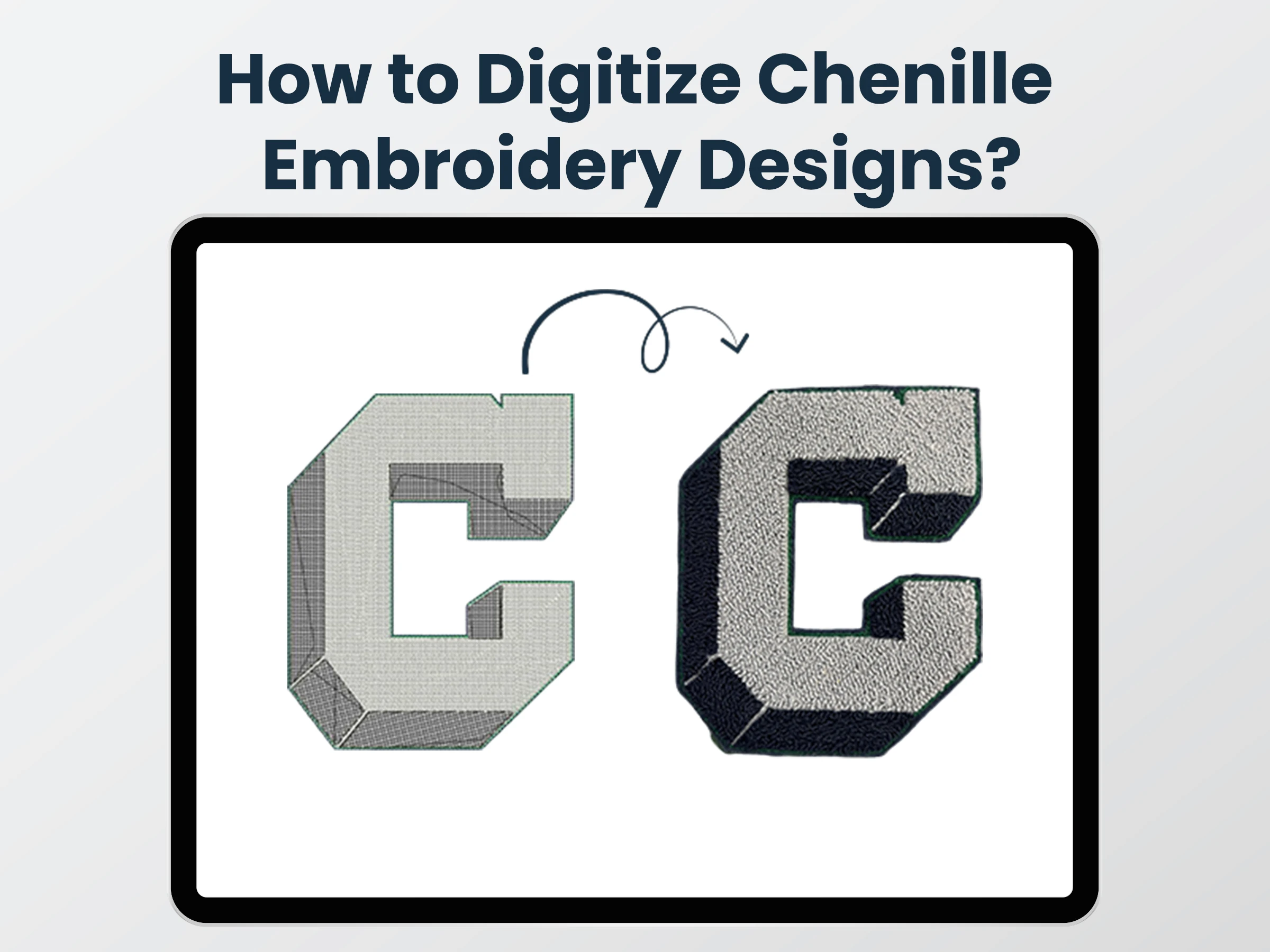
Digitizing chenille embroidery designs is a way of converting artwork into stitch files that guide the embroidery machine. Here's how to do it:
Choose Suitable Software: Use the best embroidery software like Wilcom, Pulse, or Hatch that supports chenille digitizing.
Choose the Right Stitches: Chain or moss stitches are ideal for chenille.
Define the Underlay: Zigzag or lattice underlays provide stability.
Adjust Stitch Length: Long stitch lengths will create the texture of chenille.
Optimize Pathing: Optimize stitch sequencing to minimize thread breaks and save time.
Yes, embroidery machines can use chenille; however, not all of them do. Chenille is specialized in some embroidery machines, like the Barudan Chenille Embroidery Machine and Tajima TMEZ-SC Series. Chenille uses a loop-style embroidery technique that makes designs three-dimensional, soft, and raised. It uses chenille yarn instead of traditional embroidery thread to create soft, plush lettering and patterns.
Some more advanced multi-needle embroidery machines can be used for chenille embroidery with unique heads. Still, they will not be as productive as in a purpose-built chenille.
Chenille embroidery and regular embroidery vary vastly in texture, technique, and application:
Texture: Chenille embroidery is soft and three-dimensional, whereas regular embroidery lies flat or has a slightly raised appearance, depending on the stitch used.
Stitch Type: Regular embroidery uses different types of stitches, like satin, fill, or running stitches, while chenille uses loop or chain stitches to achieve the characteristic tufted appearance.
These differences make chenille embroidery ideal for bold, attention-grabbing designs, whereas regular embroidery suits intricate, detailed patterns.
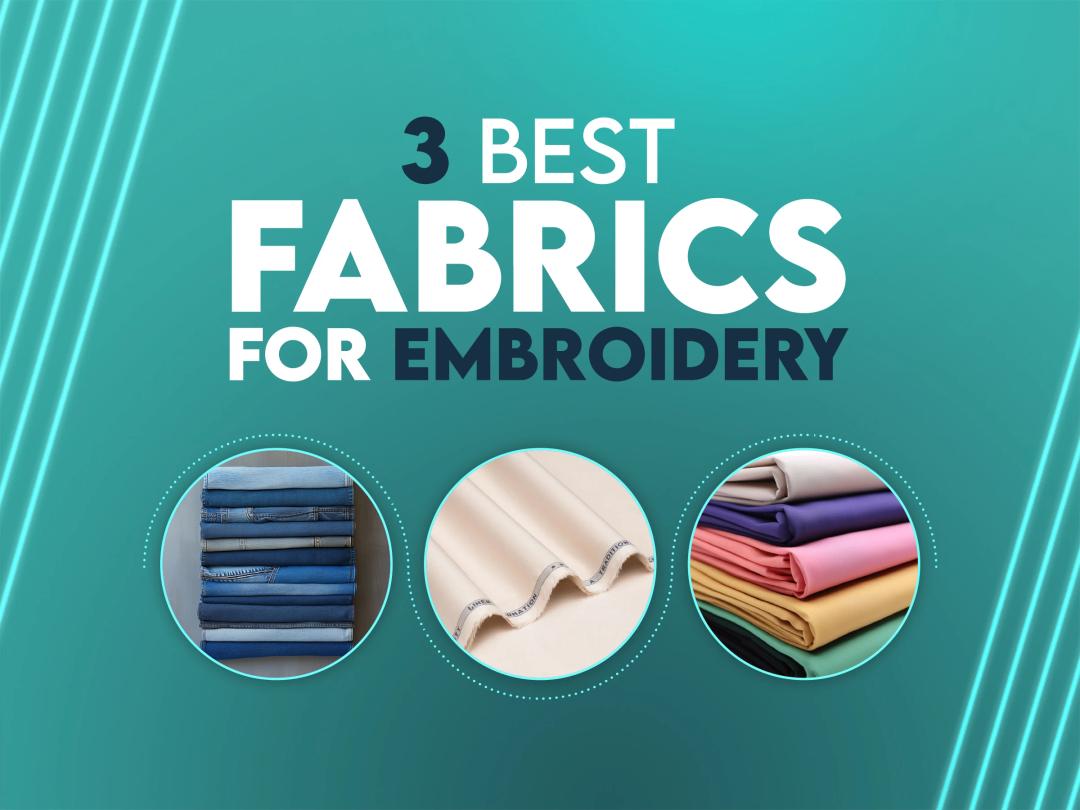
The right fabric is crucial in chenille embroidery because it determines the final and long-lasting look. Some of the best options include:
Wool: Durable and soft, ideal for maintaining chenille's texture.
Fleece: Adds extra plushness to the design.
Felt: Provides a sturdy base, preventing distortion.
Cotton Twill: Commonly used for varsity jackets and caps.
Avoid thin or stretchy materials that may not support the chenille texture. Pre-check your fabric to ensure compatibility with chenille stitching.
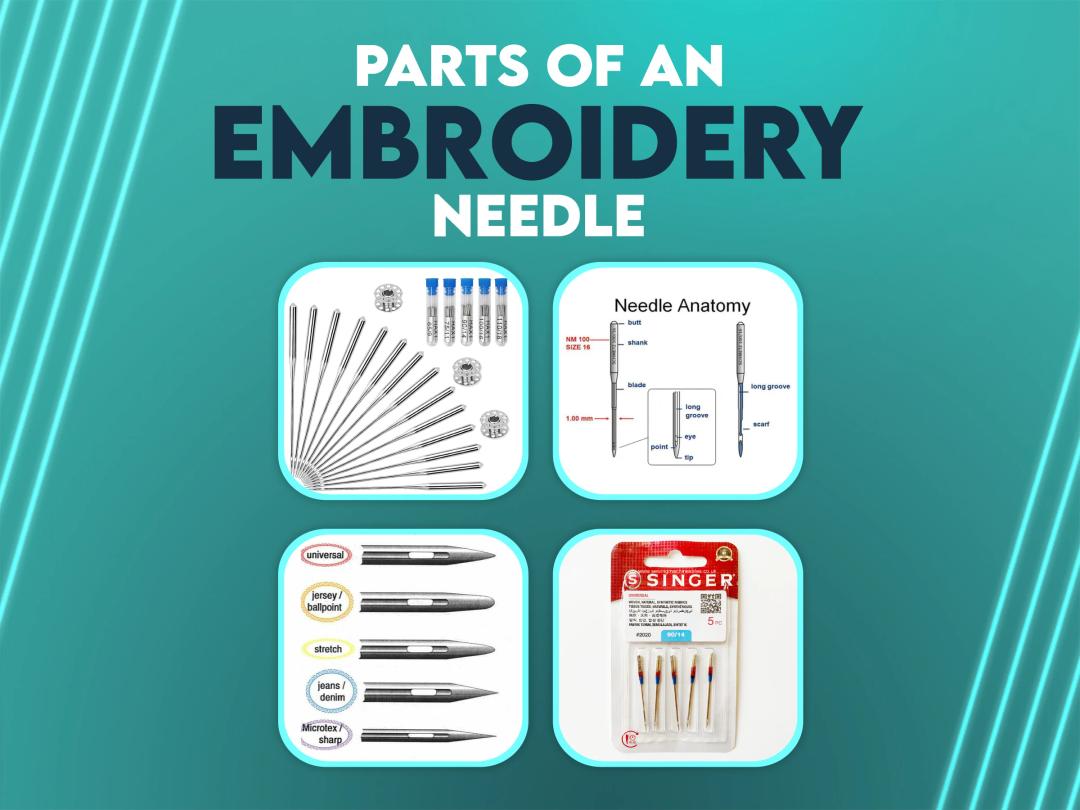
A large-eye needle is essential for chenille embroidery to accommodate the thick yarn. Sizes 14 to 16 are usually recommended for larger designs.
The Barudan Chenille Machine and Tajima TMAR Series are among the top choices for chenille embroidery. These machines offer:
High-Speed Capabilities
Advanced chain and loop stitch functions.
Reliable tension control for consistent results.
A professional-quality chenille embroidery machine ensures minimum mistakes while buying the product.
At True Digitizing, we offer quick turnaround times, guaranteed quality, and the option to preview your design before making a payment. We ensure you get exactly what you need. We are committed to delivering the best results every time. What are you waiting for? Contact True Digitizing today and experience the difference in quality and service.
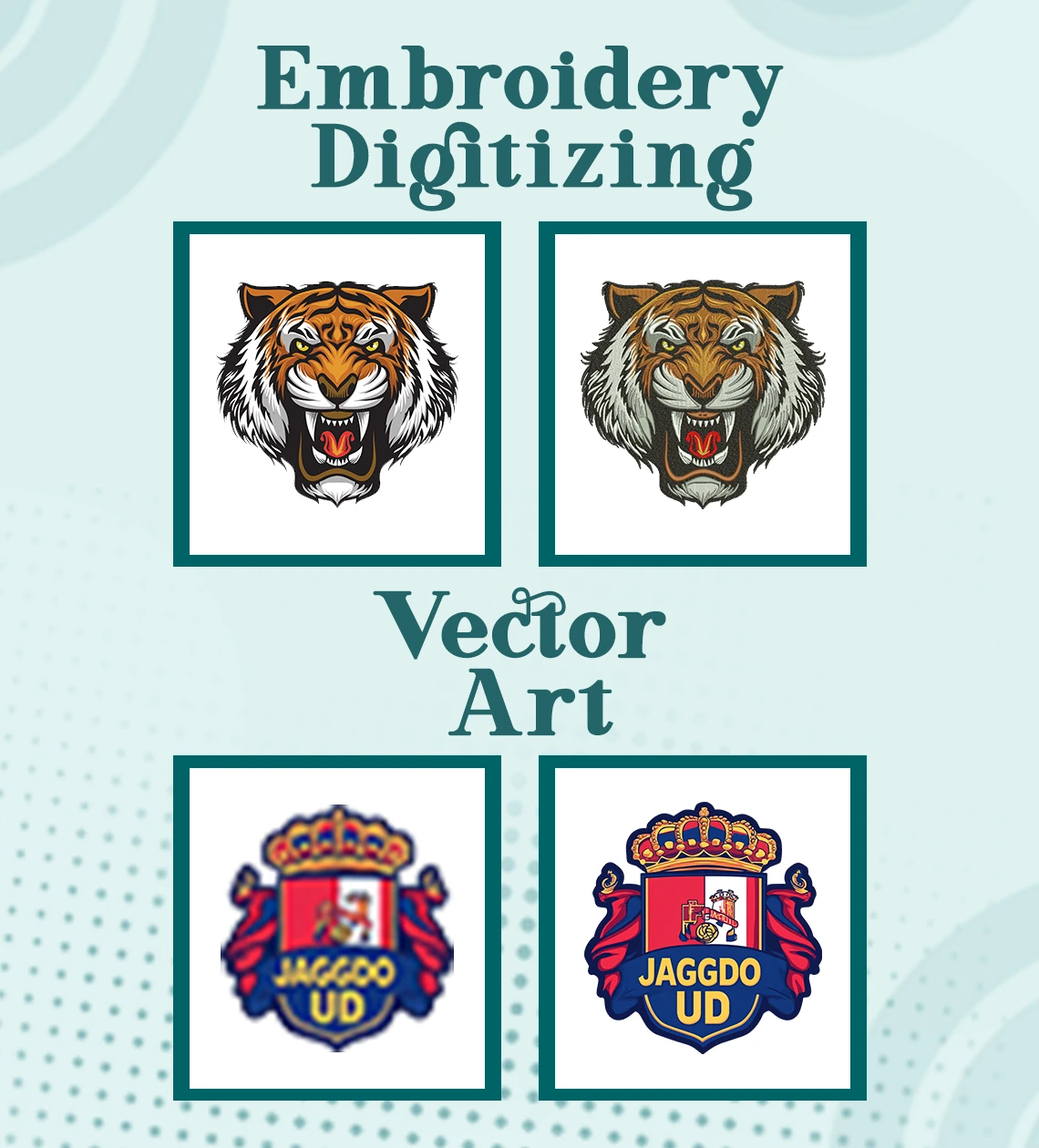
At True Digitizing, we are committing to providing the best chenille embroidery digitizing service. Our professional team ensures that every design is carefully digitized to produce the perfect plush, textured finish. Whether it’s for apparel, accessories, or marketing items, we bring your chenille designs to life with accuracy and the highest quality.
As we discussed above, chenille embroidery digitizing is a combo of creativity and perfection, offering a unique way to create textured, eye-catching designs. By understanding the chenille embroidery digitizing tips and techniques shared in this detailed guide, you can enhance your chenille digitizing skills and produce exceptional results.
If you’re looking for expert chenille and other embroidery digitizing services,True Digitizing is your trusted partner. With a proven track record of delivering high-quality digitized designs, True Digitizing ensures your projects stand out.Nick William has been immersed in the world of embroidery digitizing for over 20 years, earning 25 industry awards throughout his career. As a 3rd generation embroidery expert, Nick’s journey started in his family’s workshop, where he learned the art of digitizing before the rise of modern software. He has worked with leading commercial embroidery businesses and has shared his expertise with over 75,000 home and professional embroiderers. As an author at True Digitizing, Nick is passionate about teaching others how to create beautiful, precise designs through easy-to-follow tutorials and expert advice.
Categories

Embroidery Digitizing Services: Which Type Do You Need?
17-08-2026
How to Remove Embroidery From Any Fabric — Step-by-Step Guide 2026
15-07-2026

Is SVG a Vector File? Yes — SVG vs EPS, PNG, PDF Vector Formats you need to know
08-07-2026

Embroidery Trends 2026: What's Hot in Machine & Hand Embroidery | TrueDigitizing
26-06-2026
Top Best Embroidery Digitizing Software in 2026
06-05-2026
Best Multi-Needle Embroidery Machines for Startups 2026
28-02-2026
DST File: The Complete Guide (What It Is, How to Create, Convert & Use in 2026)
28-02-2026
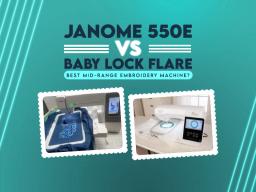
Janome 550E vs Baby Lock Flare | Best Mid-Range Embroidery Machine?
26-02-2026
Choose the Right Fabric for Embroidery
20-02-2026
Advanced Techniques in Embroidery Digitizing
19-02-2026
Asked Questions