




At True Digitizing, we transform your creative spark into flawless, high-quality embroidery digitized designs that bring your vision to life.
Our Blogs
We Accept

Copyright 2025 Truedigitizing






At True Digitizing, we transform your creative spark into flawless, high-quality embroidery digitized designs that bring your vision to life.
We Accept
Copyright 2025 Truedigitizing
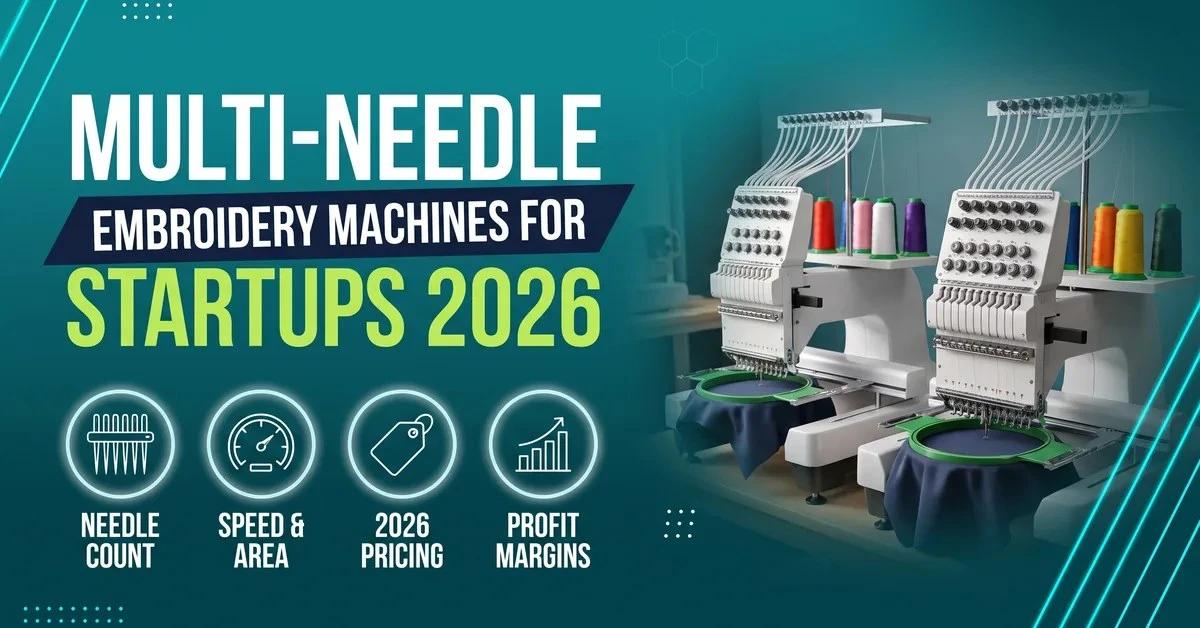


For most embroidery startups, a 6- to 10-needle machine hits the best balance of cost and output: the Brother PR680W (6 needles, priced around $12,999 through Brother dealers) or the Ricoma EM-1010-10s (10 needles, priced from $5,079) both cut thread-change downtime on multi-color logos. Needle count matters less than embroidery area and stitch speed once you go past 10 needles.
Buying your first multi-needle embroidery machine is one of the biggest early decisions in running an embroidery startup. Get it right and you cut thread-change downtime, take on bulk orders, and produce cleaner multi-color logos. Get it wrong and you're stuck with a machine that's too slow, too small, or too expensive to justify against your order volume.
This guide walks through what actually matters when comparing multi-needle machines, real 2026 pricing on seven models startups buy most often, and the mistakes that cost new embroidery businesses money in their first year. True Digitizing has supported 5,000+ USA embroiderers with stitch-ready files, so we know which machine specs actually affect the files you'll be running — and which ones are just marketing copy.
Already have a machine but need clean, stitch-ready files?
True Digitizing has completed 20,000+ designs for USA embroiderers over 13+ years. Send us your logo and we'll digitize it for your exact needle count and machine format.
Get a Free Quote — True DigitizingBefore you spend anywhere from $5,000 to $30,000+, understand what actually drives day-to-day production on a startup floor.
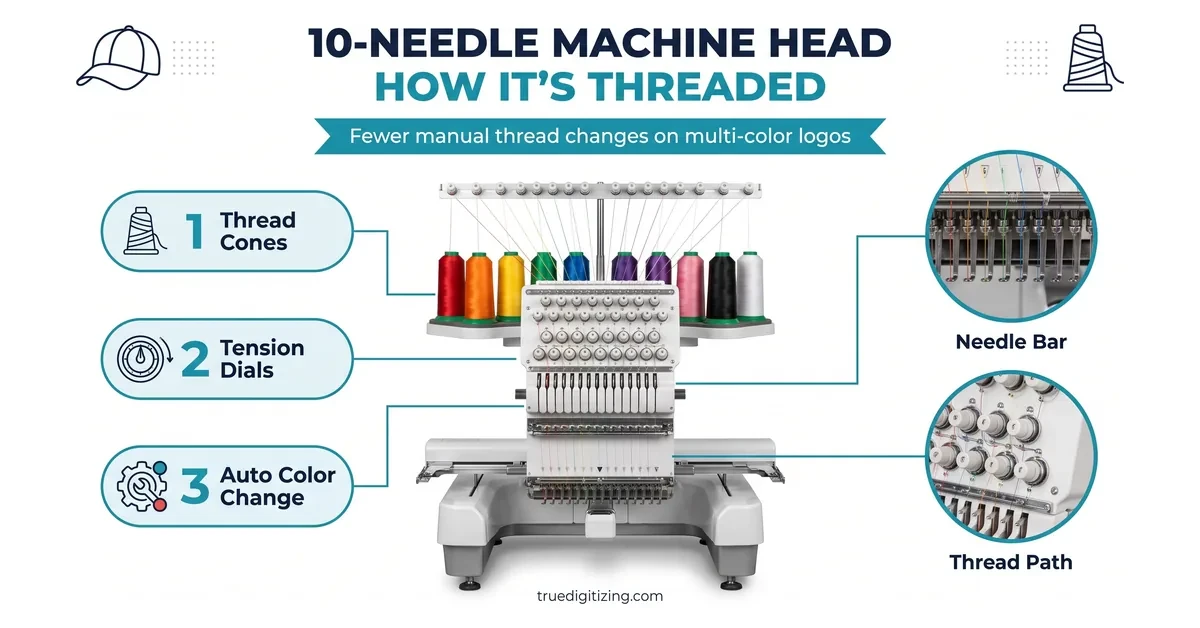
1. Number of needles. More needles mean fewer manual thread changes. A 6-needle machine works fine for simple logos and beginners. A 10-needle or larger machine pays for itself once you're running multi-color designs daily, because the machine changes thread automatically instead of you stopping the run.
2. Embroidery speed. Most commercial multi-needle machines run 800–1,200 stitches per minute (SPM). Higher speed clears bulk orders faster, but speed only helps if the machine holds stitch quality at that pace — a fast machine that skips stitches or breaks thread costs you more in rework than it saves in time.
3. Embroidery area. If you plan to stitch jacket backs, tote bags, or oversized logos, check the maximum hoop field before you buy. A compact 8"×12" field (typical on entry 6-needle machines) limits you to caps, chest logos, and small items.
4. Ease of use. Touchscreen controls, automatic thread trimming, and automatic needle threading cut setup time and operator error — important when you or a single employee are running the whole shop.
5. Support and warranty. Check who services the machine in your region before you buy, not after it breaks. A machine sitting idle for a week waiting on a technician can cost you more than the repair itself.
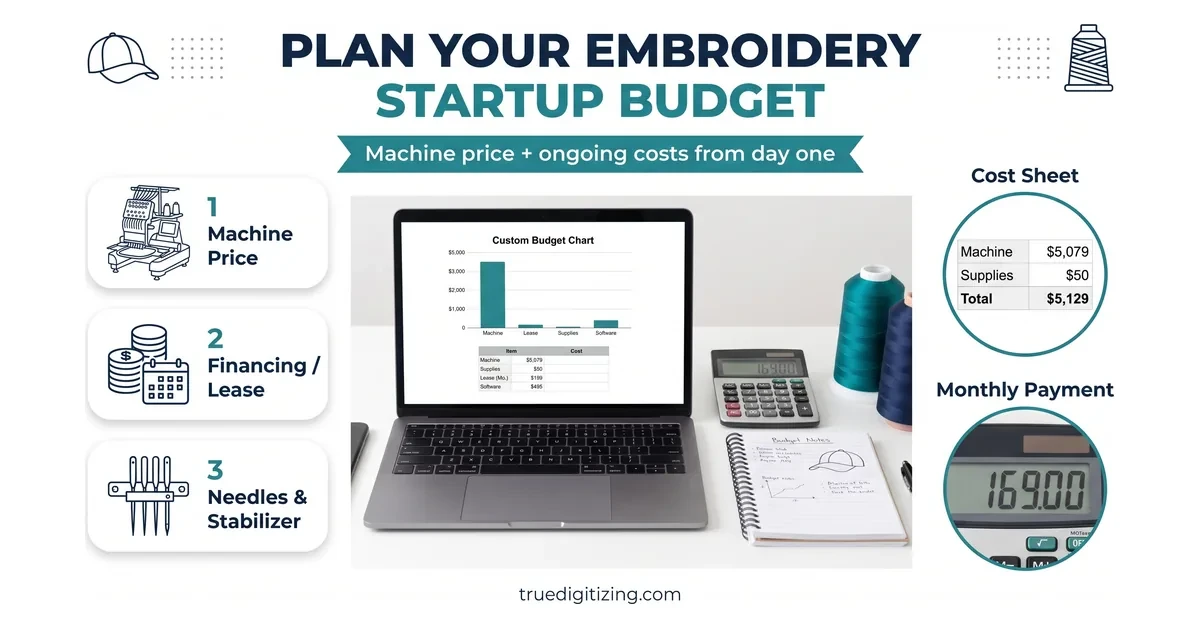
6. Budget, including financing. Most commercial embroidery-machine dealers offer financing or lease-to-own plans. Ricoma, for example, lists its entry 10-needle EM-1010-10s starting at $5,079 outright or roughly $169/month on a financing plan — useful to know before you assume multi-needle machines require a lump-sum purchase.
Here are seven multi-needle machines startups buy most often, with the specs and pricing that matter for a production decision. Brother and Janome price through authorized dealers rather than listing a fixed MSRP, so treat dealer quotes as your starting point and negotiate from there.
| Machine | Needles | Max Speed | Embroidery Area | Starting Price |
|---|---|---|---|---|
| Brother PR680W | 6 | 1,000 SPM | 8"×12" | ~$12,999* |
| Ricoma EM-1010-10s | 10 | 1,000 SPM | 15.7"×8.3" | from $5,079 |
| Brother PR1055X | 10 | 1,000 SPM | 14"×8" | Dealer quote* |
| Janome MB-7 | 7 | 800 SPM | 9.4"×7.9" | Dealer quote* |
| SWF MAS-12 | 12 | Up to 1,000 SPM | Large field* | Dealer quote* |
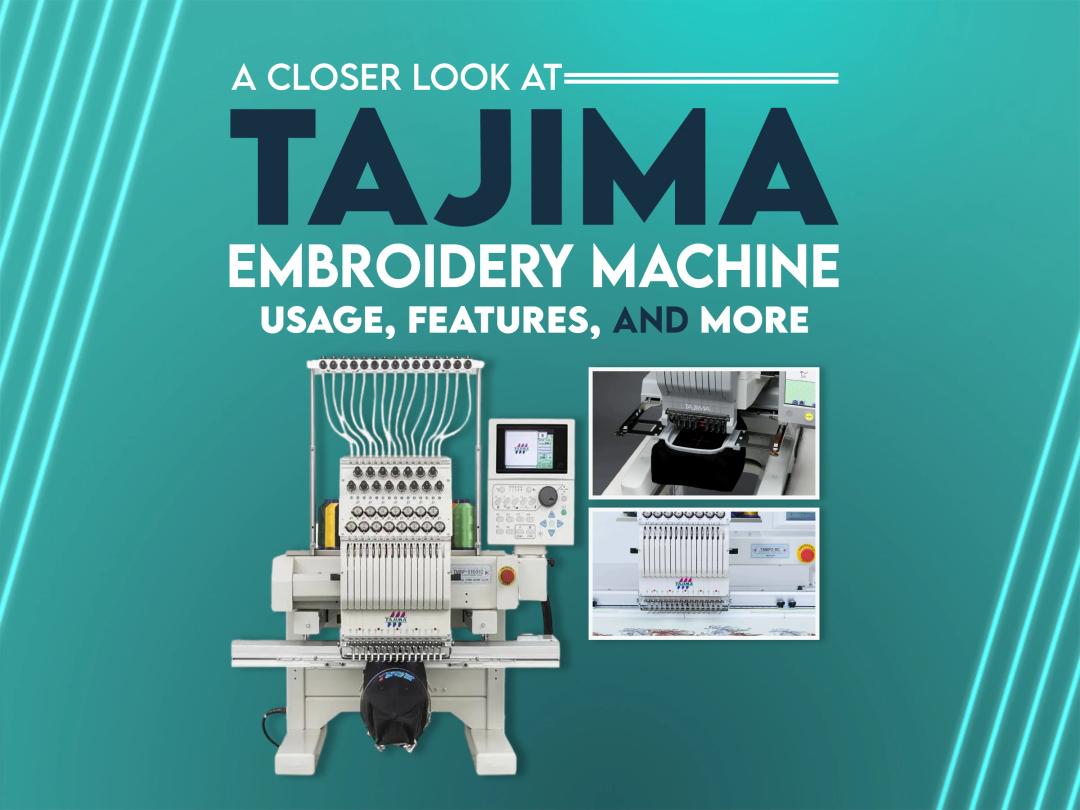
| Tajima TMBP2-SC | 15 | Up to 1,000 SPM | Industrial field* | Dealer quote* |
| Melco EMT16X | 16 | Up to 1,500 SPM* | Up to 16.1"×15.8"* | Dealer quote* |
*Brother, Janome, SWF, Tajima, and Melco price through authorized dealer networks rather than a public MSRP — specs marked with an asterisk are manufacturer-published figures, confirm exact pricing and availability with your regional dealer before purchase.
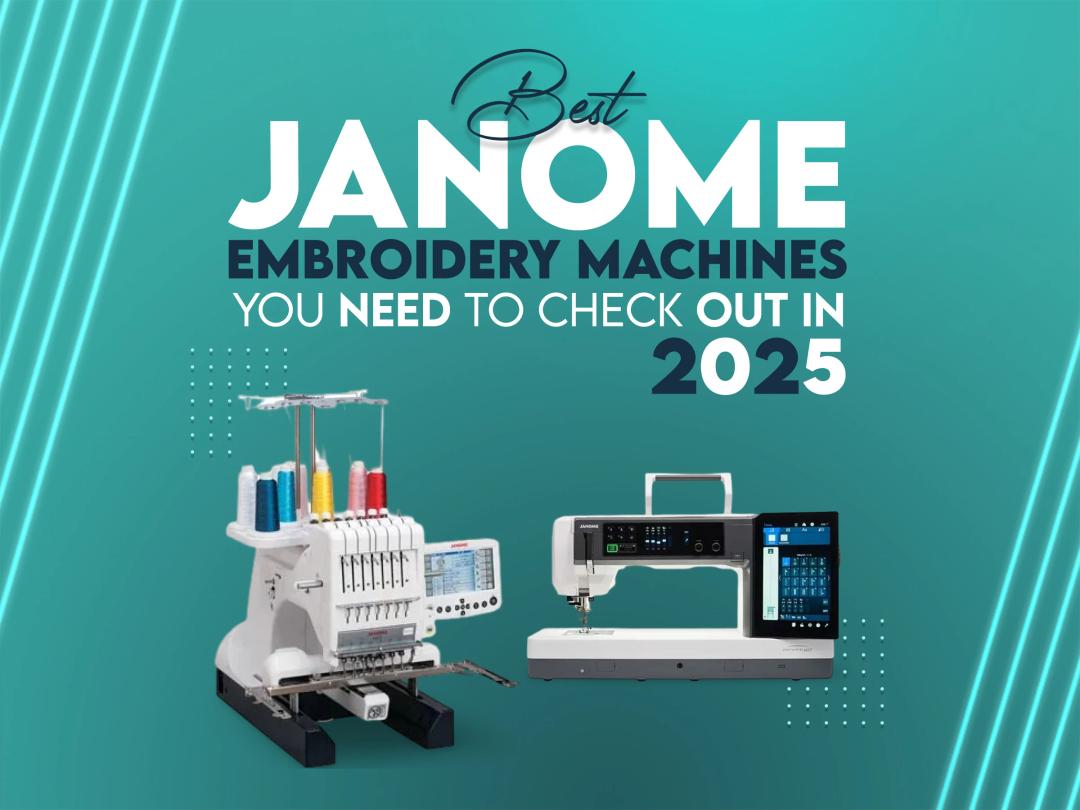
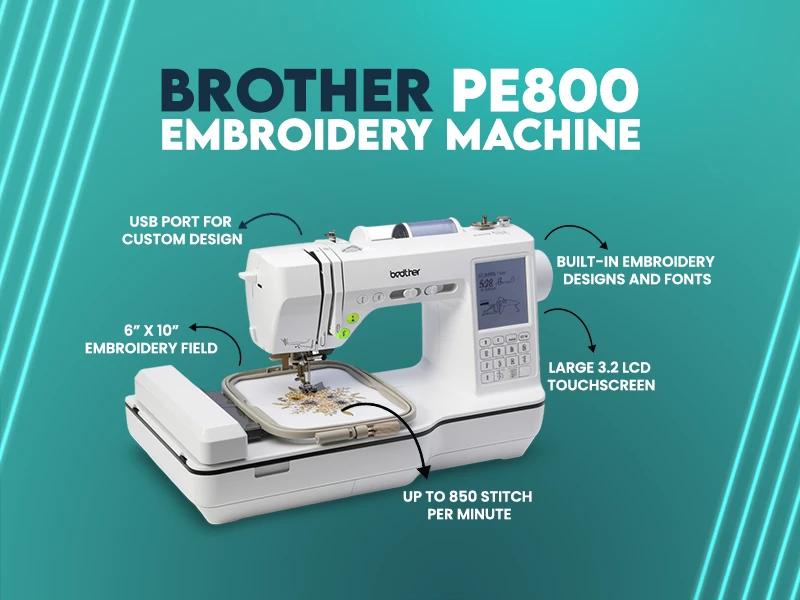
Brother PR680W — Reliable 6-Needle Machine for Small Embroidery Businesses. Brother built the PR680W for shops that want commercial results without an industrial-size setup. It runs up to 1,000 SPM, reaching top speed in about seven seconds, and uses a Crosshair Embroidery Droplight Laser for needle-drop positioning accurate to within 0.5mm — useful when a hoop goes in slightly crooked. It's wireless-enabled, supports cap frames, and trims thread automatically.
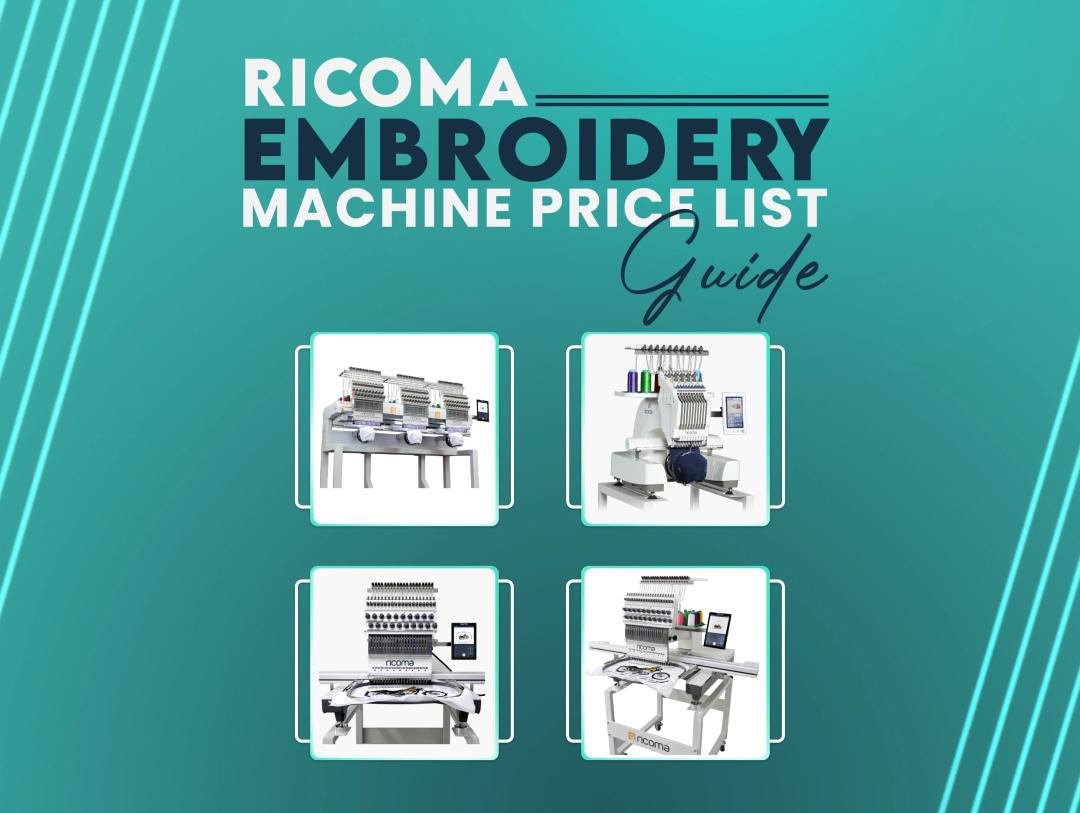
Ricoma EM-1010-10s — Best Entry-Level 10-Needle Machine. Ricoma currently markets the EM-1010-10s as its "best starter pick" for businesses moving from a single-needle setup, priced from $5,079 (or around $169/month financed). The 10-needle head cuts manual color changes on multi-color logos, and it's the lowest-cost 10-needle option on this list by a wide margin.
Brother PR1055X — 10-Needle Machine for Growing Startups. Built for businesses with steadier order flow, the PR1055X pairs a 14"×8" field with camera-assisted design positioning to reduce placement errors on garments and caps — a meaningful step up in embroidery area over the PR680W.
Janome MB-7 — Budget-Friendly 7-Needle Commercial Machine. The MB-7 targets startups that want commercial features at a controlled price point, with DST file support (the standard professional digitizing format) and a smaller 9.4"×7.9" field suited to logos and uniforms rather than oversized designs.
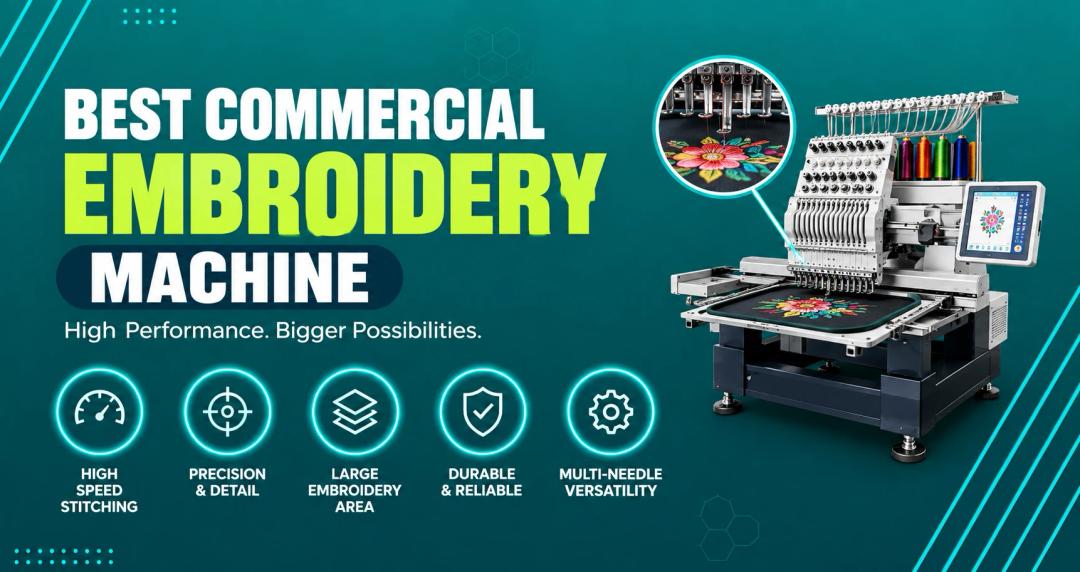
SWF MAS-12, Tajima TMBP2-SC, and Melco EMT16X sit at the higher end — 12 to 16 needles, industrial frames, and (on the Melco) modular expansion so you can add heads as you scale. These make sense once you're running steady bulk contracts, not for a first machine.
Choose needle count based on production goals, not on what sounds most "professional."
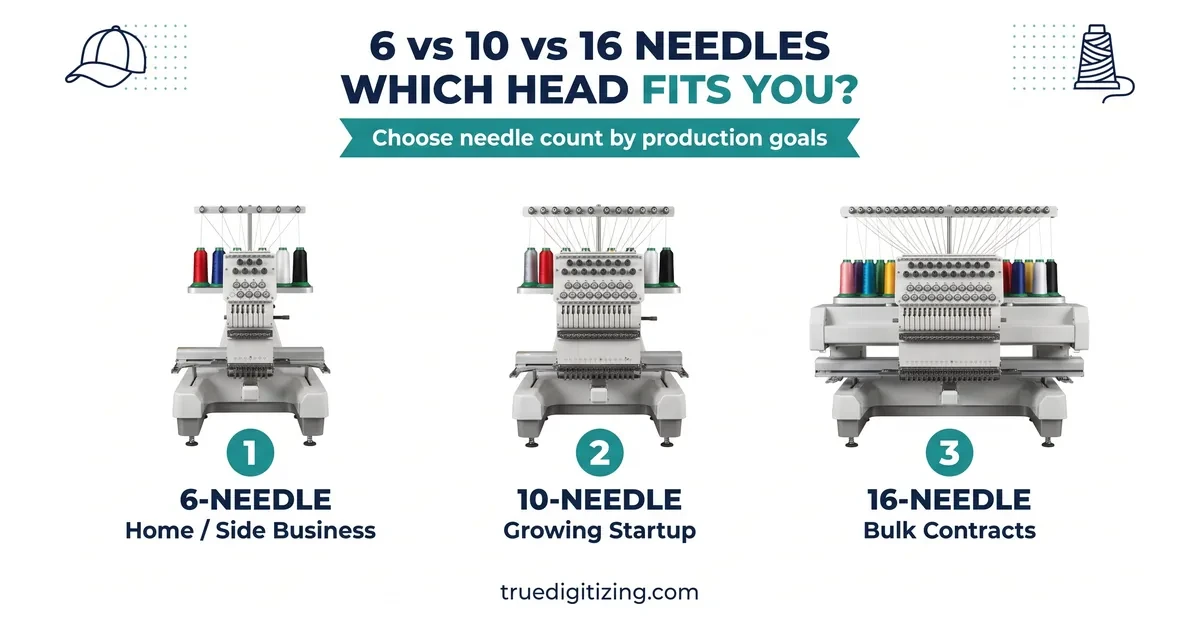
A 6-needle machine suits home businesses and simple multi-color logos, with the lowest entry cost. A 10-needle machine is the most common "first real machine" for startups because it removes most manual thread changes without the industrial price tag. A 16-needle machine only pays off once you're accepting bulk contracts that would otherwise bottleneck on thread changes — buying one before you have that order volume just ties up capital.
See our full breakdown in best multi-needle embroidery machines if you want the wider buying guide beyond startup-specific picks, or check the Ricoma price list for a deeper look at Ricoma's full lineup and financing options.
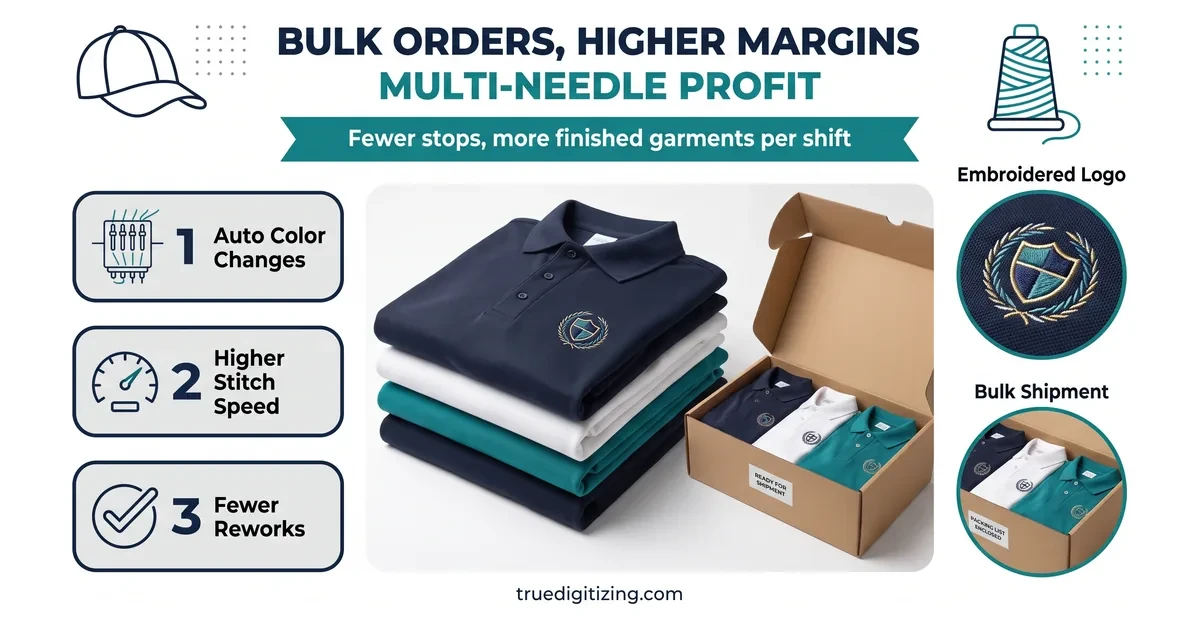
Multi-needle machines improve profitability through fewer stopped machines, not just faster stitching.
Automatic color changes remove the labor hours you'd otherwise spend rethreading between colors. Higher SPM ratings clear more garments per shift. Bigger embroidery fields let you accept jacket-back and oversized-logo orders you'd have to turn down on a single-needle setup. And consistent tension control means fewer reworks — every re-stitched piece is thread, fabric, and time you don't get paid for.
Don't let a bad digitized file slow down your new machine
True Digitizing delivers stitch-ready files within 24 hours — trusted by 5,000+ USA embroiderers. Send your logo and we'll format it for your exact needle count and hoop size.
Start My Order at True Digitizing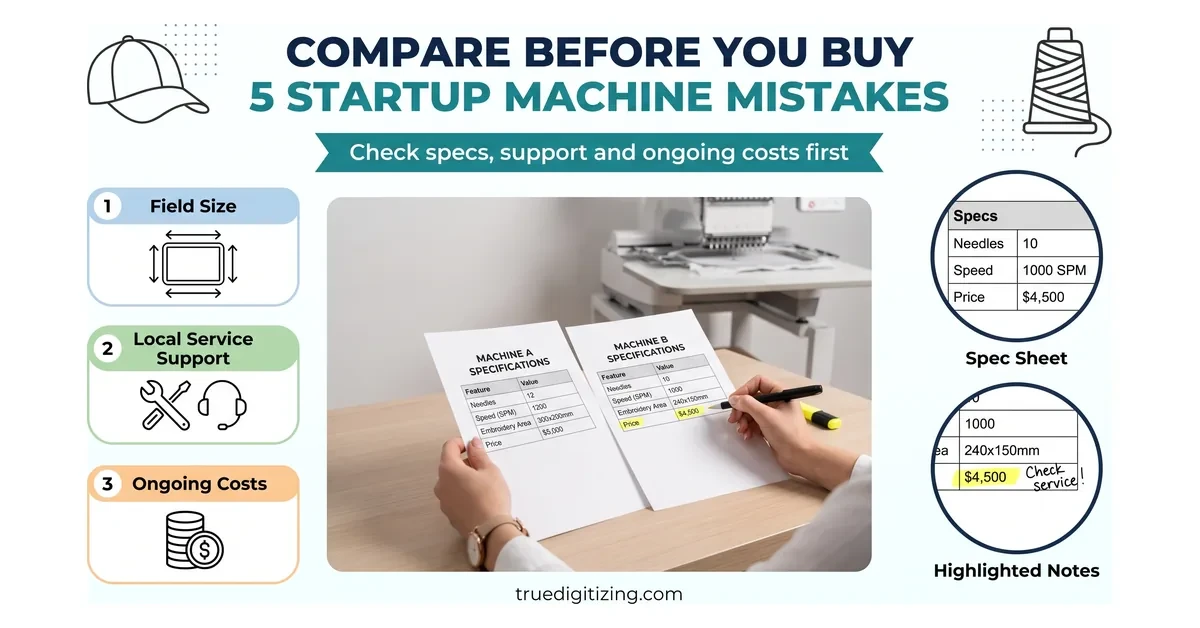
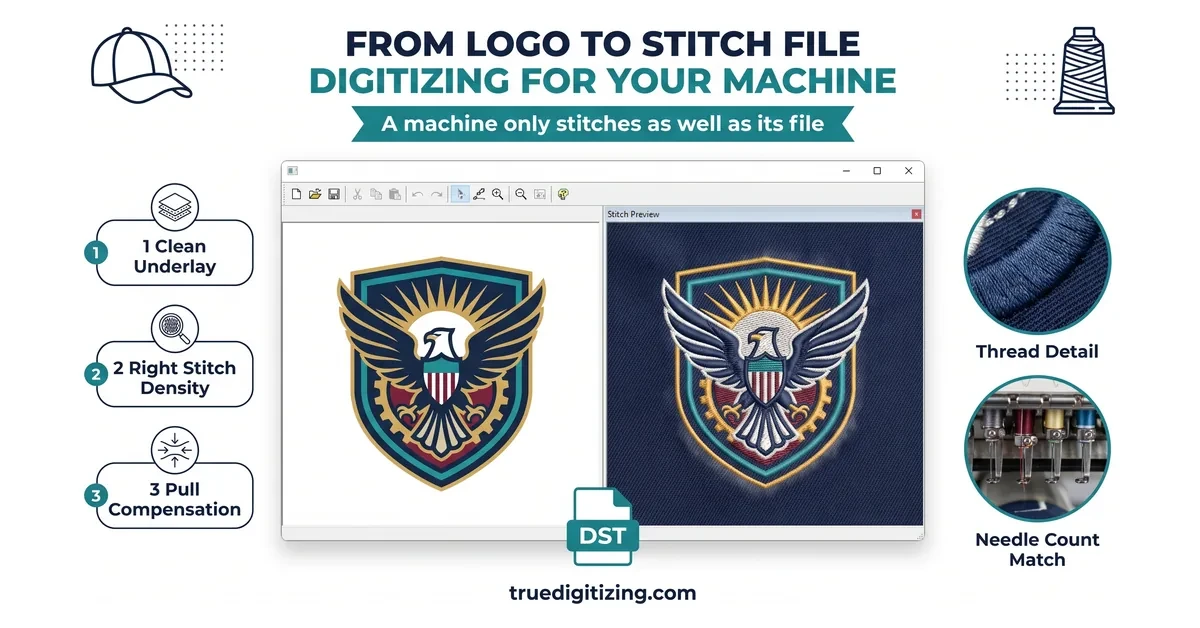
A multi-needle machine only stitches as well as the file you feed it. Even the best hardware on this list produces puckered logos or skipped stitches if the underlying digitized file has bad underlay or the wrong stitch density for your fabric.
True Digitizing's custom embroidery digitizing service delivers stitch-ready files formatted for your specific needle count and machine, and our logo designing service helps if you're starting a brand from scratch and need vector artwork before it's ever digitized. For a wider look at machine options beyond multi-needle models, see best commercial embroidery machines.
Your first multi-needle machine depends on order volume, budget, and how much room you have to grow into it. For most startups just moving past a single-needle setup, the Ricoma EM-1010-10s (from $5,079) or Brother PR680W (around $12,999) cover the majority of early orders without overbuying. If you're already fielding steady bulk contracts, look at the SWF MAS-12, Tajima TMBP2-SC, or Melco EMT16X instead.
Whatever machine you choose, it only performs as well as the files running through it. If you have bulk embroidery orders but aren't ready to invest in a multi-needle machine yet, True Digitizing digitizes your designs, manages bulk order timelines, and delivers stitch-ready files that run cleanly on any machine you eventually buy.
True Digitizing has helped 5,000+ USA embroiderers get professional stitch files since 2013. Send us your logo and we'll format it for your exact needle count, hoop size, and fabric type.
Get My Design Digitized by True Digitizing →Fast turnaround · truedigitizing.com · 100% satisfaction guaranteed
TrueDigitizing's team of embroidery digitizers and file conversion experts — delivering practical guides for home hobbyists and commercial shops alike. Our specialists cover the full range of embroidery production: custom digitizing for machine embroidery, vector art conversion, and physical embroidered patch manufacturing — with a 6-hour turnaround on digital files and worldwide patch delivery in 5 business days. Every article we publish comes from the same people handling real production orders daily. When we write about stitch density, underlay settings, or file formats, it is because we work with these variables across hundreds of client files every week — not because we researched them from the outside.
Categories
Embroidery Digitizing Services: Which Type Do You Need?
17-08-2026
How to Remove Embroidery From Any Fabric — Step-by-Step Guide 2026
15-07-2026
Is SVG a Vector File? Yes — SVG vs EPS, PNG, PDF Vector Formats you need to know
08-07-2026
Embroidery Trends 2026: What's Hot in Machine & Hand Embroidery | TrueDigitizing
26-06-2026
Top Best Embroidery Digitizing Software in 2026
06-05-2026
DST File: The Complete Guide (What It Is, How to Create, Convert & Use in 2026)
28-02-2026
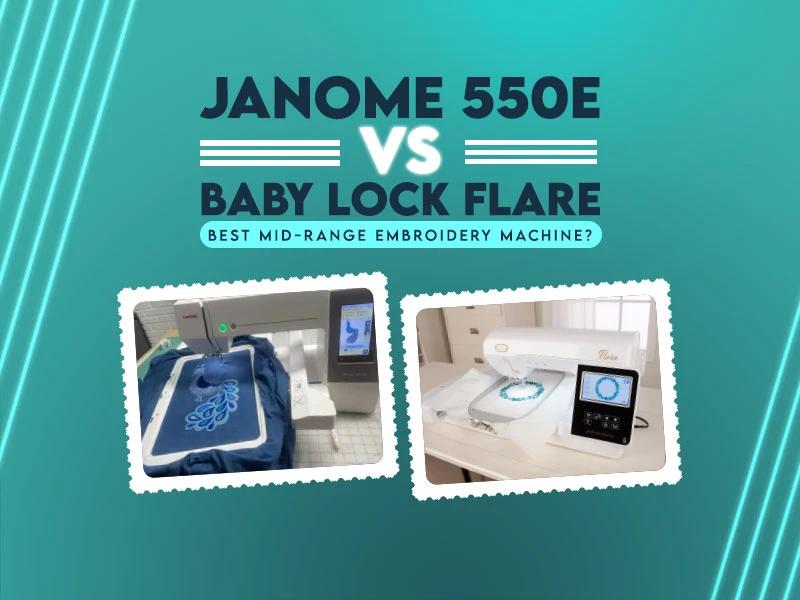
Janome 550E vs Baby Lock Flare | Best Mid-Range Embroidery Machine?
26-02-2026
Choose the Right Fabric for Embroidery
20-02-2026
Advanced Techniques in Embroidery Digitizing
19-02-2026

Most Common Types of Threads to Use in Machine Embroidery
12-02-2026
Asked Questions