







At True Digitizing, we transform your creative spark into flawless, high-quality embroidery digitized designs that bring your vision to life.
Our Blogs
We Accept

Copyright 2025 Truedigitizing






At True Digitizing, we transform your creative spark into flawless, high-quality embroidery digitized designs that bring your vision to life.
We Accept
Copyright 2025 Truedigitizing
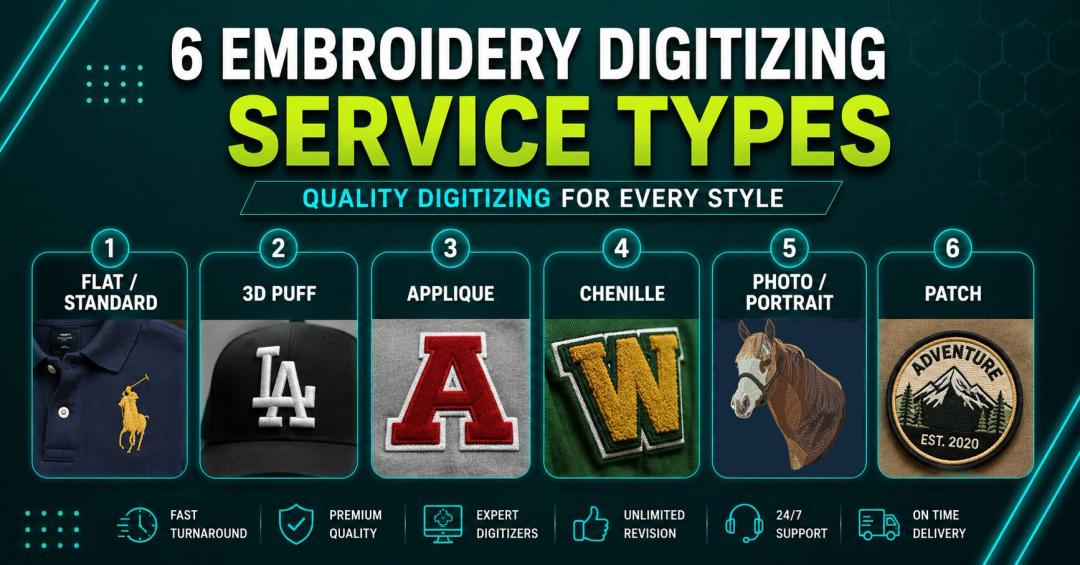
Embroidery digitizing services are not one product. There are six distinct types — flat, 3D puff, applique, chenille, photo and patch digitizing — and each one uses a different stitch strategy, a different underlay and a different price structure. The right choice depends on three things: what your artwork looks like, what garment it is going on, and how many pieces you are running. Match those three first, and the file you get back will stitch clean on the first sew-out.
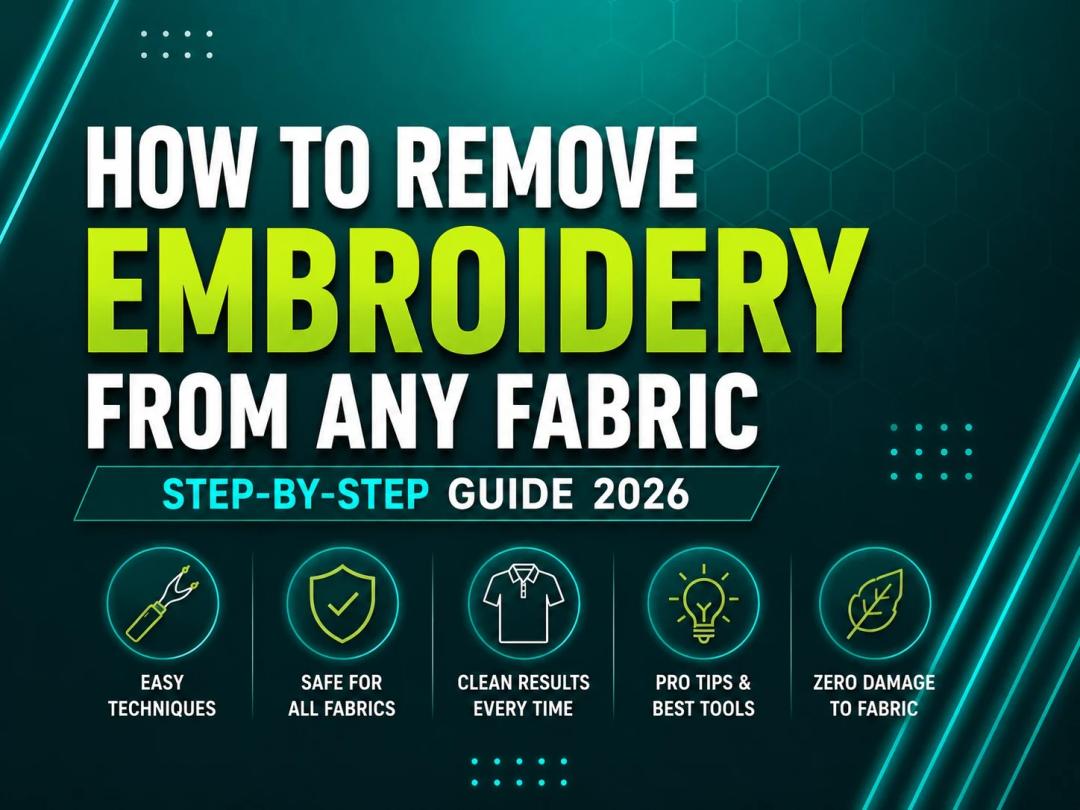
To remove embroidery from any fabric, turn the garment inside out, slide a seam ripper under the bobbin threads on the back, and cut them in small sections. Then flip the garment right-side out and pull the top threads out with tweezers. Finish by removing the stabilizer backing — tear-away peels off, cut-away must be trimmed, and water-soluble dissolves with water. Most fabrics come out clean with no lasting damage when you work slowly and carefully.
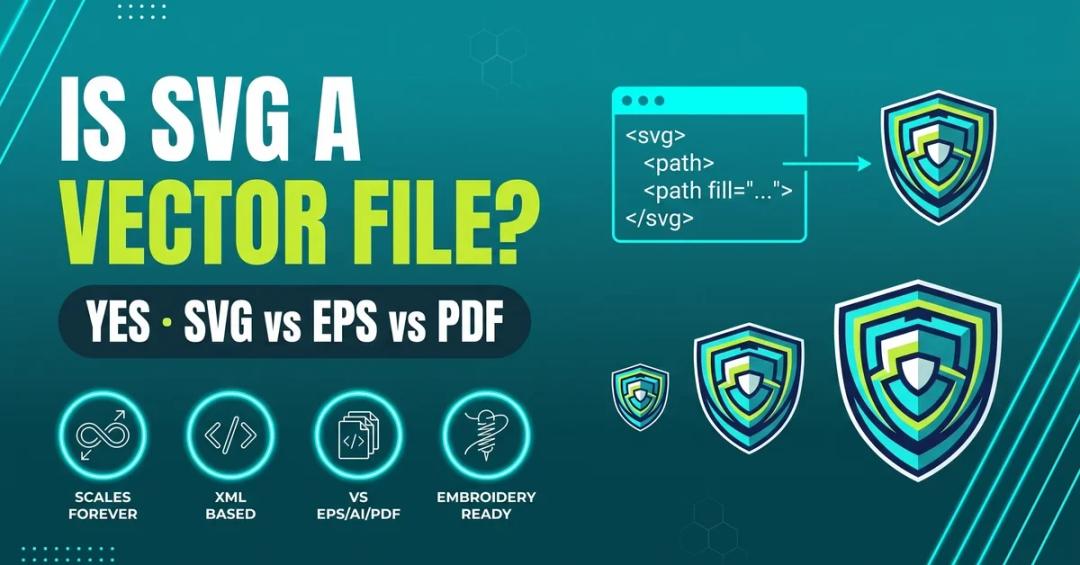
Yes, SVG (Scalable Vector Graphics) is a true vector file format. It stores images as mathematical path equations instead of a pixel grid, so an SVG logo scales from a favicon to a billboard without losing sharpness. Not every file with a .svg extension is purely vector — one can have a raster image embedded inside it — but a clean SVG is one of the best source files for web graphics, logo design, and embroidery digitizing.
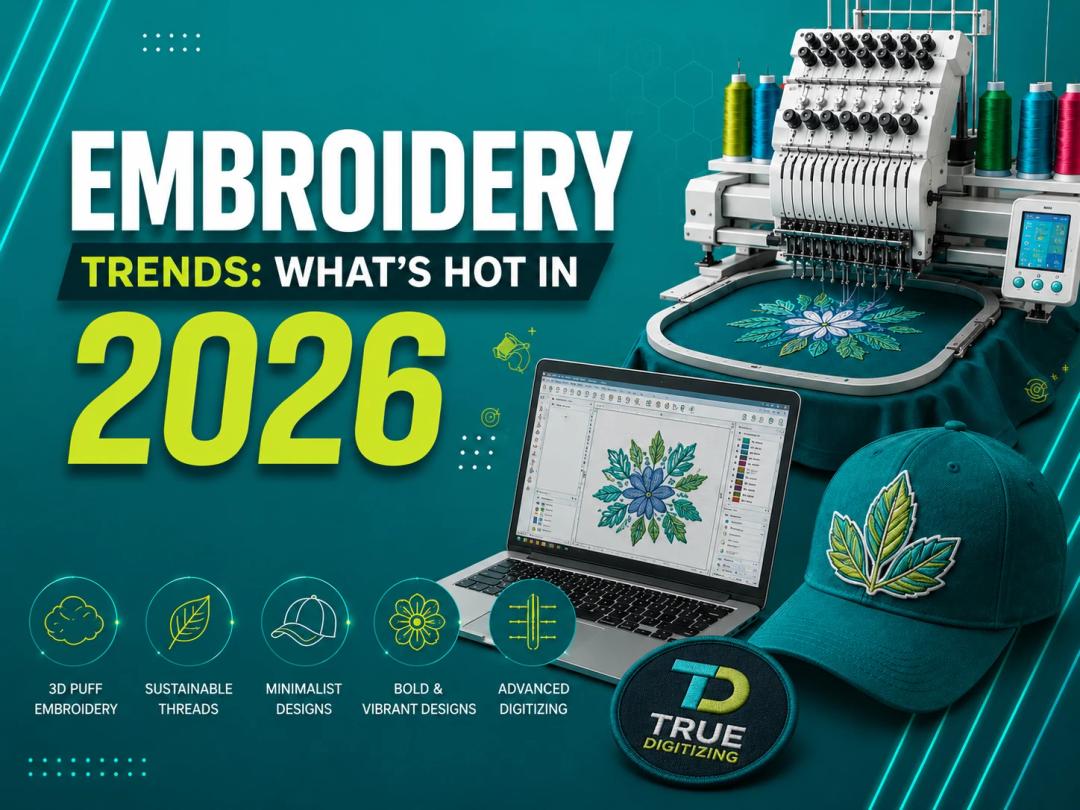
The biggest embroidery trends in 2026 are minimalist line art, oversized florals, 3D puff on structured hats, retro Y2K typography, metallic & iridescent thread, tone-on-tone micro embroidery, and appliqué mixed-media designs. Etsy's 2026 trend report calls it the "Soft Stitch Era" — a category-wide shift toward handcrafted texture and intentional, placement-driven design.
If you've ever tried to turn artwork into a clean stitch file and ended up with a tangled mess, you know the pain. The right embroidery digitizing software makes all the difference & the wrong one? It'll waste your time, fabric & efforts.
By the way, the embroidery industry is worth over $4 billion globally right now & more people than ever are jumping in, hobbyists, small business owners, and large commercial businesses alike. So deciding the right software for your needs isn't just a wise decision, it's basically essential.
In this guide, we're going through the top best embroidery digitizing software in 2026, what they offer, what they cost, who they're good for and whether they're worth your money. If you're new or running a large business, there's something on this list for you.
Let's get into it.
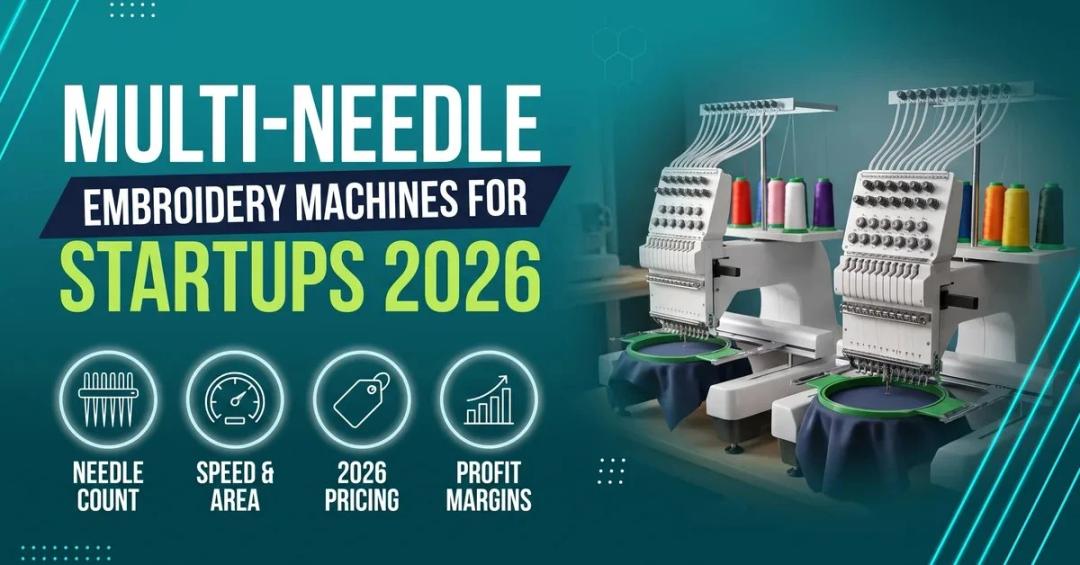
For most embroidery startups, a 6- to 10-needle machine hits the best balance of cost and output: the Brother PR680W (6 needles, priced around $12,999 through Brother dealers) or the Ricoma EM-1010-10s (10 needles, priced from $5,079) both cut thread-change downtime on multi-color logos. Needle count matters less than embroidery area and stitch speed once you go past 10 needles.
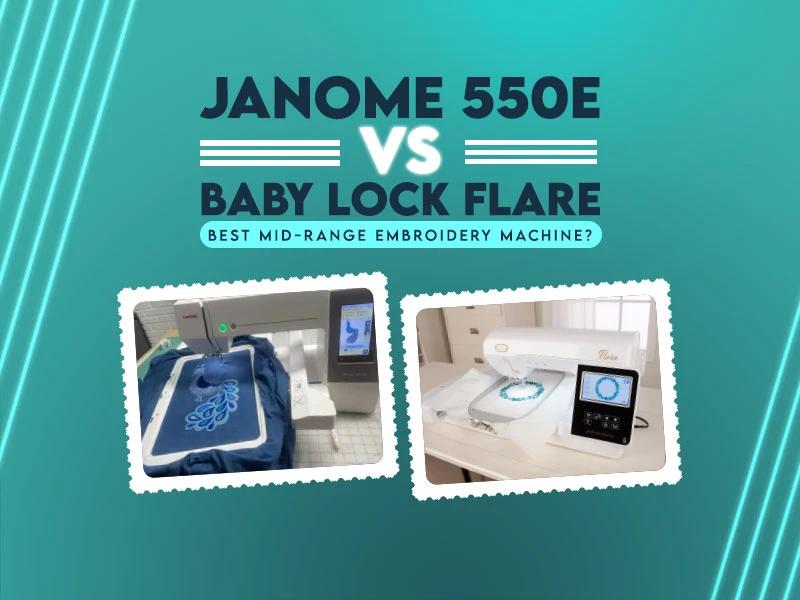
By the way buying embroidery machines is not an easy task. So many machines in the market, some embroidery machines are so expensive, sometimes users get confused about which machine is good or which machine they should buy. Embroiderers who fall into the mid-range category usually prefer Janome 550E & Baby Lock Flare. One of the reasons is that both machines come from trusted brands. Both machines are based on embroidery also, both embroidery machines have advanced features.
So which one makes more sense for you?
If you want to know about embroidery field size, design control, built-in features & long-term value, this valuable detailed comparison will help you understand everything. So let’s break it down everything step by step.
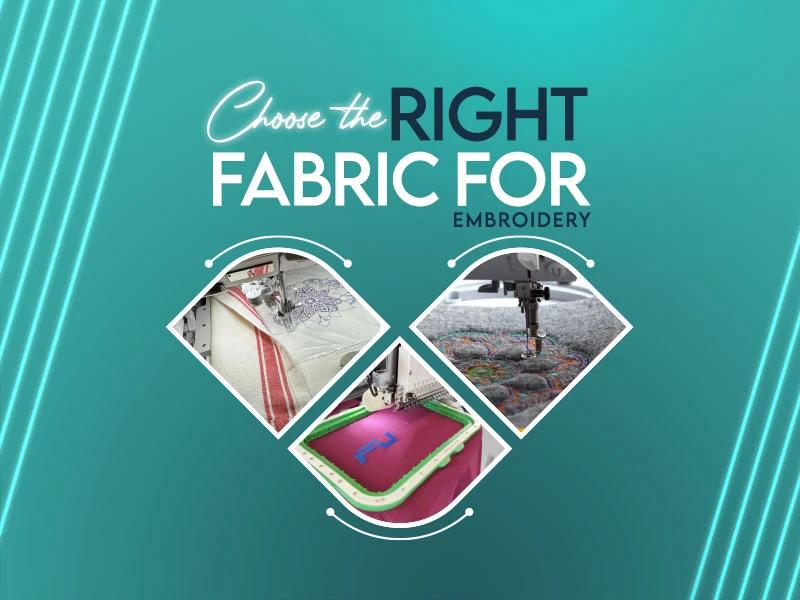
If your embroidery designs look clean on screen but messy on fabric, the problem usually starts with the fabric choice. Many people focus only on thread colors and design size. They ignore the base material. Fabric controls how stitches sit, how the design holds shape, and how long the embroidery lasts.
So what happens when you choose the right fabric for embroidery, you get balanced stitches, design looks sharp & clean, no fabric puckering & the result is so satisfying and mindblowing. Similarly, if you choose the wrong fabric you'll face these challenges like fabric puckering, loose stitches, distortion, thread breaks or so many other issues.
Fabric matters in both hand embroidery and machine embroidery. In embroidery digitizing, fabric plays a big role. Different fabrics need different stitch density, underlay, and pull compensation. Hence, understanding fabric helps you avoid problems before they start.
Let’s go step by step and understand which fabrics work best and why.

