







At True Digitizing, we transform your creative spark into flawless, high-quality embroidery digitized designs that bring your vision to life.
Our Blogs
We Accept

Copyright 2025 Truedigitizing






At True Digitizing, we transform your creative spark into flawless, high-quality embroidery digitized designs that bring your vision to life.
We Accept
Copyright 2025 Truedigitizing
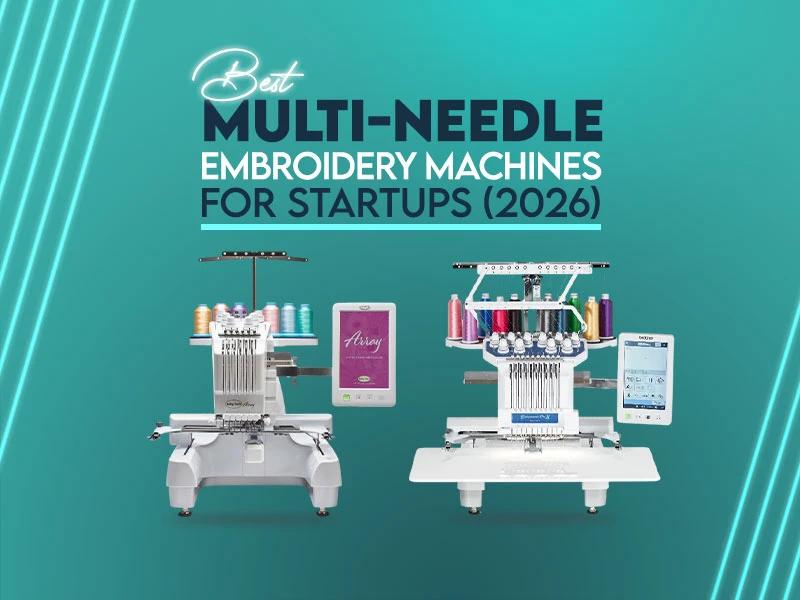
It's so exciting when you start your own business (embroidery business). You get first bulk orders, your first repeat customer, and now your brand name stitched on hats, jackets, shirts, bag and more. But the main question is which machine should you invest in?
If you are unaware and choose the wrong one, you'll face some serious problems like production, poor results & many more. So invest wisely.
In this guide, we will talk about the best multi-needle embroidery machines for startups (2026). These machines are trusted in the embroidery industry and are used by home businesses as well as small commercial shops. Everything explained here is practical, clear, and based on real machine performance, not marketing promises.
Let’s get started.
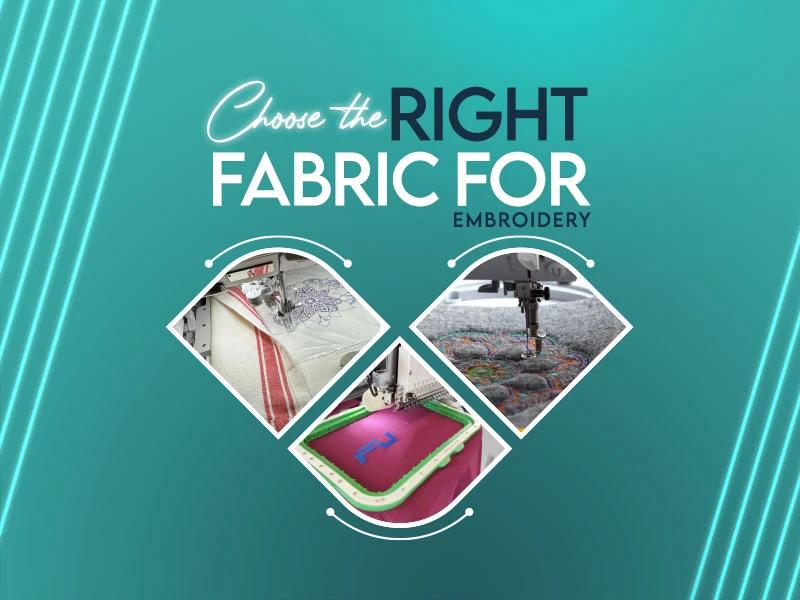
If your embroidery designs look clean on screen but messy on fabric, the problem usually starts with the fabric choice. Many people focus only on thread colors and design size. They ignore the base material. Fabric controls how stitches sit, how the design holds shape, and how long the embroidery lasts.
So what happens when you choose the right fabric for embroidery, you get balanced stitches, design looks sharp & clean, no fabric puckering & the result is so satisfying and mindblowing. Similarly, if you choose the wrong fabric you'll face these challenges like fabric puckering, loose stitches, distortion, thread breaks or so many other issues.
Fabric matters in both hand embroidery and machine embroidery. In embroidery digitizing, fabric plays a big role. Different fabrics need different stitch density, underlay, and pull compensation. Hence, understanding fabric helps you avoid problems before they start.
Let’s go step by step and understand which fabrics work best and why.
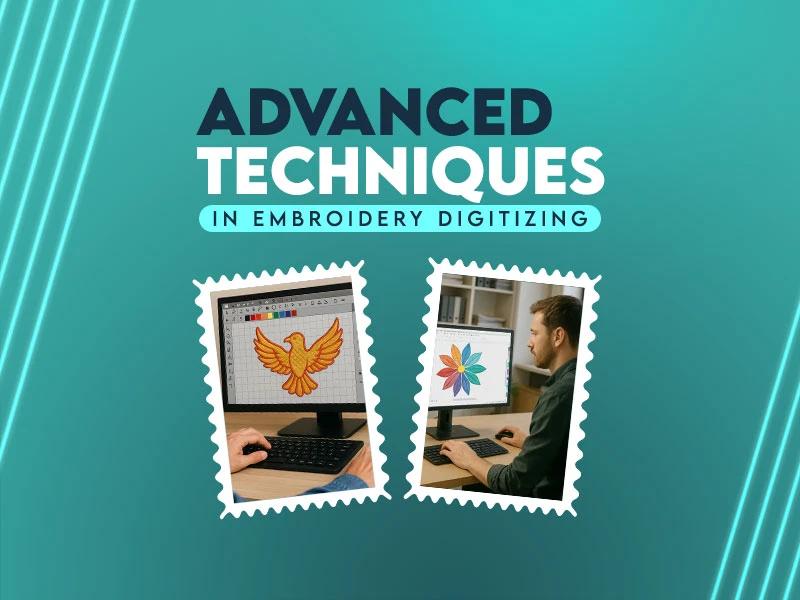
Embroidery digitizing goes beyond converting artwork into stitches. You control every stitch so the final design will look clean, perfect & professional. Mostly prospective embroiderers focus on basic fills and satin stitches but when you move toward advanced techniques, you won't have to figure out advanced techniques like shading, gradients, color blending, stitching nature and so on.
Advanced digitizing techniques help you create complicated designs. These techniques reduce thread breaks, prevent puckering & of course improve embroidery quality.
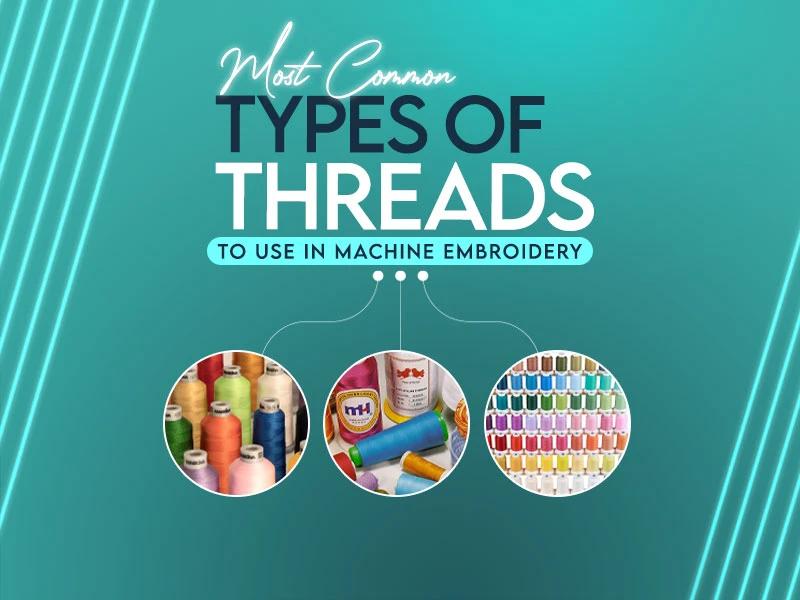
A perfect embroidery design starts with the right thread, this is the most important step. Usually people set tension, speed & overall digitizing settings, but they ignore thread choice. Thread gives you shine, strength, texture, and perfect stitching. Everything gets messed up when you pick the wrong thread, it makes a design look rough, uneven or messy.
Embroidery game depends on understanding the most common types of threads to use in machine embroidery. Each thread behaves differently on fabric. Some create shine. Some add strength. Some give a soft and natural finish.
You'll see 7 common embroidery thread types in this guide, understand their best uses & some key points you must know before stitching.
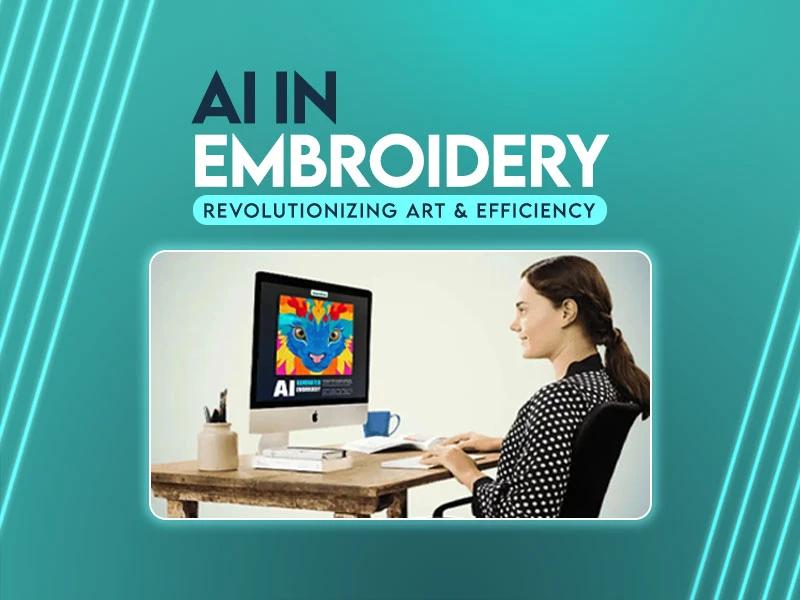
Embroidery is always mix art and skill. For years, digitizers spent hours turning artwork into stitch files, fixing paths, and testing results on fabric but today, everything has been changed. Now Artificial Intelligence (AI) supports embroidery digitizing in every possible way. It never replaces creativity instead it helps people work smarter & faster.
Artificial intelligence (AI) changed the entire process of embroidery digitizing. It minimizes manual effort, improves stitch quality & of course saves time. As long as embroidery keeps growing in fashion, branding, and merchandise, AI will stay part of this journey.
Let’s explore how AI reshapes embroidery digitizing & why it matters the most day by day.
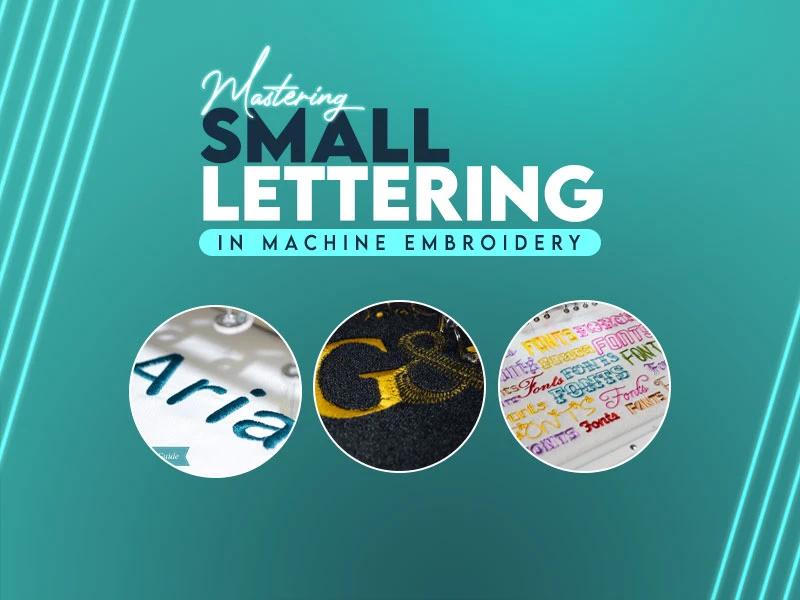
Small lettering looks simple until you stitch it. One tiny word can decide whether a design looks clean or messy. Letters that are too close blur together. Thin strokes disappear. Edges turn rough. This is why many embroiderers avoid small text or accept poor results.
The good news is that small lettering can stitch clean and sharp if it is planned the right way. It is not about luck. It is about setup, digitizing, and testing. Once you understand what really affects tiny letters, your results improve fast.
This guide explains everything so you will be proficient at doing small letter embroidery designs.
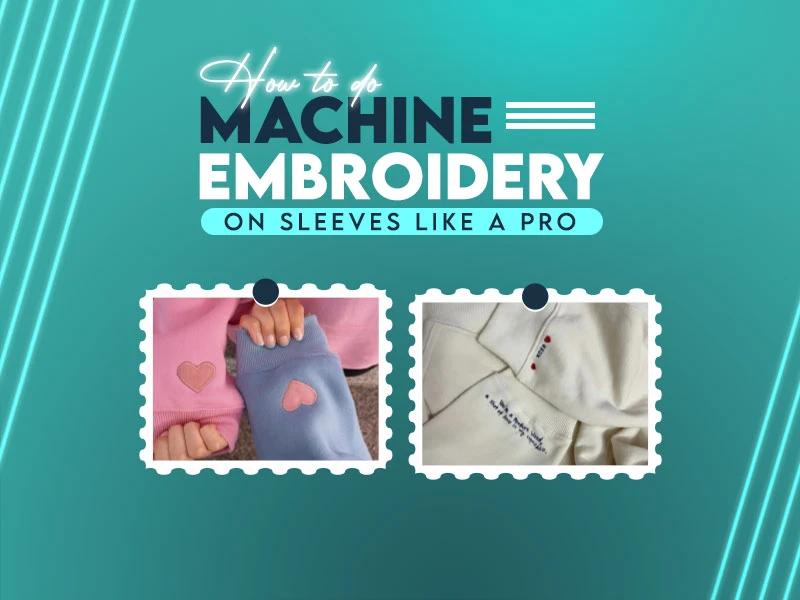
Sleeve embroidery is a little bit different and difficult. You hoop the garment, start the machine and then problems start, because sleeves area is so small and compact, for this raeson sleeves move, curves, stitches pull, hoop alignment out and other stitching issues. Sometimes the fabric puckers so badly that the whole piece looks wasted.
If you face these issues, you aren't alone. Sleeve embroidery needs a different approach. With the right setup, right stabilizer, proper placement, and smart stitching methods, you can embroider sleeves cleanly and confidently.
This blog post explains how to do machine embroidery on sleeves like a pro step by step, using proven techniques that definitely work on garments.
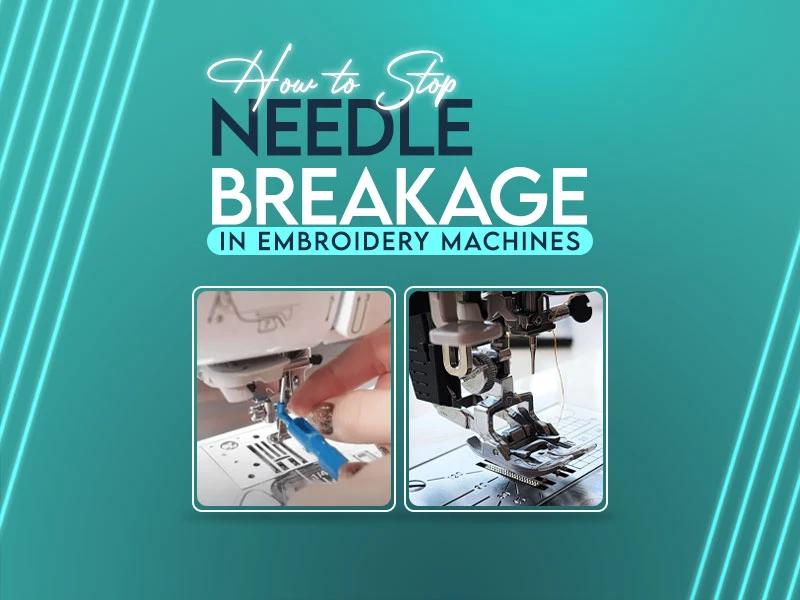
You give your embroidery machine a clean design with fresh fabric. The first few stitches look perfect. Then suddenly snap and the needle breaks. This is a sad moment because needle breakage wastes time, damages fabric, and disturbs your workflow. 70% embroiderers face this problem, even after years of experience. Needle breakage happens for a reason. When you understand the causes and fix them step by step, your machine runs smoothly and your designs stitch cleanly.
This guide explains everything so you can stop needle breakage before it starts
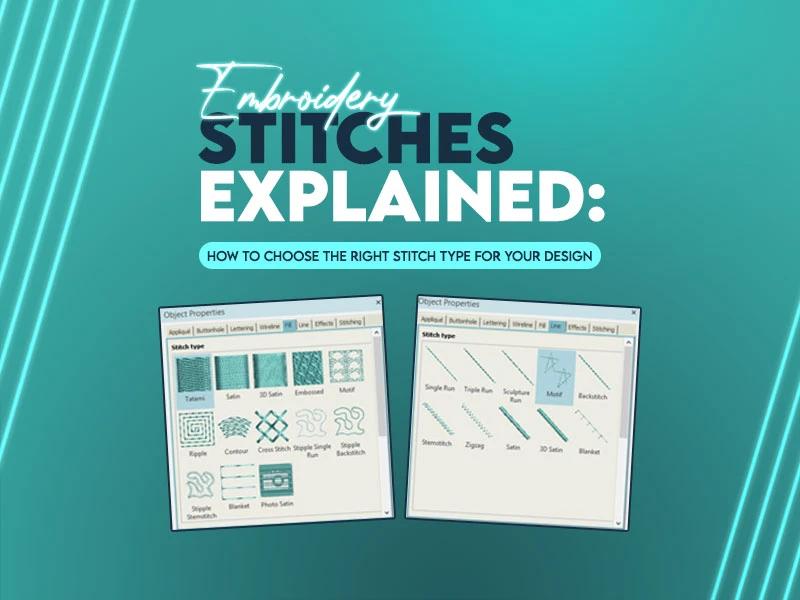
Every clean line, smooth fill, and sharp detail each and everything depends on one important thing and that is stitch type. Mostly beginners & even experienced embroiderers face difficulties here. You pick a stitch because you thought it would look nice, not because it suits your design. This mistake usually gives you loose threads, uneven texture, or designs that lose their stitching after washing.

