




At True Digitizing, we transform your creative spark into flawless, high-quality embroidery digitized designs that bring your vision to life.
Our Blogs
We Accept

Copyright 2025 Truedigitizing






At True Digitizing, we transform your creative spark into flawless, high-quality embroidery digitized designs that bring your vision to life.
We Accept
Copyright 2025 Truedigitizing
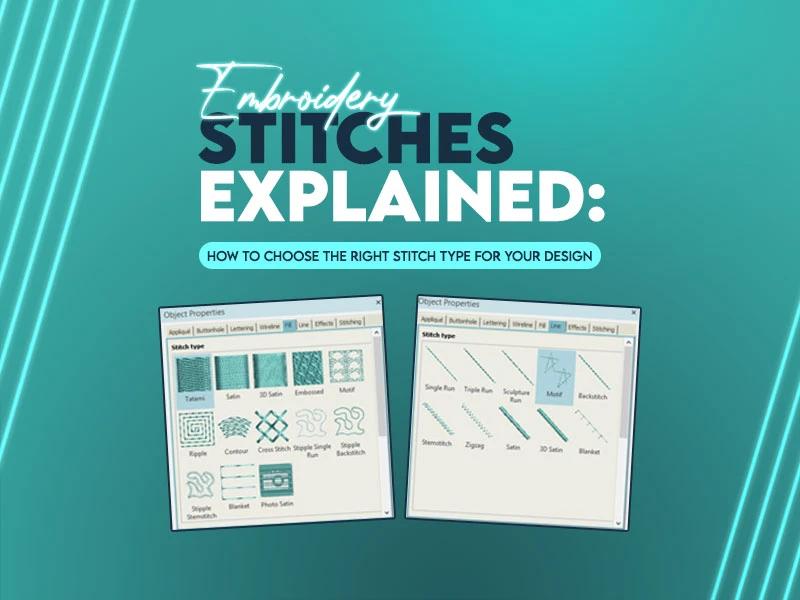


Every clean line, smooth fill, and sharp detail each and everything depends on one important thing and that is stitch type. Mostly beginners & even experienced embroiderers face difficulties here. You pick a stitch because you thought it would look nice, not because it suits your design. This mistake usually gives you loose threads, uneven texture, or designs that lose their stitching after washing.
Basic stitches form the base of every embroidery design as these stitches create outlines, light details and keep patterns simple. They work best when a design needs clarity without heavy thread coverage.
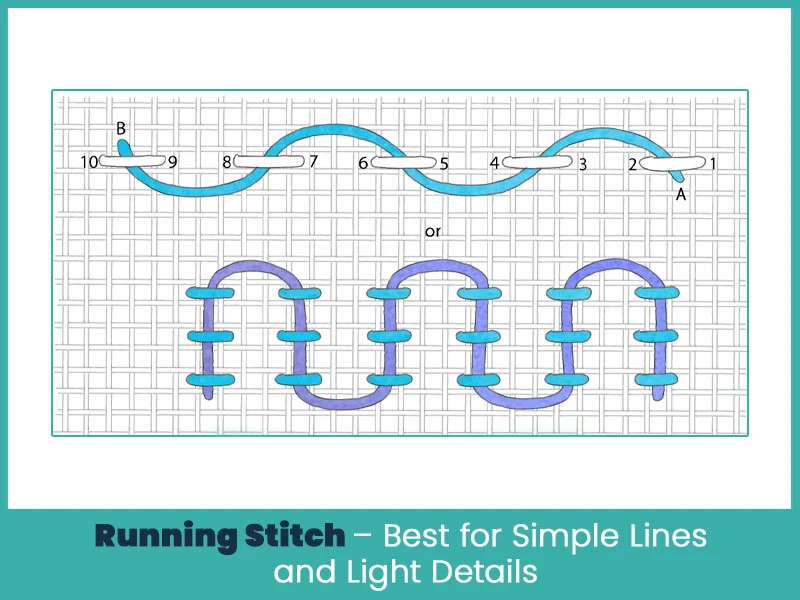
Best used for:
- Outline designs.
- Minimalist patterns.
- Text outlines.
- Sketch-style embroidery.
- Light decorative borders.
How it works:
Running stitch creates a series of small & even stitches that flow smoothly. It works well when a design needs movement and softness instead of heavy structure. Digitizers use it for simple logos, fine outlines, and hand-drawn style artwork. In embroidery digitizing, running stitch keeps stitch count low and prevents fabric distortion on light materials.
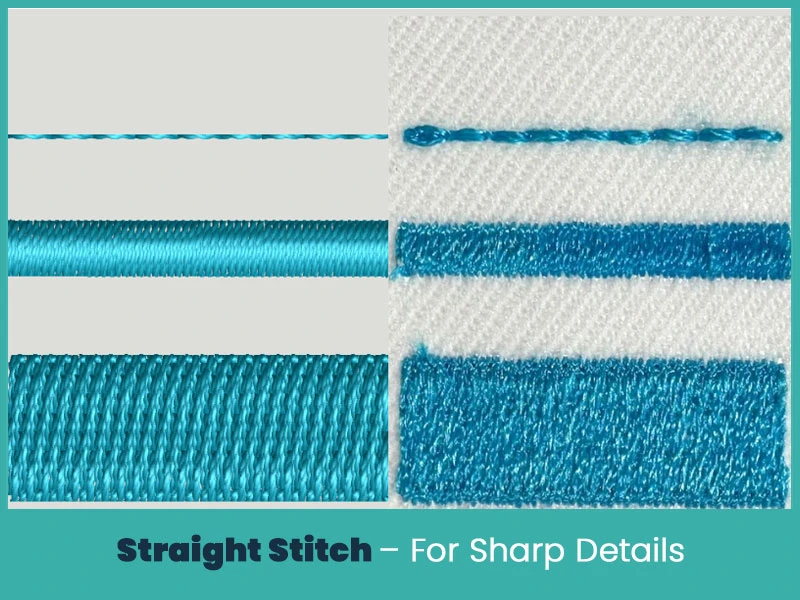
Best used for:
- Small motifs.
- Starbursts.
- Fine detailing.
- Geometric shapes.
How it works:
Straight stitch places single stitches exactly where needed. It works best for sharp angles and controlled details. This stitch adds precision without filling space, which helps small designs stay clean and readable. Digitizers often rely on straight stitch for detail work that other stitches can’t handle neatly.
Surface coverage stitches fill areas and create bold visual impact. These stitches work best when a design needs strong color, shape definition, and durability.
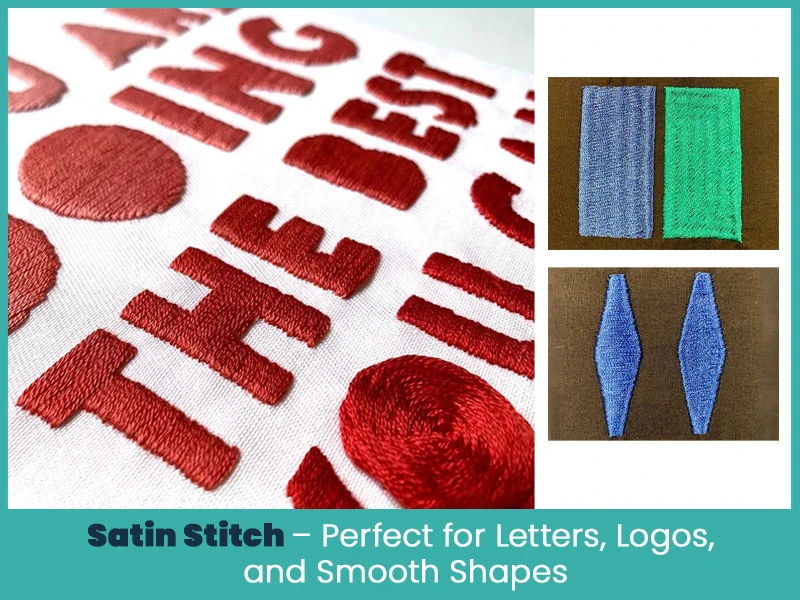
Best used for:
- Monograms.
- Small to medium lettering.
- Floral petals.
- Logo elements.
- Smooth shapes.
How it works:
Satin stitches are based on the threads being close together in a smooth direction. This stitch creates a clean, shiny surface that looks professional. Digitizers choose satin stitch for text because it keeps letters sharp and readable. In embroidery digitizing, correct stitch angle and density matter here, as poor settings can cause thread breaks or uneven edges.
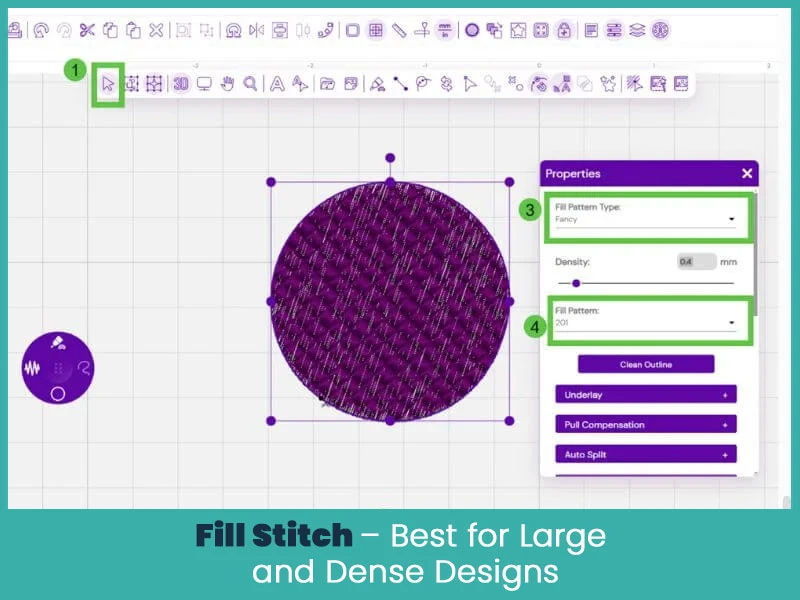
Best used for:
- Large logo areas.
- Background fills.
- Bold patterns.
- Commercial embroidery.
- High-coverage designs.
How it works:
Fill stitch covers wide areas using structured stitch patterns. It supports durability and holds shape well, even after frequent washes. This stitch is for jackets, uniforms, caps, and workwear. In machine embroidery, fill stitch balances coverage, which helps prevent puckering on larger designs.
Decorative stitches add depth. These stitches work best when a design needs texture instead of flat coverage.
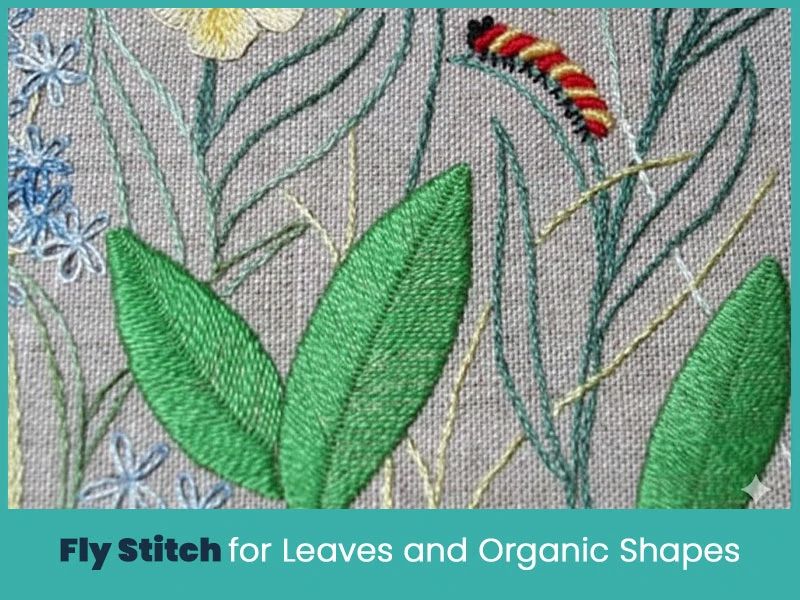
Best used for:
- Leaves.
- Feathers.
- Wings.
- Decorative borders.
- Nature-inspired designs.
How it works:
Fly stitch forms open, angled shapes that follow natural curves. This stitch works well for organic designs because it doesn’t feel stiff. Digitizers often use it for botanical patterns where flow matters more than density.
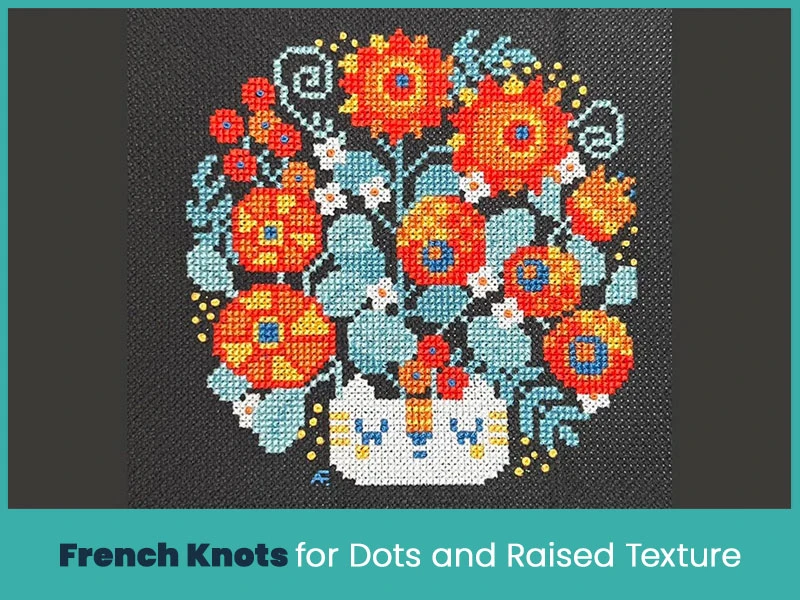
Best used for:
- Flower centers.
- Polka dots.
- Character designs.
- Textured designs.
- Decorative highlights
How it works:
French knots create small, raised knots that stand out visually. These knots add texture & depth on small area. When used correctly, they bring life to flat designs. Digitizers apply them carefully, as placement accuracy matters.
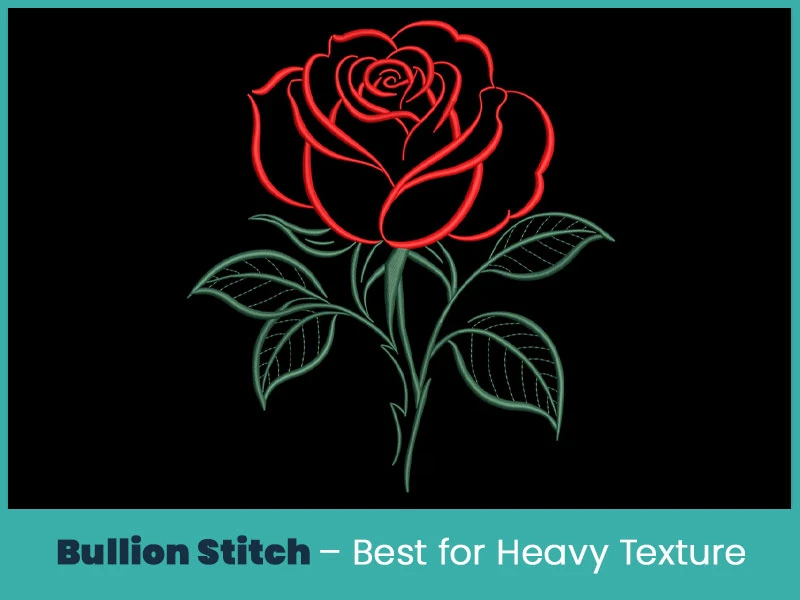
Best used for:
- Floral embroidery.
- Rose petals.
- Decorative designs.
- Raised embellishments.
- Traditional embroidery designs.
How it works:
Bullion stitch creates thick, coiled stitches that add strong texture. This stitch works best in decorative designs where detail matters more than speed.
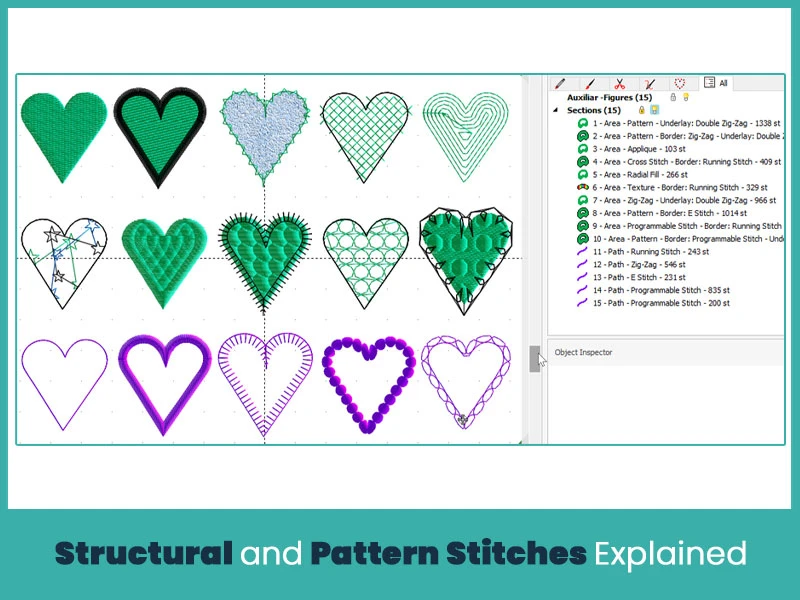
Structural stitches help join fabric areas and create decorative strength.
Best used for:
- Borders.
- Edging designs.
- Decorative seams.
- Traditional patterns.
- Fabric joins.
How it works:
Herringbone stitch forms a repeating crossed pattern that looks both decorative and functional. It works well on borders and panels where structure and design meet. This stitch suits classic embroidery styles and adds visual balance.
Choosing the right stitch depends on the design type, not personal preference.
Design size:
Small designs need simple stitches like running or satin stitch. Large designs need fill stitches to hold shape.
Fabric type:
Light fabrics work better with low-density stitches. Thick fabrics support dense stitches without pulling.
Stitch density:
High density adds strength but increases thread use. Low density keeps designs flexible.
Purpose:
Decorative designs focus on appearance. Functional designs focus on durability.
Machine embroidery:
Machine speed, hoop tension, and digitizing settings affect stitch performance. Proper digitizing ensures clean results.
Many embroidery problems start with wrong stitch choices.
- Using satin stitch on large areas causes thread breaks.
- Using dense fill on thin fabric causes puckering.
- Ignoring stitch direction weakens design shape.
- Overloading detail in small designs reduces clarity.
- Correct stitch selection saves time, thread, and rework.
Understanding embroidery stitches helps designs look better and stitch cleaner. When you match the stitch type with the design purpose, embroidery stops feeling complicated. It starts feeling controlled and predictable.
Nick William has been immersed in the world of embroidery digitizing for over 20 years, earning 25 industry awards throughout his career. As a 3rd generation embroidery expert, Nick’s journey started in his family’s workshop, where he learned the art of digitizing before the rise of modern software. He has worked with leading commercial embroidery businesses and has shared his expertise with over 75,000 home and professional embroiderers. As an author at True Digitizing, Nick is passionate about teaching others how to create beautiful, precise designs through easy-to-follow tutorials and expert advice.
Categories
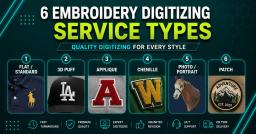
Embroidery Digitizing Services: Which Type Do You Need?
17-08-2026
How to Remove Embroidery From Any Fabric — Step-by-Step Guide 2026
15-07-2026
Is SVG a Vector File? Yes — SVG vs EPS, PNG, PDF Vector Formats you need to know
08-07-2026
Embroidery Trends 2026: What's Hot in Machine & Hand Embroidery | TrueDigitizing
26-06-2026
Top Best Embroidery Digitizing Software in 2026
06-05-2026

Best Multi-Needle Embroidery Machines for Startups (2026)
28-02-2026
DST File: The Complete Guide (What It Is, How to Create, Convert & Use in 2026)
28-02-2026
Janome 550E vs Baby Lock Flare | Best Mid-Range Embroidery Machine?
26-02-2026
Choose the Right Fabric for Embroidery
20-02-2026

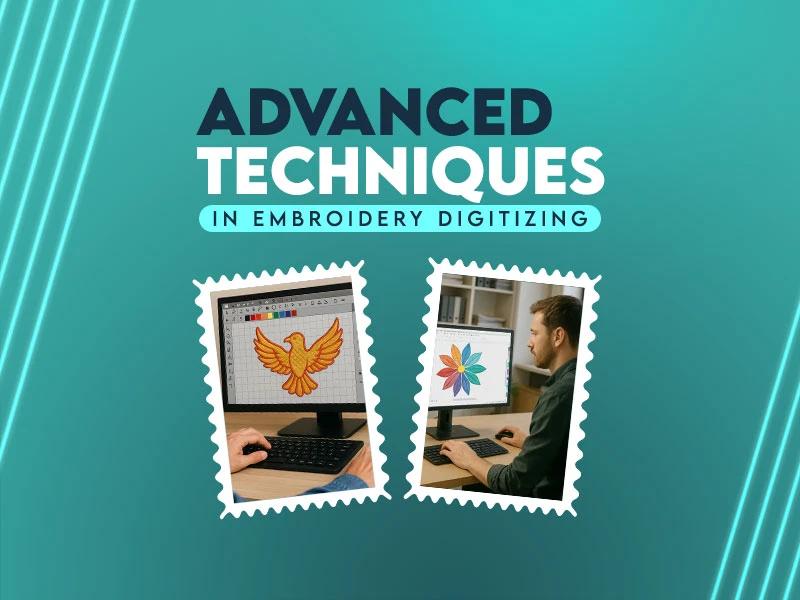
Advanced Techniques in Embroidery Digitizing
19-02-2026
Asked Questions