At True Digitizing, we transform your creative spark into flawless, high-quality embroidery digitized designs that bring your vision to life.
Our Blogs
We Accept

Copyright 2025 Truedigitizing


At True Digitizing, we transform your creative spark into flawless, high-quality embroidery digitized designs that bring your vision to life.
We Accept
Copyright 2025 Truedigitizing
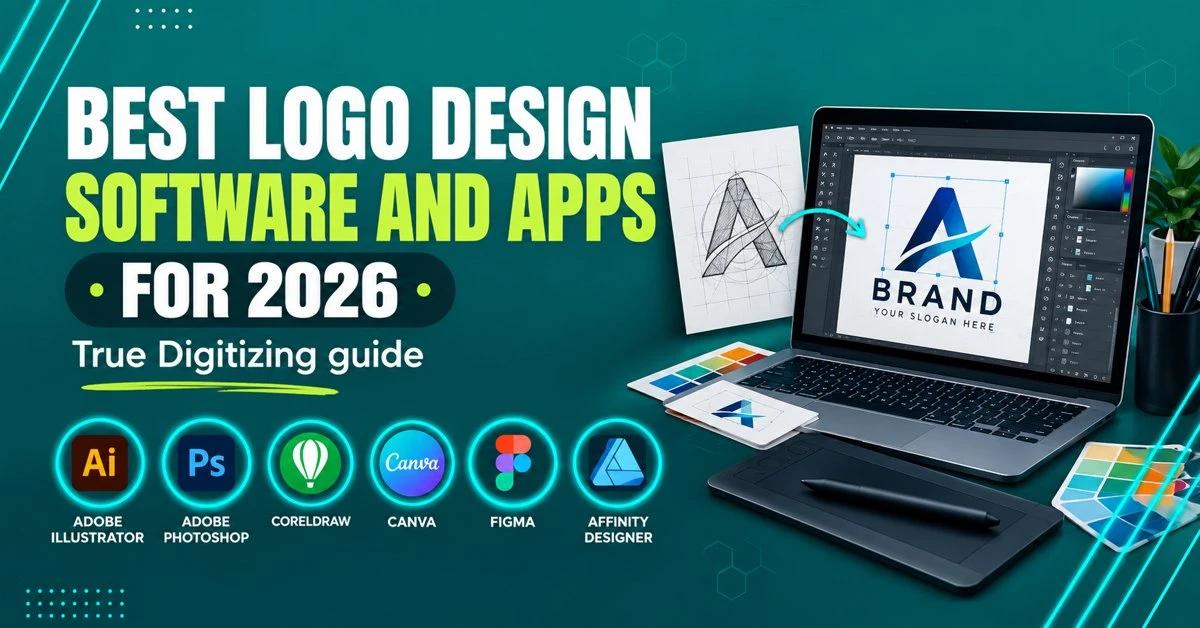


For most small businesses, Canva is the easiest logo maker app to start with, while Adobe Illustrator remains the best logo design software for a professional, fully custom vector logo. If you want a guaranteed professional result without learning software, True Digitizing's custom logo design service delivers a finished logo built by a designer, not a template generator.
A logo is often the first thing a customer notices about a brand, so picking the right tool to design one matters more than most people realize. The best logo design software ranges from free, beginner-friendly apps you can use on your phone to professional vector programs built for trained designers — and the right choice depends entirely on your skill level, budget, and how the finished logo will be used.
In this guide, True Digitizing compares the top logo design software and logo maker apps for 2026, breaks down what each one is actually good for, and explains when it makes more sense to hand the job to a professional designer instead. We'll also cover the mobile logo maker apps that let you design directly from your phone, since that's how a growing share of small business owners start their branding today.
Skip the learning curve — let True Digitizing design your logo
True Digitizing has completed 20,000+ designs for USA businesses over 13+ years. If you'd rather have a professional handle your logo from concept to final file, our team can do it for you at an affordable flat rate.
Get a Free Quote — True DigitizingTrue Digitizing's design team has spent 13+ years turning logos into finished artwork and stitch-ready embroidery files, which means we see the output of these tools from the other side — as the people who have to open, clean up, and convert the files customers send us. For this guide, each tool was judged against four criteria: how clean the exported file is for real-world use (print, embroidery, or web), the learning curve for a non-designer, the honesty of the free tier (does "free" actually let you download a usable file?), and whether the software is still actively maintained in 2026.
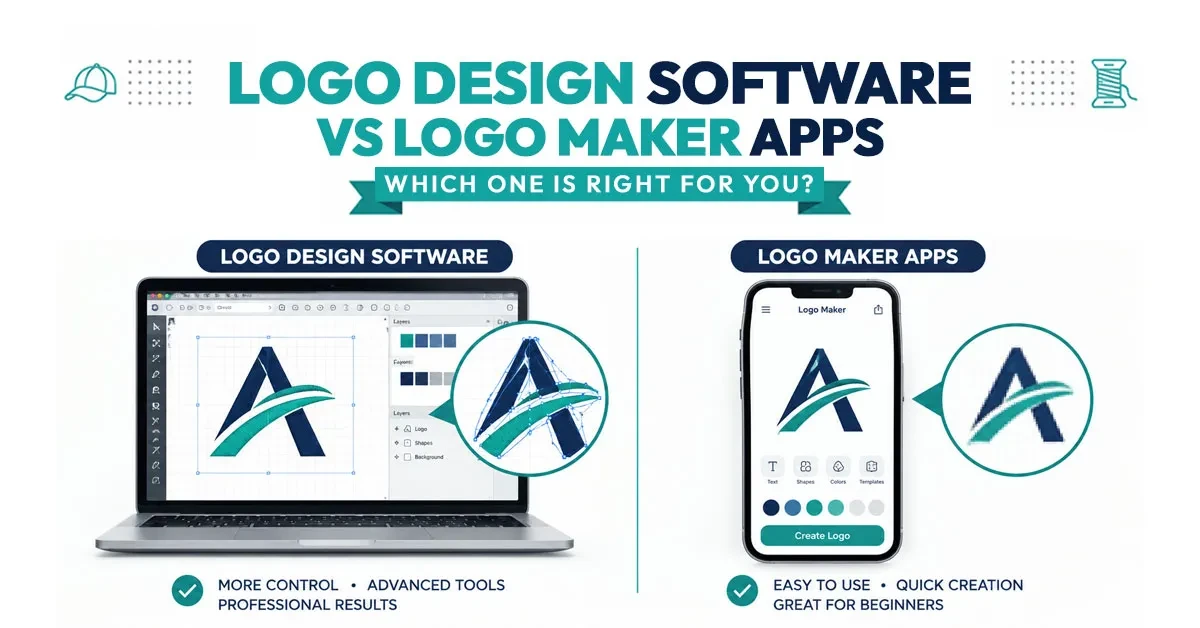
If you want full creative control over every curve, color, and font in your logo, professional vector software is still the industry standard. These tools have a real learning curve, but they give you the cleanest possible file for printing, embroidery digitizing, and large-format use.
Adobe Illustrator remains the industry-standard tool for professional logo design. It's built entirely around vector paths, which is exactly what a logo needs — crisp lines and shapes that scale to any size without distortion. Illustrator is subscription-based, with pricing that varies by plan and region, so check Adobe's official Illustrator page for current rates. Best for: professionals and anyone planning to convert the logo into embroidery or large-format print later.
CorelDRAW is Illustrator's closest direct competitor and has a loyal following among sign shops and apparel decorators, largely because its export options are well suited to production work. It has a gentler learning curve than Illustrator for some users, but it's still built for people who already understand vector design basics.
Affinity Designer is the most affordable way to get near-professional vector tools without a recurring subscription — it's sold as a one-time purchase. It supports both vector and raster work in one app, which makes it a solid middle ground between Illustrator's power and Canva's simplicity.
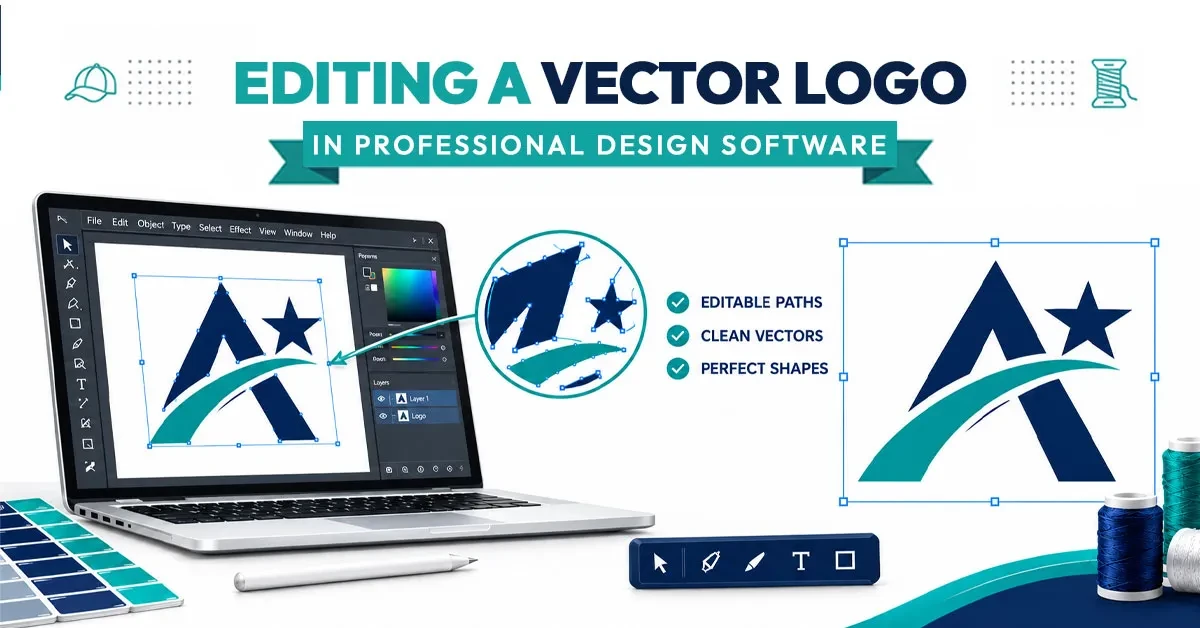
If you're not ready to pay for software yet, these two free, open-source programs give you real vector design tools without a subscription.
Inkscape is a free, open-source vector editor with a feature set that overlaps significantly with Illustrator, including pen and shape tools built for logo work. The interface takes some getting used to, but it's a genuinely capable option for beginners and hobbyists who don't want to pay for their first design tool.
GIMP is primarily a photo editor rather than a vector tool, so it's better suited to logos built from raster images or photo-based branding than to clean vector line work. It's free, actively maintained, and supports plugins that extend what it can do.
Already have a logo? Let's make it embroidery-ready
True Digitizing delivers stitch-ready embroidery files within 24 hours — trusted by 5,000+ USA customers. We can take a logo you designed yourself and convert it into a clean embroidery file for hats, shirts, and uniforms.
Start My Order at True DigitizingNot everyone needs full design software. Logo maker apps use templates and, increasingly, AI to get you a usable logo in minutes rather than hours. These are the ones worth trying in 2026.
Canva is the easiest starting point for most beginners. Its drag-and-drop editor, huge template library, and free tier (with paid Pro features for more customization) make it the most approachable logo maker app on this list, available in-browser and on iOS/Android.
Looka uses AI to generate a set of logo concepts after you answer a few questions about your brand. Designing is free, but you'll need to pay to download the final files — a common pattern with AI logo generators. It's a good fit if you want several starting concepts fast and plan to refine the winner yourself.
Hatchful by Shopify is a completely free logo maker aimed squarely at small business owners who need something quick and simple, with no hidden download fee. The trade-off is fewer advanced customization options than a paid tool.
LogoMaker by GraphicSprings lets you design for free and pay a one-time fee only when you're ready to download high-resolution files — no recurring subscription required.
TurboLogo and Designhill's Logo Maker both follow the same AI-assisted, question-and-answer approach as Looka: you pick style preferences and the tool generates options to customize. Designhill's tool is free to use for generating concepts, with payment required at download; TurboLogo is subscription-based. Both are reasonable options if Looka's specific template style doesn't match what you're picturing for your brand.
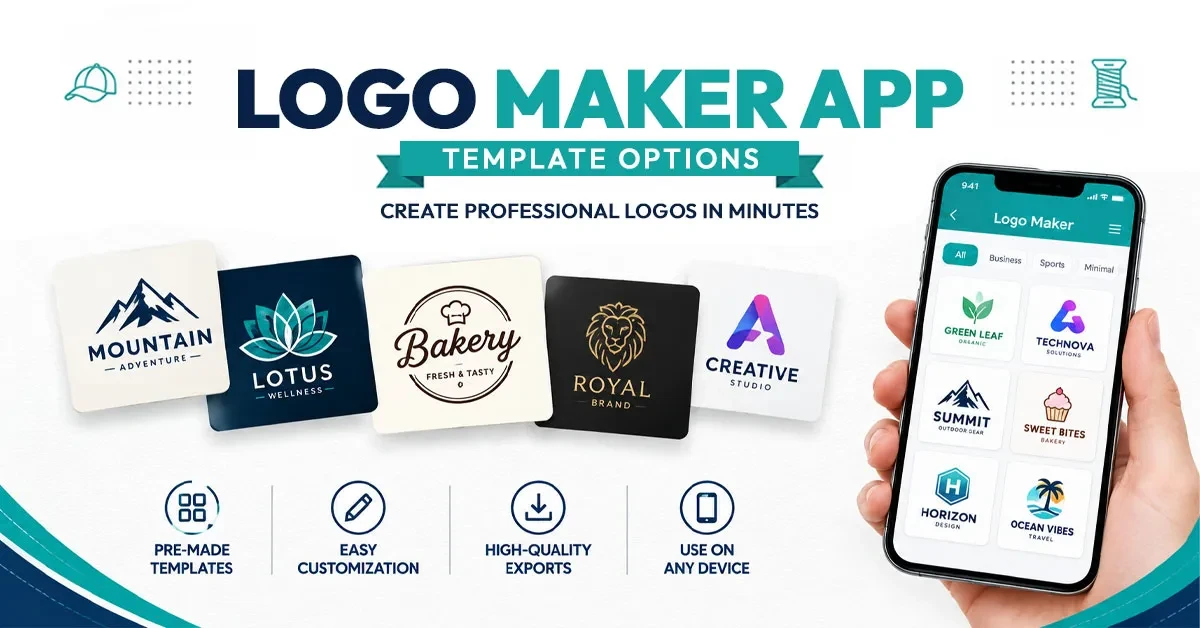
| Tool | Type | Free to Download? | Best For |
|---|---|---|---|
| Adobe Illustrator | Paid subscription | Yes | Professionals |
| CorelDRAW | Paid subscription | Yes | Apparel & sign shops |
| Affinity Designer | One-time purchase | Yes | Budget-conscious pros |
| Inkscape | Free | Yes | Hobbyists & beginners |
| GIMP | Free | Yes | Photo-based logos |
| Canva | Free / Paid Pro | Yes (free tier) | Beginners |
| Looka | Free to design | No — pay to download | Fast AI concepts |
| Hatchful by Shopify | Free | Yes | Quick small-business logos |
| LogoMaker (GraphicSprings) | Free to design | No — one-time fee | Template-based logos |
Pricing and free-tier terms change often — confirm current plans directly on each provider's website before you commit.
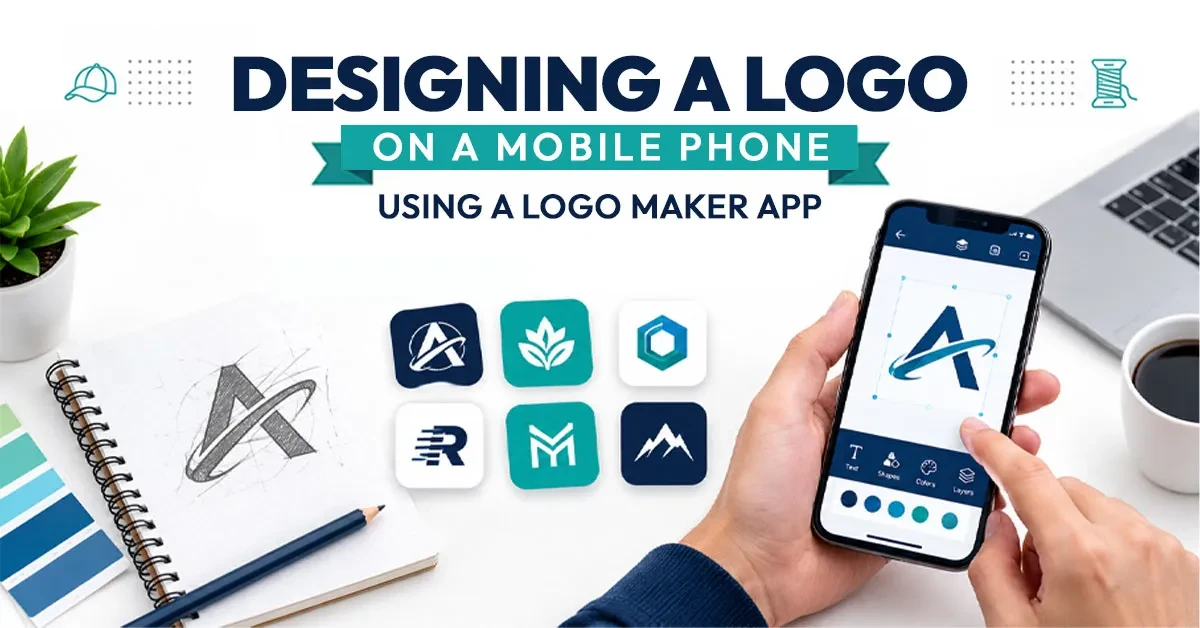
Yes — and a growing number of people search specifically for a logo maker app rather than desktop software, because they want to start (and often finish) the whole project from their phone. Canva's mobile app carries over its full drag-and-drop editor and template library to iOS and Android. Hatchful by Shopify and LogoMaker by GraphicSprings both work fully in a mobile browser as well, so you don't need to install anything to try them.
The trade-off with phone-only design is screen space: fine adjustments to spacing, kerning, and alignment are genuinely harder to see and control on a small screen. For a quick logo you'll use on social media right away, that's a fair trade. For a logo you expect to put on a storefront, a vehicle wrap, or embroidered apparel, it's worth finishing the file on a larger screen — or handing the concept to a professional to clean up and finalize.
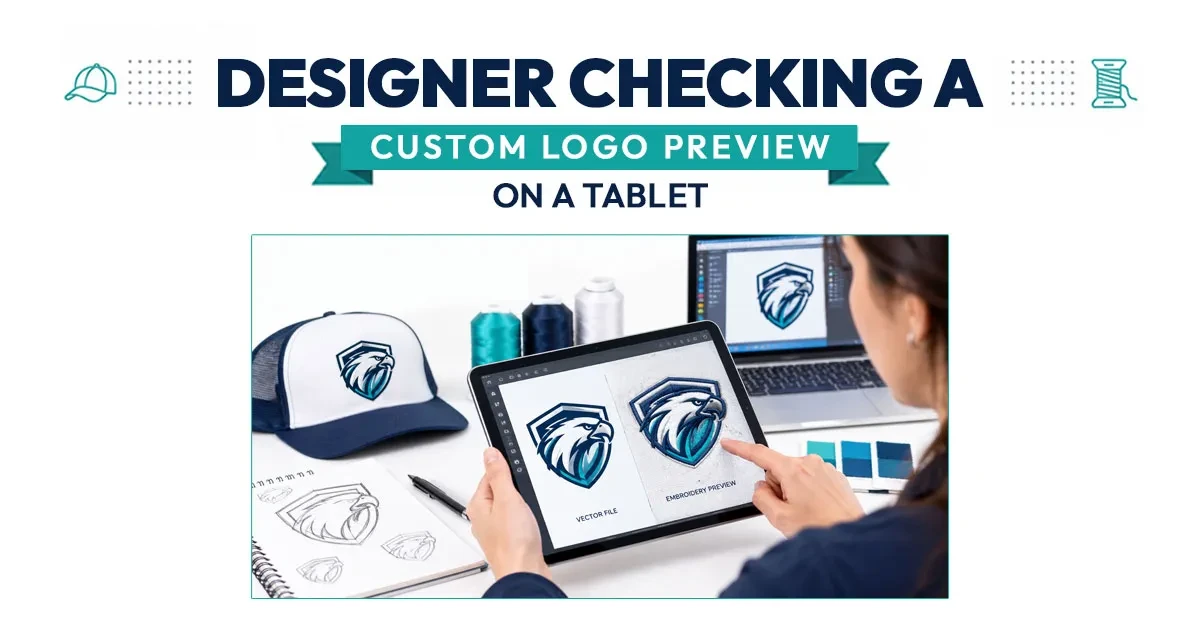
Designing the logo is only step one. If you plan to put it on hats, polos, jackets, or patches, the file you export from Canva, Looka, or even Illustrator still needs to be converted into a stitch file your embroidery machine can actually read — that's a different process from graphic design, and it's where a lot of DIY logos run into trouble. Fine detail, small text, and gradient fills that look great on screen often don't translate cleanly to thread.
This is exactly the gap True Digitizing's vector tracing service and logo designing service are built to close. If you already have a logo — whatever software you used to make it — our team can clean it up, trace it into a true vector file, and prepare it for embroidery, print, or any other end use. If you're starting from scratch, check out our guides on the different types of logos and how to design a business logo before you open any software, and see our tips on making a black logo stand out on any background if you're working with a single-color mark.
A quick way to check if your logo file is embroidery-ready before you send it anywhere: open it at the actual size you plan to stitch it (a 3-inch hat logo, for example), and see if the smallest text or thinnest lines are still clearly legible. If they blur together on screen at that size, they'll almost certainly fill in with thread. That single check catches most of the common problems we see in customer-submitted logos.
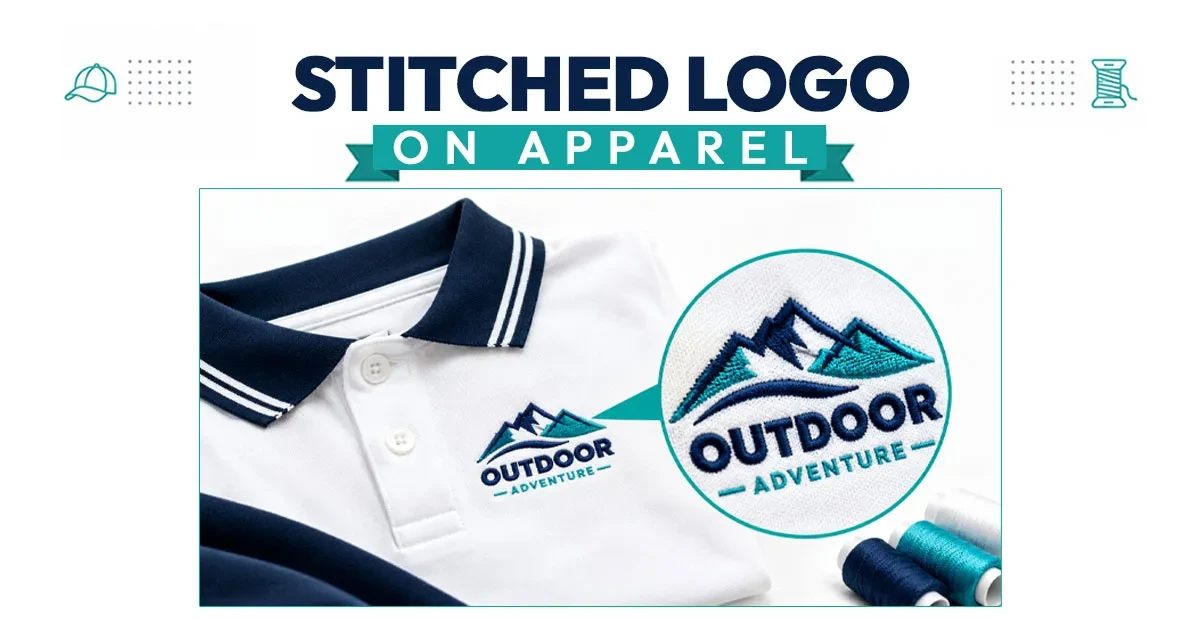
There's no single "best" logo design software — the right pick depends on your budget, your design experience, and what you'll ultimately do with the finished file. Canva and the free logo maker apps are the fastest way to get something usable today; Adobe Illustrator, CorelDRAW, and Affinity Designer give you full control if you're willing to learn them; and if you'd rather skip the learning curve entirely, True Digitizing can design a fully custom logo for your brand and prepare it for however you plan to use it, including embroidery.
True Digitizing has helped 5,000+ USA businesses get professional logos and embroidery-ready files since 2013. Skip the trial and error and get a custom design built for exactly how you'll use it.
Get My Logo Designed by True Digitizing →Fast turnaround · truedigitizing.com · 100% satisfaction guaranteed
TrueDigitizing's team of embroidery digitizers and file conversion experts — delivering practical guides for home hobbyists and commercial shops alike. Our specialists cover the full range of embroidery production: custom digitizing for machine embroidery, vector art conversion, and physical embroidered patch manufacturing — with a 6-hour turnaround on digital files and worldwide patch delivery in 5 business days. Every article we publish comes from the same people handling real production orders daily. When we write about stitch density, underlay settings, or file formats, it is because we work with these variables across hundreds of client files every week — not because we researched them from the outside.
Categories
Embroidery Backing Guide: Types & How to Choose (2026)
11-10-2026
Embroidery Digitizing Services: Which Type Do You Need?
17-08-2026
How to Remove Embroidery From Any Fabric — Step-by-Step Guide 2026
15-07-2026
Is SVG a Vector File? Yes — SVG vs EPS, PNG, PDF Vector Formats you need to know
08-07-2026
Embroidery Trends 2026: What's Hot in Machine & Hand Embroidery | TrueDigitizing
26-06-2026
Top Best Embroidery Digitizing Software in 2026
06-05-2026
Best Multi-Needle Embroidery Machines for Startups (2026)
28-02-2026
DST File: The Complete Guide (What It Is, How to Create, Convert & Use in 2026)
28-02-2026
Janome 550E vs Baby Lock Flare | Best Mid-Range Embroidery Machine?
26-02-2026
Choose the Right Fabric for Embroidery
20-02-2026
Asked Questions