




At True Digitizing, we transform your creative spark into flawless, high-quality embroidery digitized designs that bring your vision to life.
Our Blogs
We Accept

Copyright 2025 Truedigitizing






At True Digitizing, we transform your creative spark into flawless, high-quality embroidery digitized designs that bring your vision to life.
We Accept
Copyright 2025 Truedigitizing
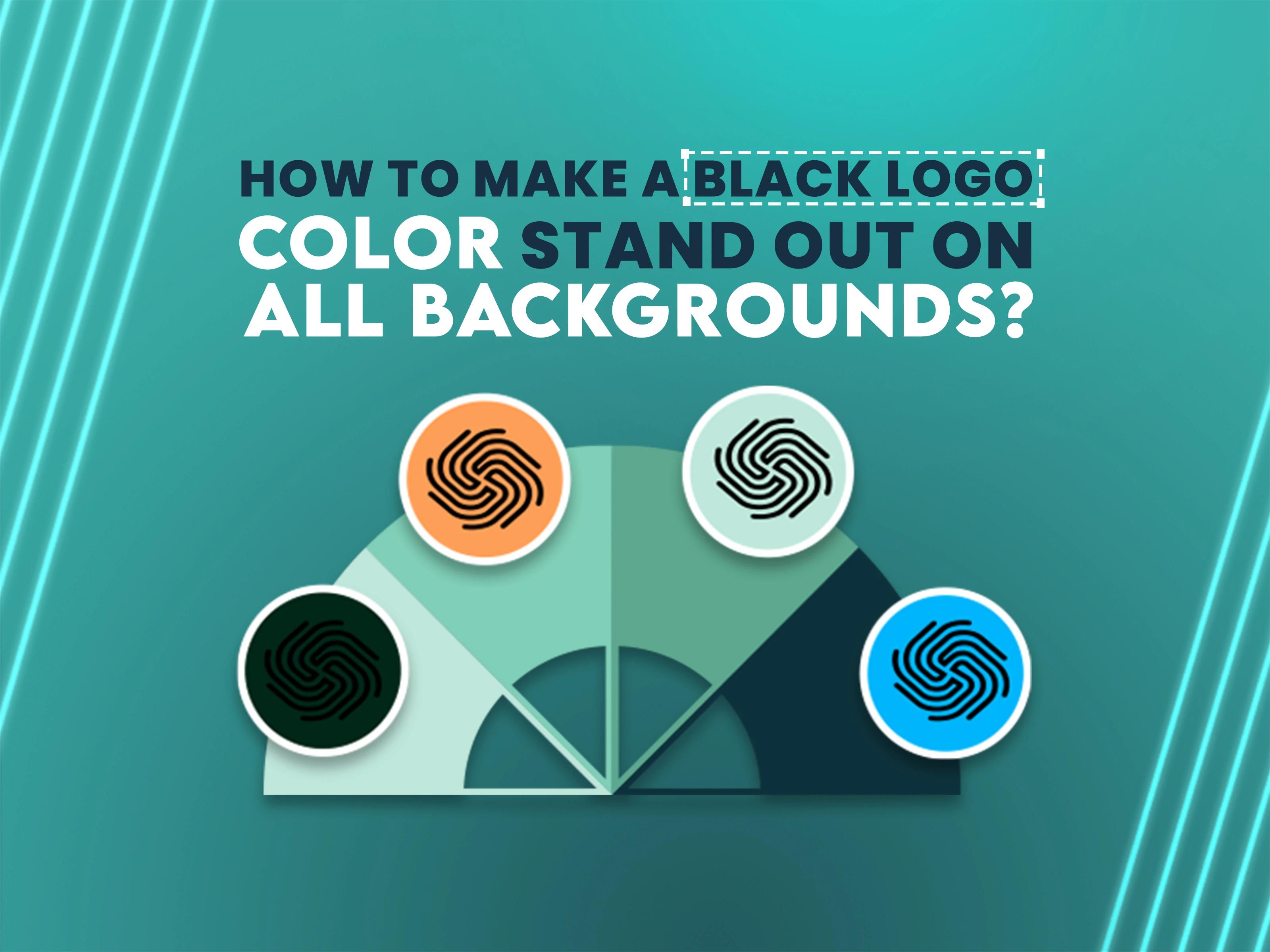


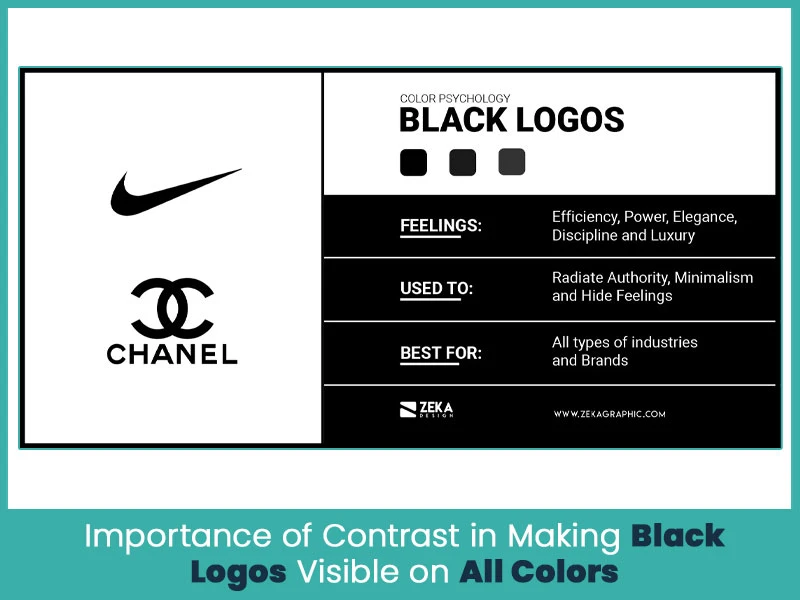
One of the most important aspects of logo design is contrast. Without proper contrast, even the most beautifully designed black logo can fade into the background. High contrast ensures that your logo stands out whether it's on dark fabrics, used in digital media, or printed on marketing items.
Let's suppose that when placing a black logo on dark backgrounds, borders or shadow effects creates enough contrast to make the logo stand out. Meanwhile, on light backgrounds, the sharp, bold look of black already creates high contrast.
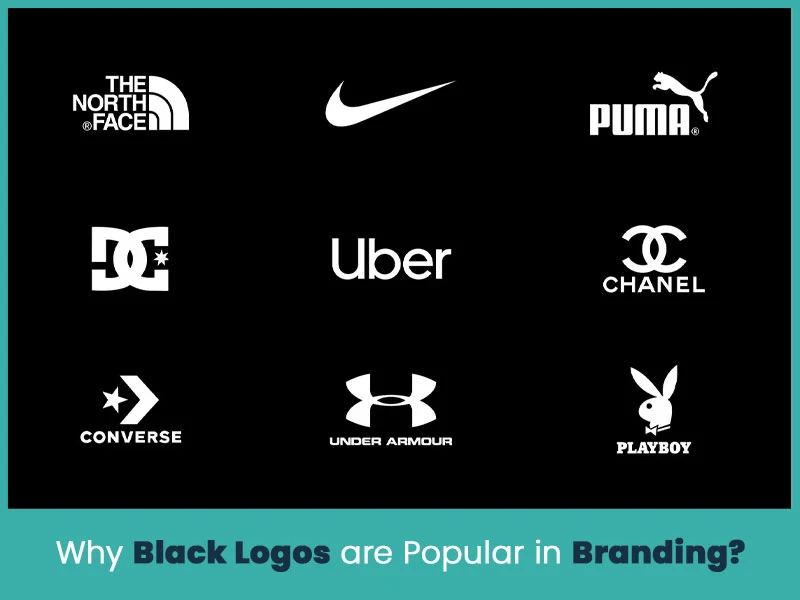
Black logos are widely used in attractive branding for several reasons:
Simplicity and Elegance
Black is a color that represents professionalism and elegance. Whether you work in the IT, fashion, or luxury industries, black conveys trust and power.
Versatility
Black color is used in different types of fashions, such as minimalistic to more elaborate designs. It works perfectly on both digital and print media, making it a popular choice for businesses with a wide range of purposes.
Long-lasting Appeal
Unlike trendy colors that may fade over time, black is classic and enduring, giving brands a long-lasting, iconic presence.
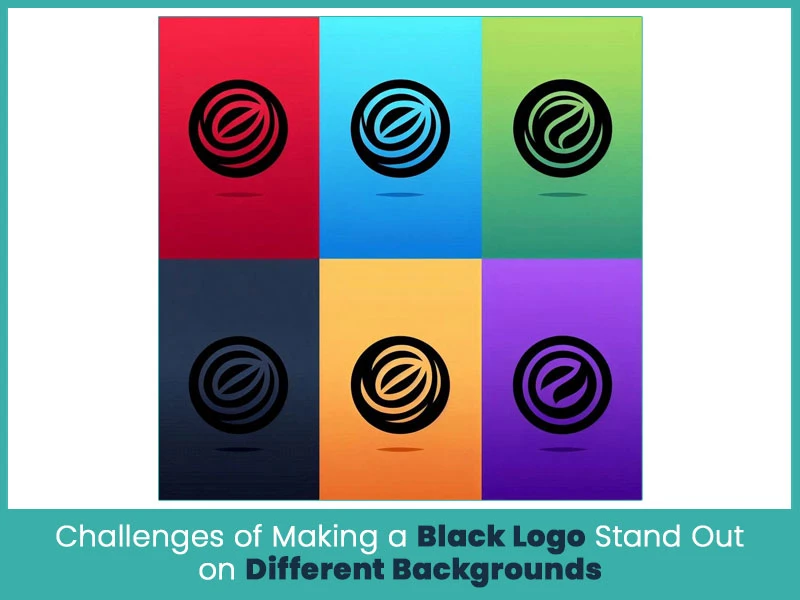
While black logos are stylish, they can be difficult to use across various background colors, especially when you move beyond light and neutral tones. A black logo on a black or dark-colored background. For example, a black logo might be readily overlooked on a dark background. Similarly, some vibrant colors may overpower black, leading to poor visibility.
However, with a few design adjustments, these challenges can be overcome.
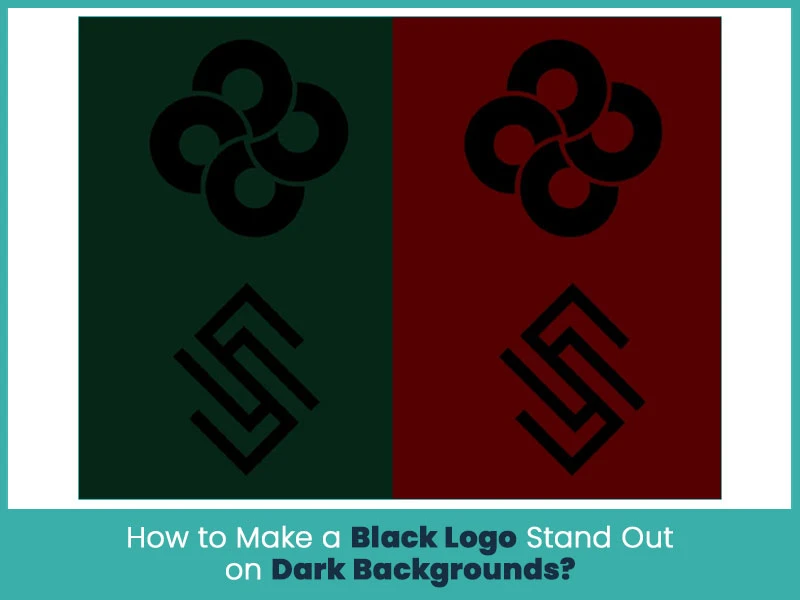
When facing dark backgrounds, the key to visibility is adding visual elements that separate the logo from the background. Here are some tips:
Use a White Outline
A thin white or light-colored outline around your black logo can help it stand out on dark backgrounds. This is one of the most effective ways to boost contrast.
Incorporate Shadows
Soft drop shadows or glows can create depth, giving your logo more dimension and ensuring it doesn't blend into the background.
Consider a Transparent Overlay
For digital applications, try using a semi-transparent overlay over the background, helping to make your logo stand out.
If you want to adapt your logo for dark mode applications on dark fabrics, these steps will make your design more legible and impactful.
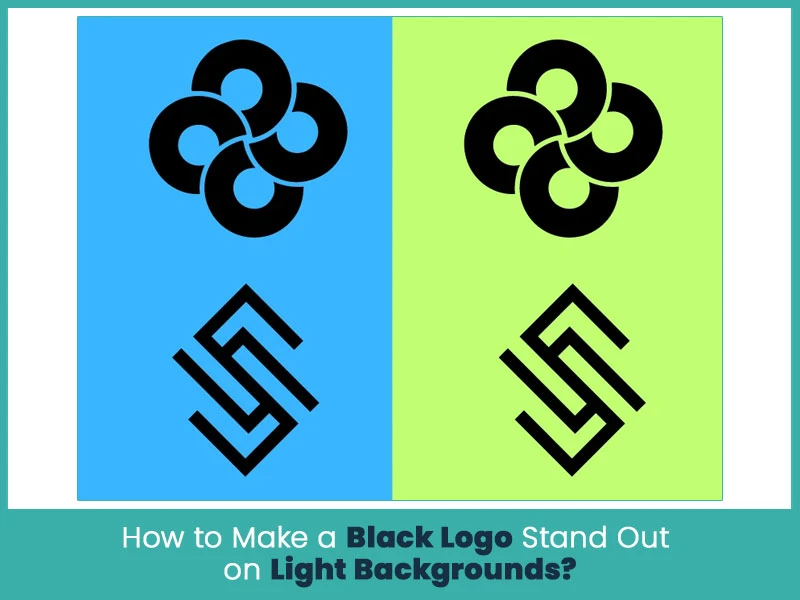
Light backgrounds naturally add more contrast for black logos, but there are still ways to enhance visibility and style:
Add vibrant colors: Adding small vibrant colors to the design gives a visual break from the black and grab the attention more successfully.
Experiment with Bold Typography: If your black logo includes text, using bold fonts will ensure readability on light backgrounds.
In logo designing, this is where black logos often shine. light fabrics, the contrast is high, making the design sharp and clear. True Digitizing helps you enhance your black logo for these kinds of surfaces.
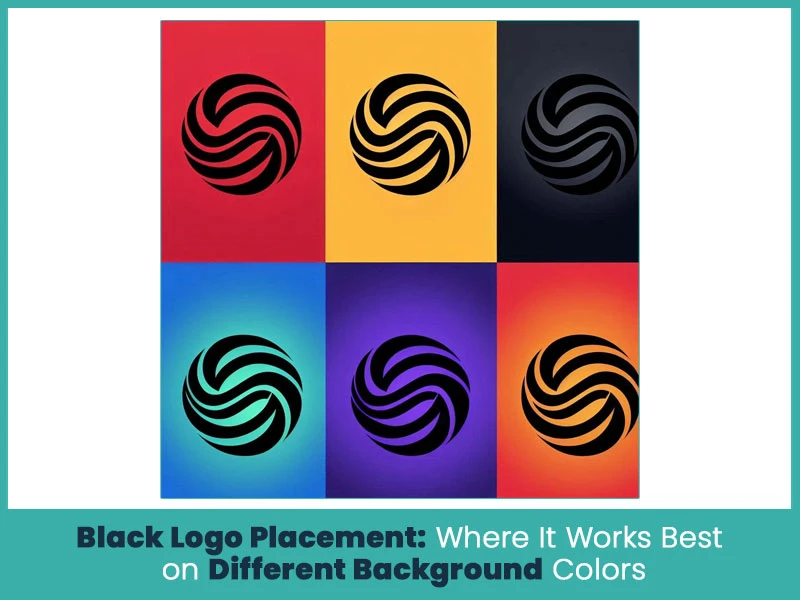
Logo placement significantly impacts how visible it is on different colored backgrounds. When designing your logo, consider the following tips:
Center Placement on Complex Background
If your background includes complex patterns or multiple colors, centering the logo can help it draw attention amidst the visual noise.
Top-Left for Minimalistic Layouts
For digital or print designs with a minimalist aesthetic, placing the logo in the top-left corner is a wise choice. It naturally catches the eye while allowing the rest of the design to breathe.
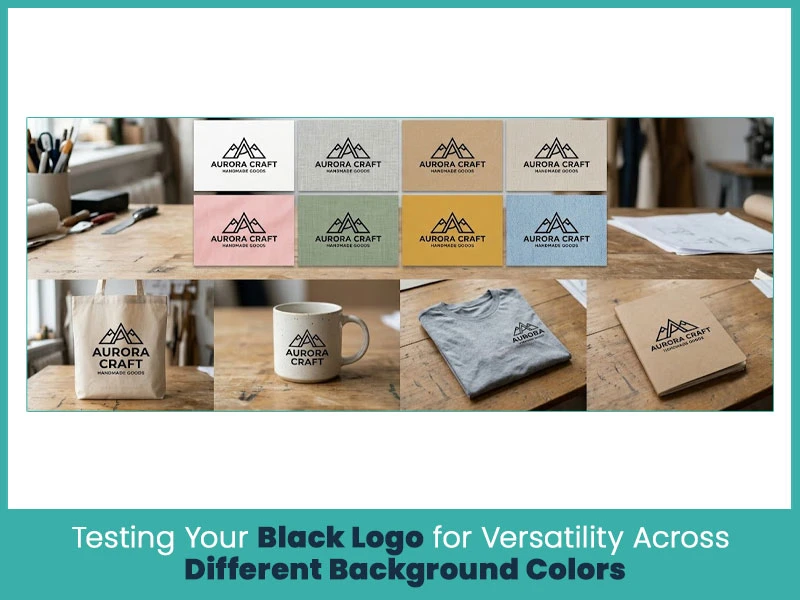
Before committing to your blacklogo design, it’s essential to test it across various backgrounds. Whether you're working on logo branding or other projects, make sure it stands out by following these steps:
Mock-Up Designs: Use design tools to see how your logo looks on different background colors. This will help you understand its versatility.
Check Dark and Light Modes: With the increasing use of dark mode on websites and apps, it’s essential to test your black logo in both dark and light modes to ensure consistency.
Nick William has been immersed in the world of embroidery digitizing for over 20 years, earning 25 industry awards throughout his career. As a 3rd generation embroidery expert, Nick’s journey started in his family’s workshop, where he learned the art of digitizing before the rise of modern software. He has worked with leading commercial embroidery businesses and has shared his expertise with over 75,000 home and professional embroiderers. As an author at True Digitizing, Nick is passionate about teaching others how to create beautiful, precise designs through easy-to-follow tutorials and expert advice.
Categories

Embroidery Digitizing Services: Which Type Do You Need?
17-08-2026

How to Remove Embroidery From Any Fabric — Step-by-Step Guide 2026
15-07-2026

Is SVG a Vector File? Yes — SVG vs EPS, PNG, PDF Vector Formats you need to know
08-07-2026

Embroidery Trends 2026: What's Hot in Machine & Hand Embroidery | TrueDigitizing
26-06-2026

Top Best Embroidery Digitizing Software in 2026
06-05-2026

Best Multi-Needle Embroidery Machines for Startups (2026)
28-02-2026

DST File: The Complete Guide (What It Is, How to Create, Convert & Use in 2026)
28-02-2026

Janome 550E vs Baby Lock Flare | Best Mid-Range Embroidery Machine?
26-02-2026

Choose the Right Fabric for Embroidery
20-02-2026

Advanced Techniques in Embroidery Digitizing
19-02-2026
Asked Questions