At True Digitizing, we transform your creative spark into flawless, high-quality embroidery digitized designs that bring your vision to life.
Our Blogs
We Accept

Copyright 2025 Truedigitizing


At True Digitizing, we transform your creative spark into flawless, high-quality embroidery digitized designs that bring your vision to life.
We Accept
Copyright 2025 Truedigitizing
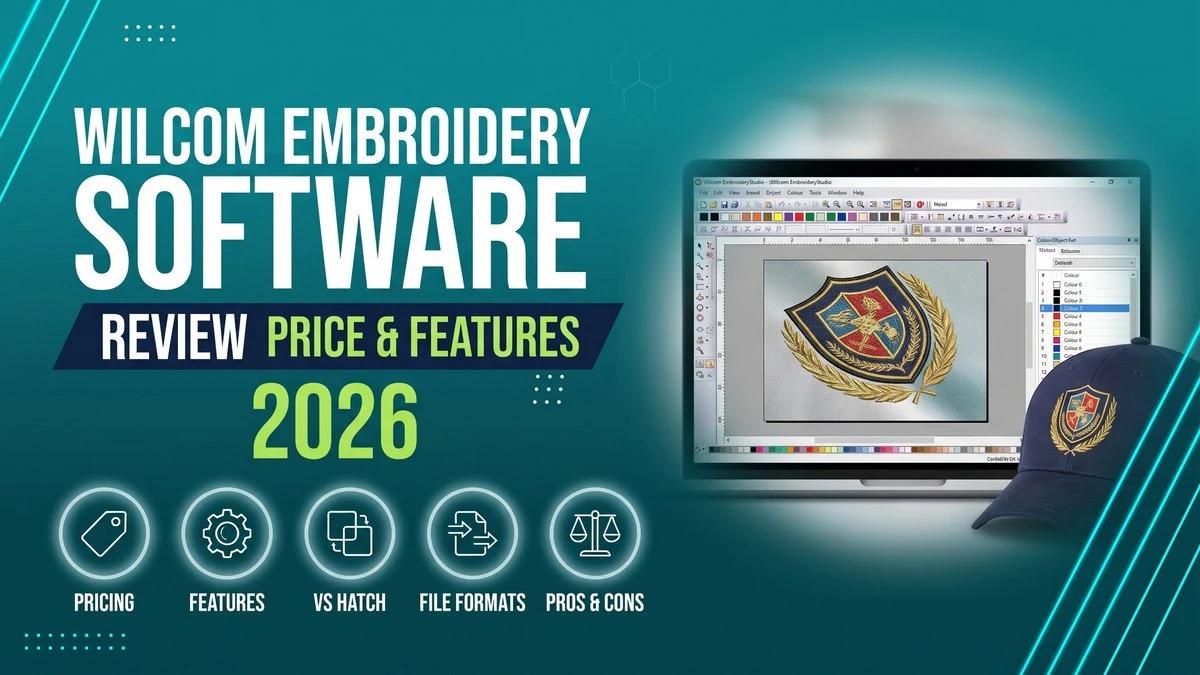


Wilcom Embroidery Software (EmbroideryStudio e4) is professional-grade digitizing software built for embroidery businesses that need auto-digitizing, TrueSizer, and multi-format stitch file output. It's priced through resellers rather than a fixed public number, generally landing well above hobbyist tools like Hatch. For most small embroidery shops, sending artwork to a digitizing service costs less per design and skips the software learning curve entirely.
If you've searched for Wilcom embroidery software, you already know it's one of the most recognized names in commercial digitizing. But the brand has changed a lot in the last year — new product naming, a cloud workspace, and a completely separate consumer line called Hatch. That makes an old "is Wilcom worth it" review confusing fast.
True Digitizing works with embroidery files every day, including plenty that were built or exported in Wilcom EmbroideryStudio, so we get asked about this software constantly by shop owners deciding whether to buy it or outsource digitizing instead. This guide covers what Wilcom actually costs in 2026, how it compares to Hatch, and whether you need it at all.
Not sure you need the software at all?
True Digitizing has completed 20,000+ designs for USA embroiderers over 13+ years. Send us your artwork and get a stitch-ready file back — no software purchase or learning curve required.
Get a Free Quote — True DigitizingWilcom is an Australian company that has built commercial embroidery digitizing software for more than 45 years. Its flagship product, now branded EmbroideryStudio 2026, is used by embroidery factories, franchise digitizing departments, and full-time professional digitizers to convert artwork into stitch files (DST, PES, EXP, and other machine formats).
EmbroideryStudio is not aimed at casual hobbyists. It's built for people digitizing dozens of designs a week and includes auto-digitizing, stitch editing, lettering, applique tools, and production planning features that a home embroiderer rarely touches.
Typical buyers fall into three groups: embroidery businesses running multiple machines that need a shared design library and production estimating, franchise or promotional-product companies with an in-house digitizing department, and freelance digitizers who resell finished files to embroiderers. Very few solo hobbyists buy EmbroideryStudio directly — most of them land on Hatch instead, which is why the two products get confused in search results so often.
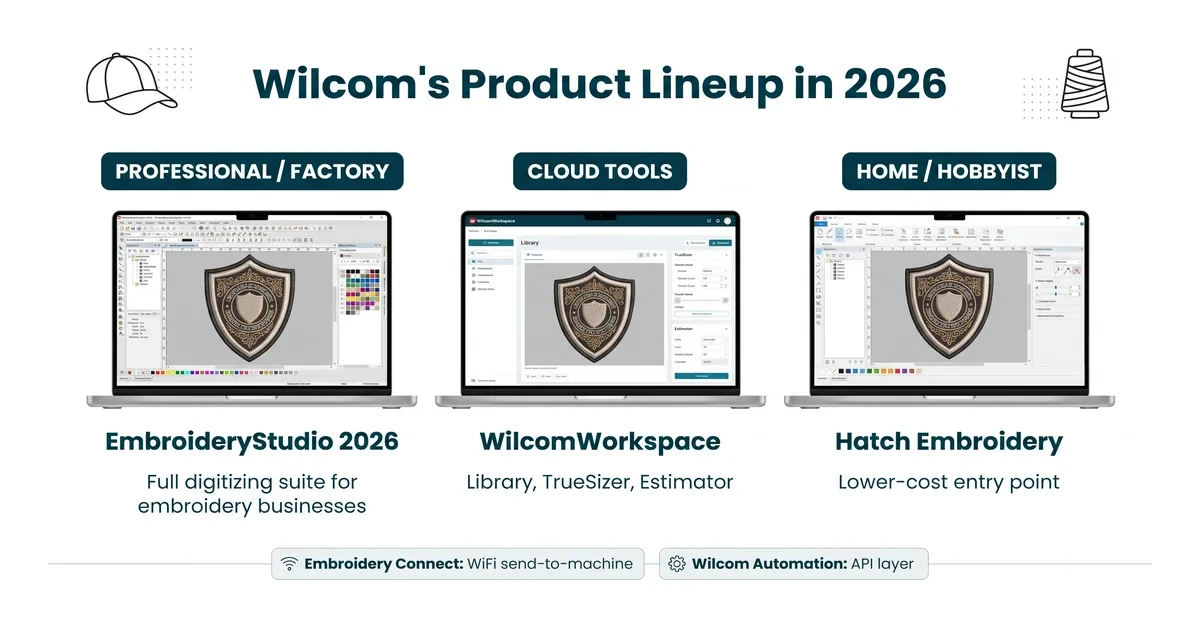
Wilcom no longer sells one product — it's now a small family of tools aimed at different users. Here's how the current lineup breaks down:
This split matters because most of the search traffic around "Wilcom" is actually people who need the Hatch by Wilcom home version, not the professional EmbroideryStudio suite priced for embroidery businesses.
Embroidery Connect and Wilcom Automation round out the lineup but matter to a smaller audience. Embroidery Connect sends a finished design straight to a WiFi-enabled machine, cutting out the USB-stick step some shops still use. Wilcom Automation is an API layer for larger operations that want to trigger digitizing or file-conversion steps automatically from their own order system — not something a small shop or hobbyist needs to think about.
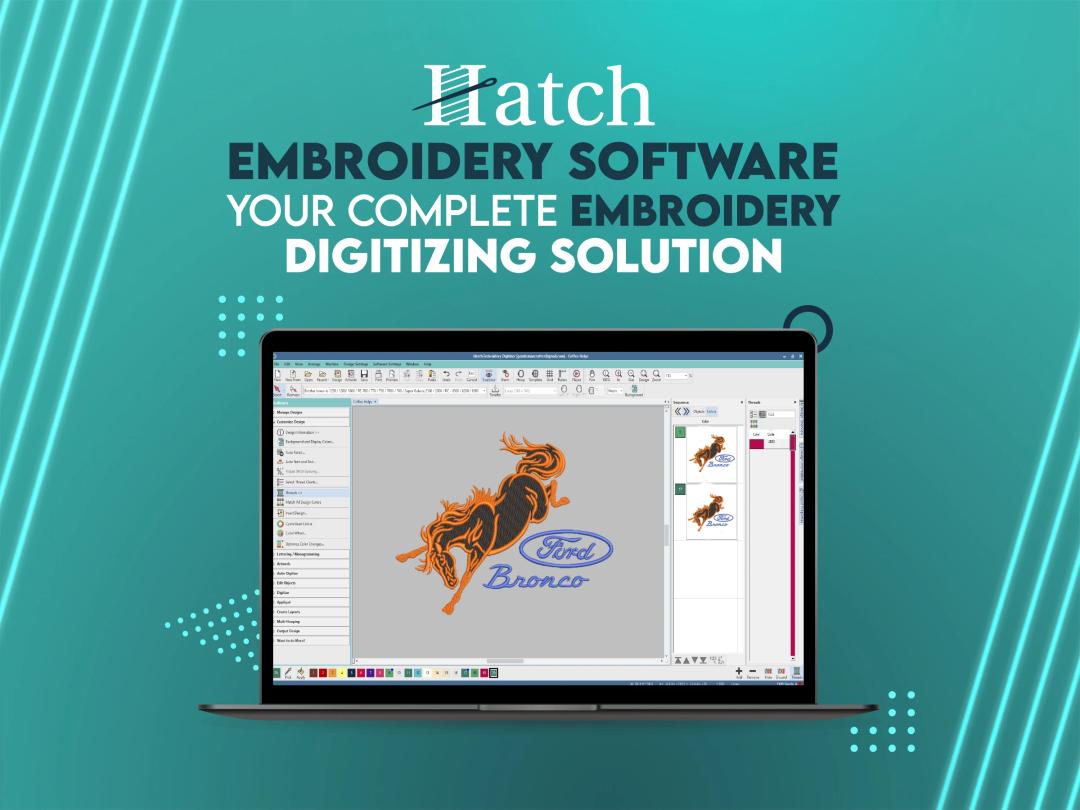
Wilcom doesn't list a public price for EmbroideryStudio itself — it's sold through a "Plans & Pricing" quote request aimed at commercial buyers, and the final number depends on which modules and support plan you add. Hatch by Wilcom, the consumer line, does publish fixed pricing across four editions:
| Hatch Edition | Price | Best For |
|---|---|---|
| Organizer | $199 | Basic design management only |
| Personalizer | $299 | Lettering and monogramming |
| Composer | $699 | Auto-digitizing, advanced editing |
| Digitizer | $1,199 | Full professional-style toolset |
Existing Hatch owners upgrading from Digitizer 3 to the current version pay $299 rather than the full price. For EmbroideryStudio, expect commercial buyers to pay well beyond the top Hatch tier once training and support are included — which is why many small shops compare the cost against simply outsourcing their digitizing instead of buying either product.
Skip the $1,199 software bill entirely
True Digitizing delivers stitch-ready files within 24 hours — trusted by 5,000+ USA embroiderers. Pay per design instead of per license.
Start My Order at True DigitizingWilcom's professional suite is built around speed at scale rather than casual use. The features that matter most for a working digitizer include:
This is the single most common question we hear about Wilcom, and the answer usually comes down to volume, not skill level.
| Factor | EmbroideryStudio 2026 | Hatch (Digitizer) |
|---|---|---|
| Target user | Embroidery businesses, factories | Home embroiderers, small shops |
| Pricing model | Quote-based, no public price | Fixed, $199–$1,199 |
| Production tools | Yes (Estimator, batch tools) | No |
| Learning curve | Steep | Moderate |
If you're weighing Hatch against other consumer-level tools, our Hatch vs. Chroma comparison covers how it stacks up outside the Wilcom family, and our full digitizing software roundup for 2026 covers the rest of the market.
EmbroideryStudio is Windows-only, like most professional digitizing software in this category. It needs a reasonably current machine to run its auto-digitizing and rendering smoothly — an older laptop built for browsing and email will feel sluggish once you're working on a detailed design with dense stitch fills. Wilcom also ties licenses to a hardware or cloud-based activation rather than a simple install file, which is normal for commercial digitizing software but catches new buyers off guard if they expect a one-click download like a consumer app.
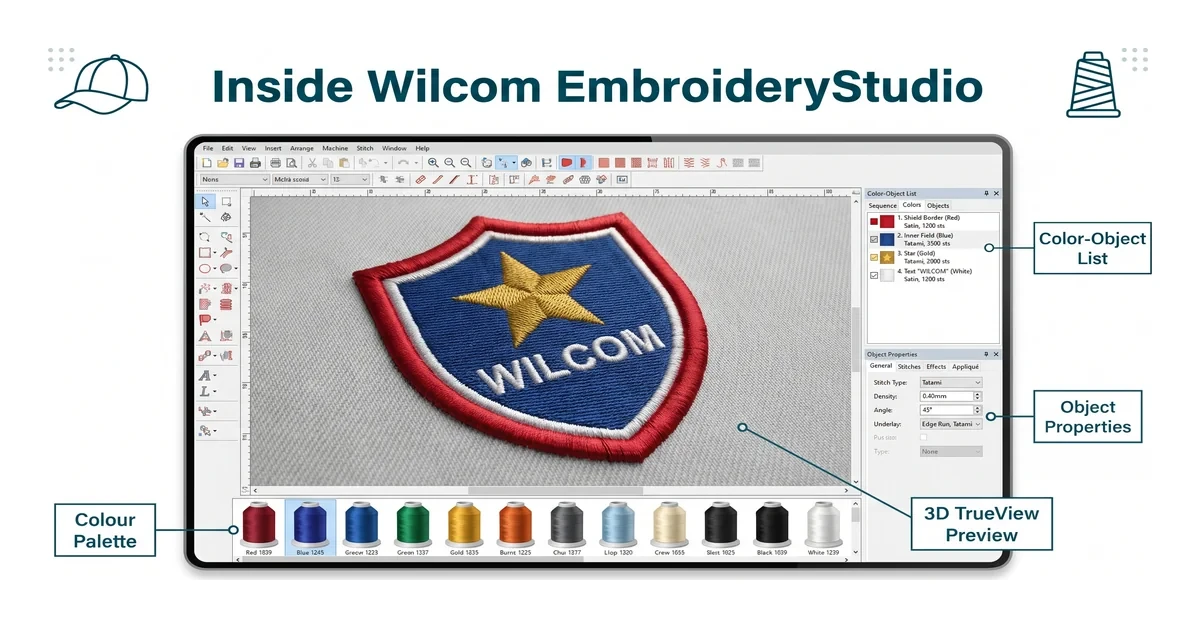
Getting started involves more than installing the program. New users typically go through vendor-led onboarding or training sessions, because the interface exposes a lot of manual stitch-editing controls that aren't intuitive without embroidery-specific knowledge — underlay, pull compensation, and stitch density settings all affect how a design actually sews out, not just how it looks on screen.
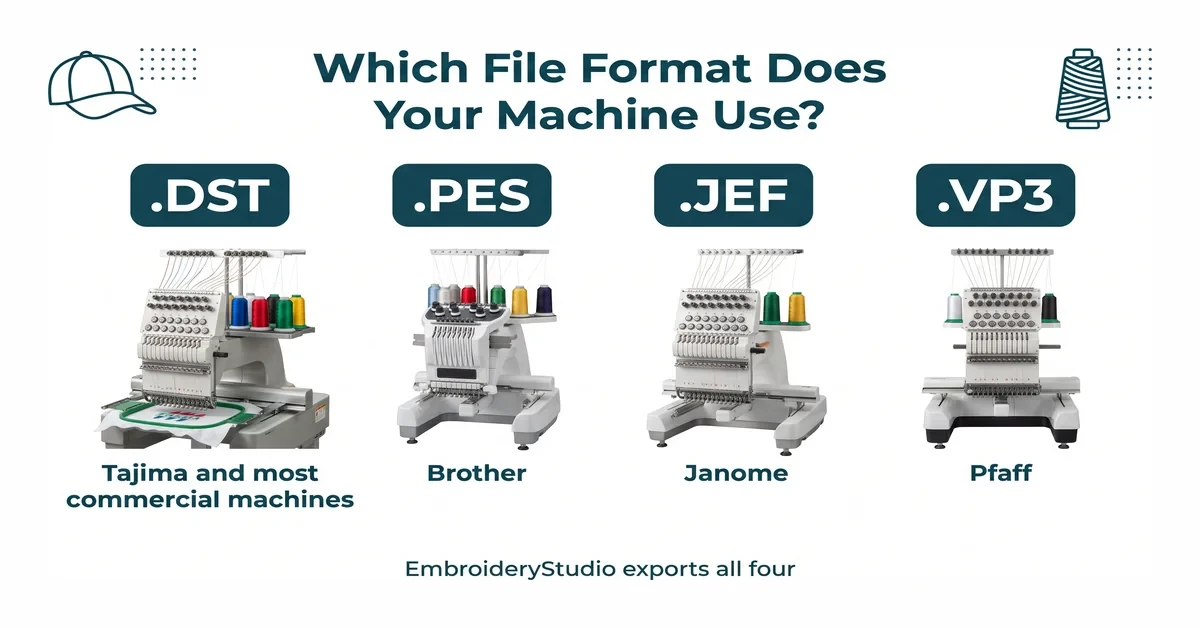
EmbroideryStudio exports the same core formats as every other major digitizing program: DST for Tajima and most commercial machines, PES for Brother, JEF for Janome, and VP3 for Pfaff. This is where True Digitizing sees Wilcom files most often — clients send us a Wilcom-generated design that needs resizing, a format conversion, or a stitch-quality fix before it runs cleanly on their specific machine.
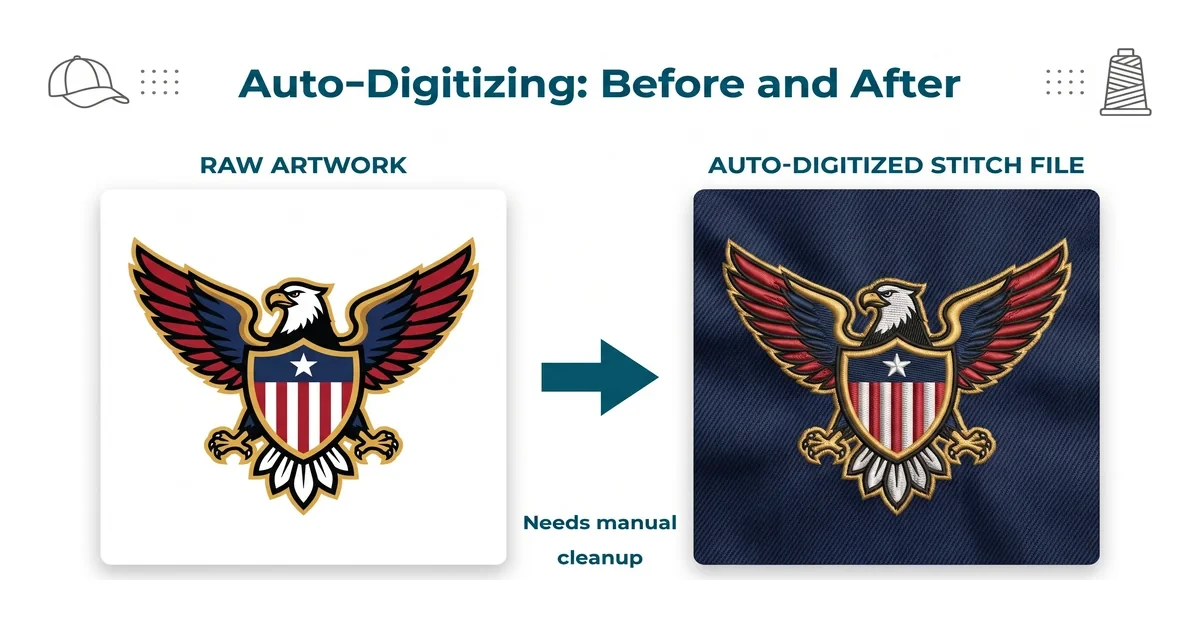
Artwork quality still determines the outcome more than the software choice does. A logo with overlapping colors, low resolution, or gradients confuses auto-digitizing in EmbroideryStudio the same way it confuses any other program, because auto-digitizing works by tracing shape boundaries — it can't guess where one color should logically end and another begin if the source file is messy. That's true whether the artwork started as a vector file or a scanned raster image.
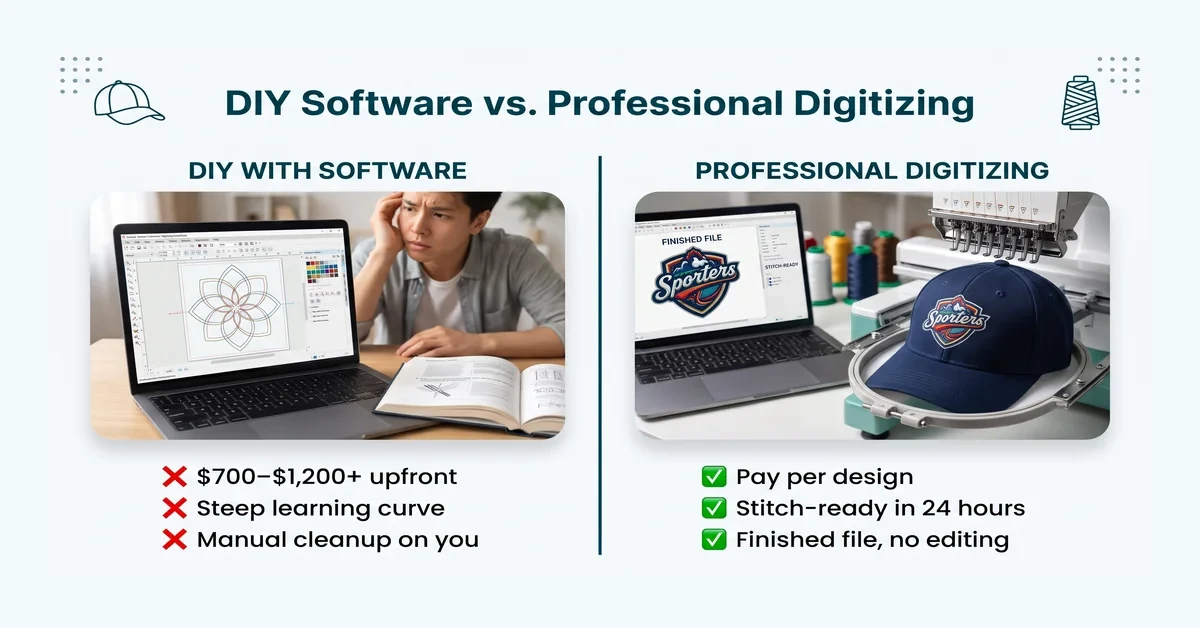
Most of the frustration we hear about Wilcom isn't really about the software itself — it's about buying more program than the job actually needs. A shop digitizing 200 designs a month gets real value from EmbroideryStudio's production tools. A hobbyist digitizing a handful of designs a year is paying for features they'll rarely open.
| Strength | Limitation |
|---|---|
| Industry-standard output quality once mastered | Steep learning curve for new users |
| Full production and estimating toolset | No public price for EmbroideryStudio itself |
| Wide format export support | Auto-digitizer still needs manual cleanup |
| Hatch gives a lower-cost entry point | Hatch lacks factory-level production tools |
For an embroidery business digitizing high volumes in-house, EmbroideryStudio 2026 is still one of the most capable options on the market, and the WilcomWorkspace add-ons make production planning easier than most competitors. For a hobbyist, Hatch's $199–$1,199 range is a reasonable entry point, but it's still a real purchase to commit to before you know if digitizing is something you'll stick with.
For everyone in between — small shops, startups, and anyone with occasional design needs — the math usually favors outsourcing. True Digitizing turns artwork into a stitch-ready file through custom embroidery digitizing without a software license, a training curve, or an upgrade fee every year.
The bigger shift to watch is the rebrand itself. Anyone comparing "Wilcom E4" pricing or specs against 2026 listings is comparing outdated information, and that mismatch is the most common source of confusion in older reviews. Whatever you decide — EmbroideryStudio, Hatch, or outsourcing entirely — confirm you're looking at the current EmbroideryStudio 2026 lineup and not a legacy version number that Wilcom has already retired.
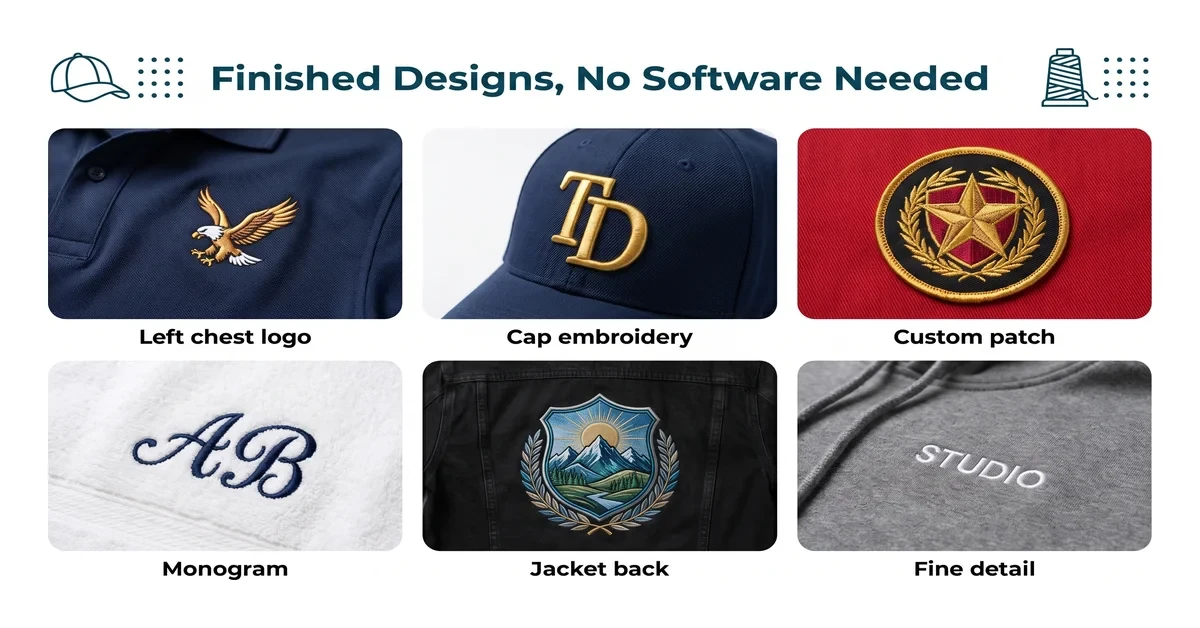
True Digitizing has helped 5,000+ USA embroiderers get professional stitch files since 2013. Skip the Wilcom or Hatch price tag and get a machine-ready file in as little as 24 hours.
Get My Design Digitized by True Digitizing →Fast turnaround · truedigitizing.com · 100% satisfaction guaranteed
TrueDigitizing's team of embroidery digitizers and file conversion experts — delivering practical guides for home hobbyists and commercial shops alike. Our specialists cover the full range of embroidery production: custom digitizing for machine embroidery, vector art conversion, and physical embroidered patch manufacturing — with a 6-hour turnaround on digital files and worldwide patch delivery in 5 business days. Every article we publish comes from the same people handling real production orders daily. When we write about stitch density, underlay settings, or file formats, it is because we work with these variables across hundreds of client files every week — not because we researched them from the outside.
Categories
Embroidery Backing Guide: Types & How to Choose (2026)
11-10-2026
Embroidery Digitizing Services: Which Type Do You Need?
17-08-2026
How to Remove Embroidery From Any Fabric — Step-by-Step Guide 2026
15-07-2026
Is SVG a Vector File? Yes — SVG vs EPS, PNG, PDF Vector Formats you need to know
08-07-2026
Embroidery Trends 2026: What's Hot in Machine & Hand Embroidery | TrueDigitizing
26-06-2026
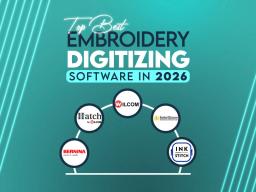
Top Best Embroidery Digitizing Software in 2026
06-05-2026
Best Multi-Needle Embroidery Machines for Startups (2026)
28-02-2026
DST File: The Complete Guide (What It Is, How to Create, Convert & Use in 2026)
28-02-2026
Janome 550E vs Baby Lock Flare | Best Mid-Range Embroidery Machine?
26-02-2026
Choose the Right Fabric for Embroidery
20-02-2026
Asked Questions