




At True Digitizing, we transform your creative spark into flawless, high-quality embroidery digitized designs that bring your vision to life.
Our Blogs
We Accept

Copyright 2025 Truedigitizing



At True Digitizing, we transform your creative spark into flawless, high-quality embroidery digitized designs that bring your vision to life.
We Accept
Copyright 2025 Truedigitizing
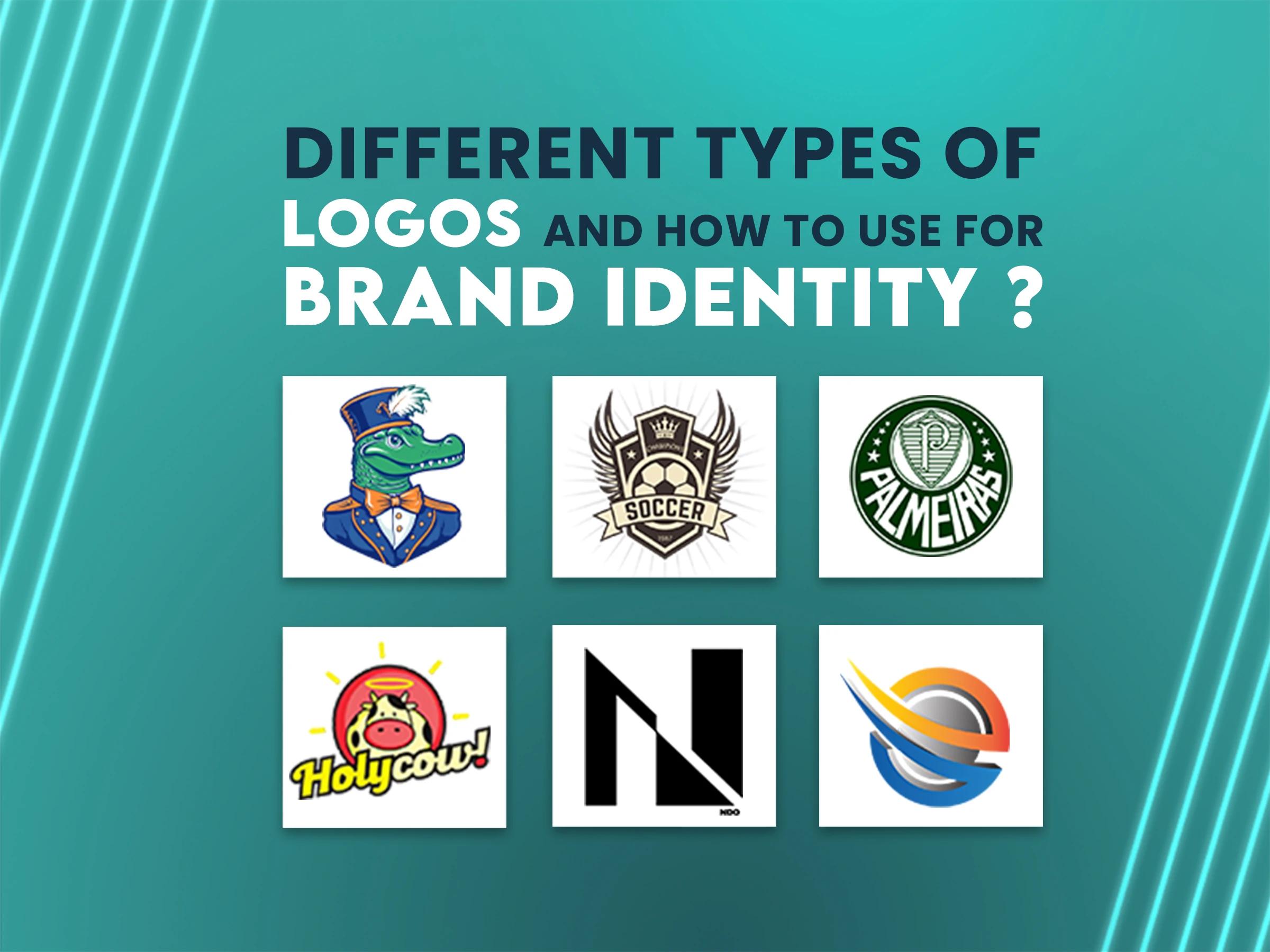


In today’s competitive market, the logo is not just a symbol, it is the identity of your brand. A well-designed logo conveys the core values of your company and mission. Whether you are building a new business or rebranding an existing one, understanding the different types of logos will help you choose one that fits your brand.
At True Digitizing, we specialize in professional custom logo designing services that help businesses establish a strong and unique brand identity. From modern wordmarks to creative abstract logos, our team ensures your logo stands out and perfectly represents your vision. Whether you need a fresh logo concept or a redesign, we are here to deliver designs that truly connect with your audience.
Your logo is an important part of your overall brand identity. It establishes brand recognition, builds trust, and sets you apart from competitors. When your audience sees your logo consistently across different platforms, whether it’s on a website, business card, or marketing material, it strengthens brand recognition.
In today’s world, logos must be adaptable. Whether on digital screens or printed materials, the right logo style will leave an impactful mark. That's where choosing the correct type of logo for your brand becomes crucial.
At True Digitizing, we understand how vital logos are for branding. That’s why our custom logo design service is tailored to meet your business goals, industry needs, and creative preferences. With our expertise, you get a logo that is versatile, modern, and memorable.
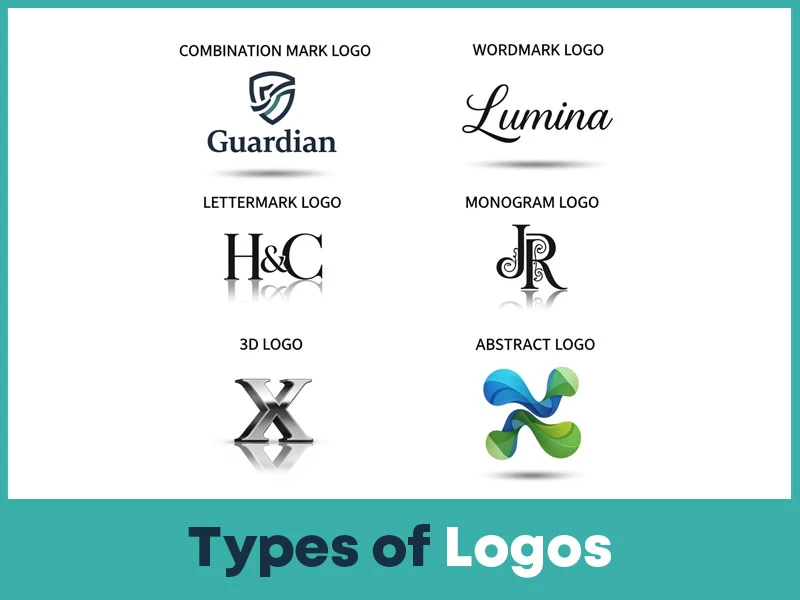
There are various types of logos, each with its own strengths. Let’s explore the most common logo styles and their importance in branding.
A combination mark logo blends text with a symbol or an icon, allowing you to use either the text or the symbol on its own, depending on the application.
Combination logos are highly versatile. They can be used across various mediums, including business cards, websites, and promotional materials.
These logos are ideal for creating a solid visual identity. The combination of text and imagery makes it easier for consumers to recognize and remember your brand.
Wordmark or lettermark logos consist solely of the company name written in a distinct font or style. They rely on typography to create a memorable image.
Wordmarks are best suited for businesses with unique or short brand names.
Wordmark logos ensure that your brand name is prominently displayed.
Examples: Famous wordmark logos include Coca-Cola and Google.
Lettermark logos, also known as monogram logos, use initials or abbreviations of a brand’s name.
Lettermarks are perfect for companies with long names that want to create a simpler, cleaner look.
By simplifying complex names, lettermarks make brands easier to remember and identify.
Examples: IBM, NASA, and HBO.
Similar to lettermarks, monogram logos use overlapping letters or initials to create a cohesive symbol.
Monogram logos are best for brands looking to create a refined, professional image.
Examples: Louis Vuitton and Chanel.
Letterform logos are simplified to a single letter, typically stylized to create a unique visual representation of the brand.
Examples: McDonald's “M” and Netflix’s “N.”
Symbol logos use icons to represent a brand.
Examples: Apple’s iconic logo.
Abstract logos use geometric forms or unique shapes to represent a brand creatively.
Examples: The Pepsi logo.
Mascot logos feature a character or illustrated figure that represents the brand.
Examples: KFC’s Colonel Sanders and the Pillsbury Doughboy.
Emblem logos feature text inside a symbol or badge.
Examples: Harley-Davidson and Starbucks.
This logo style places the brand's letters within a geometric shape.
Examples: BBC and Unilever.
Negative space logos creatively use the space around and between letters or images.
Example: FedEx with its hidden arrow.
Dynamic logos adapt to different settings while maintaining brand identity.
Example: Google’s changing doodle.
3D logos use depth, gradients, and shading for a modern look.
Example: NVIDIA.
Animated logos bring a brand’s identity to life with motion.
Example: Pixar’s animated intro.
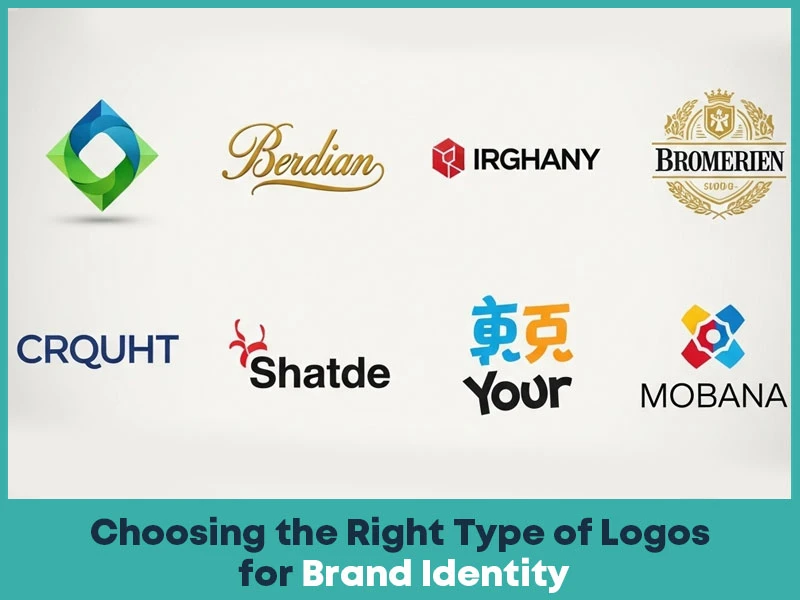
Choosing the right logo is key to building a strong brand identity. Know your industry, target audience, and brand values when choosing a logo. For example, a tech startup might lean towards an abstract logo, while a family restaurant may find a mascot logo more suitable.
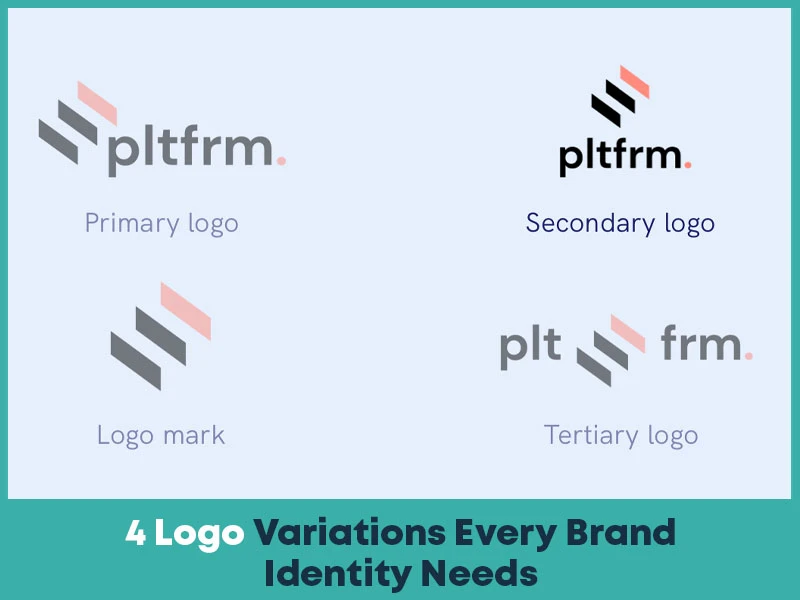
To maintain consistency across all platforms, every brand should have these four logo variations:
Primary Logo: The main logo used on most branding materials.
Secondary Logo: A simplified version of the primary logo for smaller applications.
Icon or Mark: A standalone symbol or icon.
Logo Lockup: A combination of the logo and the brand name.
Understanding the different logo types is important for building a brand that stands out. Whether it’s a simple wordmark or a complex emblem, the right logo boosts your brand identity and creates a lasting impression.
If you’re ready to take your branding to the next level,True Digitizing offers expert logo design services at affordable rates. With our creative team and professional approach, we design logos that reflect your business identity, values, and vision, helping your brand leave a powerful mark in the market.
Nick William has been immersed in the world of embroidery digitizing for over 20 years, earning 25 industry awards throughout his career. As a 3rd generation embroidery expert, Nick’s journey started in his family’s workshop, where he learned the art of digitizing before the rise of modern software. He has worked with leading commercial embroidery businesses and has shared his expertise with over 75,000 home and professional embroiderers. As an author at True Digitizing, Nick is passionate about teaching others how to create beautiful, precise designs through easy-to-follow tutorials and expert advice.
Categories
Embroidery Backing Guide: Types & How to Choose (2026)
11-10-2026
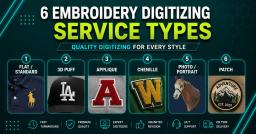
Embroidery Digitizing Services: Which Type Do You Need?
17-08-2026
How to Remove Embroidery From Any Fabric — Step-by-Step Guide 2026
15-07-2026
Is SVG a Vector File? Yes — SVG vs EPS, PNG, PDF Vector Formats you need to know
08-07-2026
Embroidery Trends 2026: What's Hot in Machine & Hand Embroidery | TrueDigitizing
26-06-2026
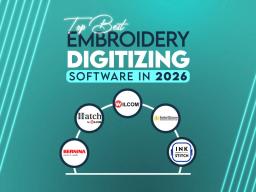
Top Best Embroidery Digitizing Software in 2026
06-05-2026
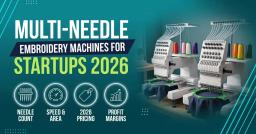
Best Multi-Needle Embroidery Machines for Startups (2026)
28-02-2026
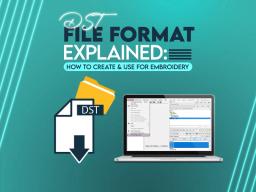
DST File: The Complete Guide (What It Is, How to Create, Convert & Use in 2026)
28-02-2026
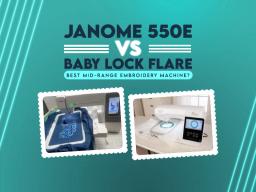
Janome 550E vs Baby Lock Flare | Best Mid-Range Embroidery Machine?
26-02-2026
Choose the Right Fabric for Embroidery
20-02-2026
Asked Questions