At True Digitizing, we transform your creative spark into flawless, high-quality embroidery digitized designs that bring your vision to life.
Our Blogs
We Accept

Copyright 2025 Truedigitizing


At True Digitizing, we transform your creative spark into flawless, high-quality embroidery digitized designs that bring your vision to life.
We Accept
Copyright 2025 Truedigitizing
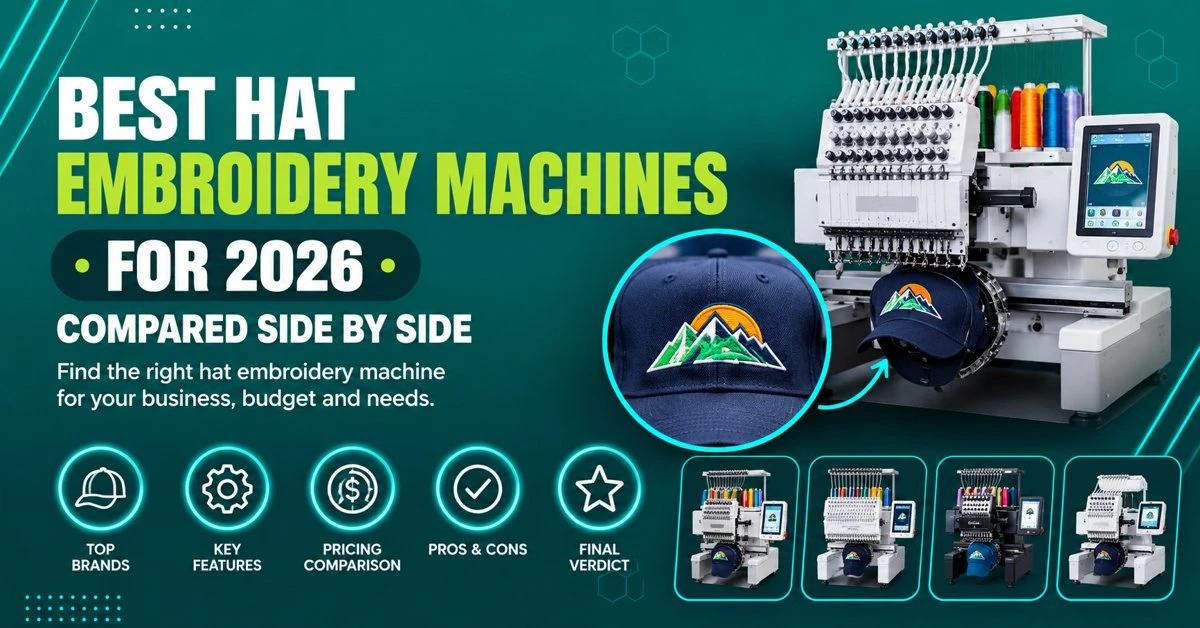


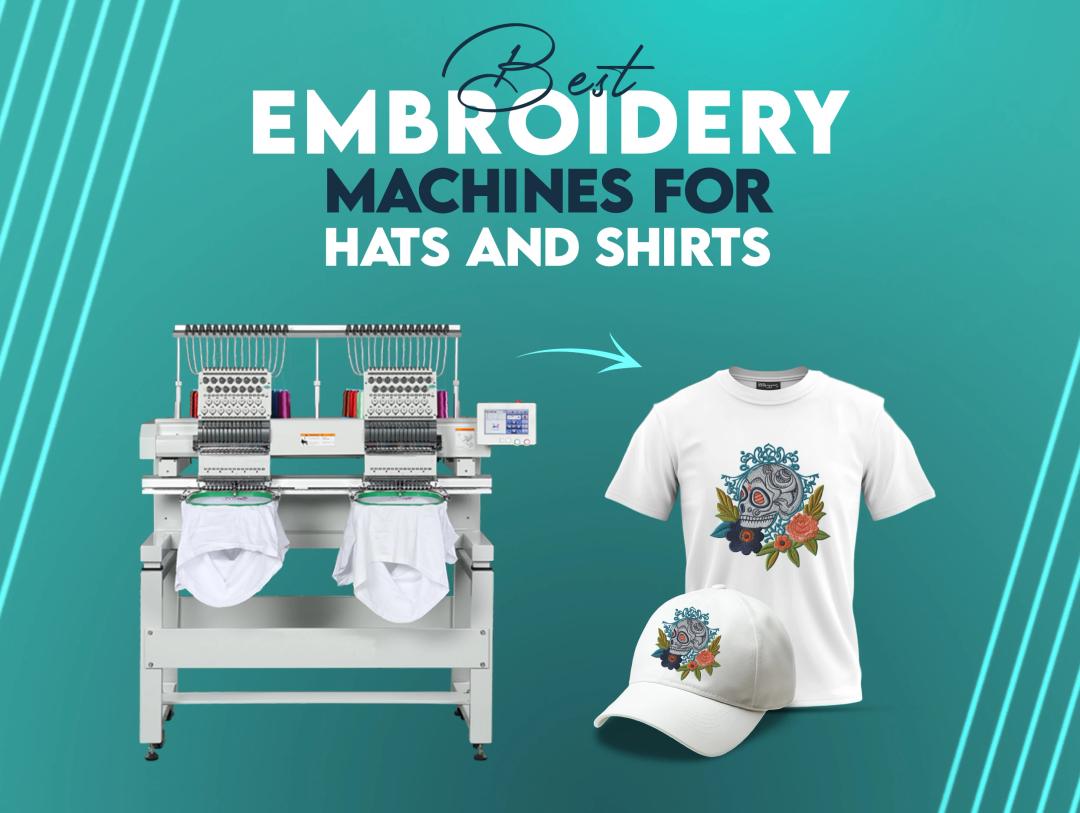
For most beginners, the Brother SE1900 is the best hat embroidery machine — it handles curved cap frames well and costs far less than commercial gear. Small shops usually move up to a multi-needle machine like the Janome MB-7, while high-volume shops need a dedicated cap machine such as the Melco EMT16X. Match your machine to your order volume, not just your budget.
A crisp logo on a curved cap brim is one of the hardest things to embroider well — the fabric shifts, the frame is small, and a cheap machine will pucker the stitching within the first few hats. Picking the best hat embroidery machine for your situation comes down to one question: how many caps are you actually going to run in a week?
In this guide, True Digitizing breaks down the top hat embroidery machines for beginners, small businesses, and commercial shops for 2026, plus the features that actually matter on a curved cap frame — needle count, hoop compatibility, and stitch speed — so you can buy the right machine the first time.
Not sure your logo will stitch cleanly on a hat?
True Digitizing has completed 20,000+ designs for USA embroiderers over 13+ years. Send us your logo and we'll digitize it specifically for a curved cap frame before you run a single hat.
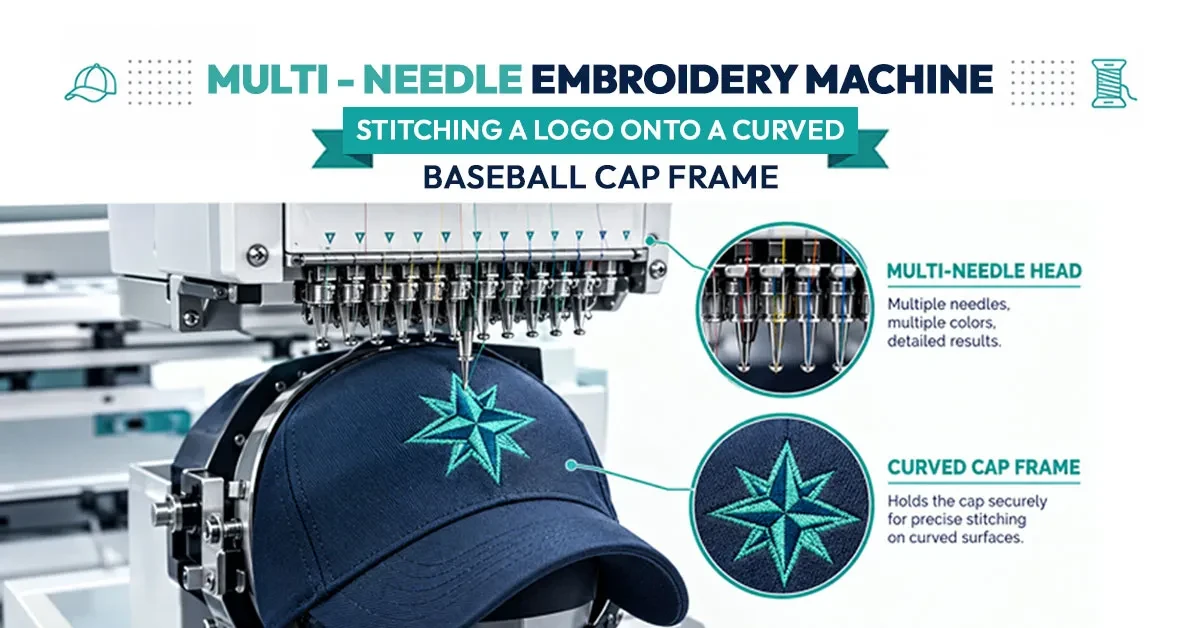
Get a Free Quote — True DigitizingHats are harder to embroider than flat goods because the fabric is stretched over a curved, structured frame. A machine built for hats needs a cap-compatible hoop or cap driver attachment, enough clearance to stitch across the seam, and a stable frame that won't shift mid-design. Before comparing models, check for these four things:
| Feature | Why It Matters for Hats |
|---|---|
| Cap hoop / cap driver | Holds the curved brim flat under the needle so stitches don't drift |
| Needle count | More needles mean fewer thread changes on multi-color logos |
| Embroidery field size | Cap fronts are narrow — most run 2.75"–4" tall, not a full 5"x7" field |
| Stitch speed | Faster machines matter once you're running repeat orders, not one-off hats |
If you're stitching hats for the first time, you don't need a commercial multi-head — you need a single-needle combo machine with a cap hoop attachment and a gentle learning curve.
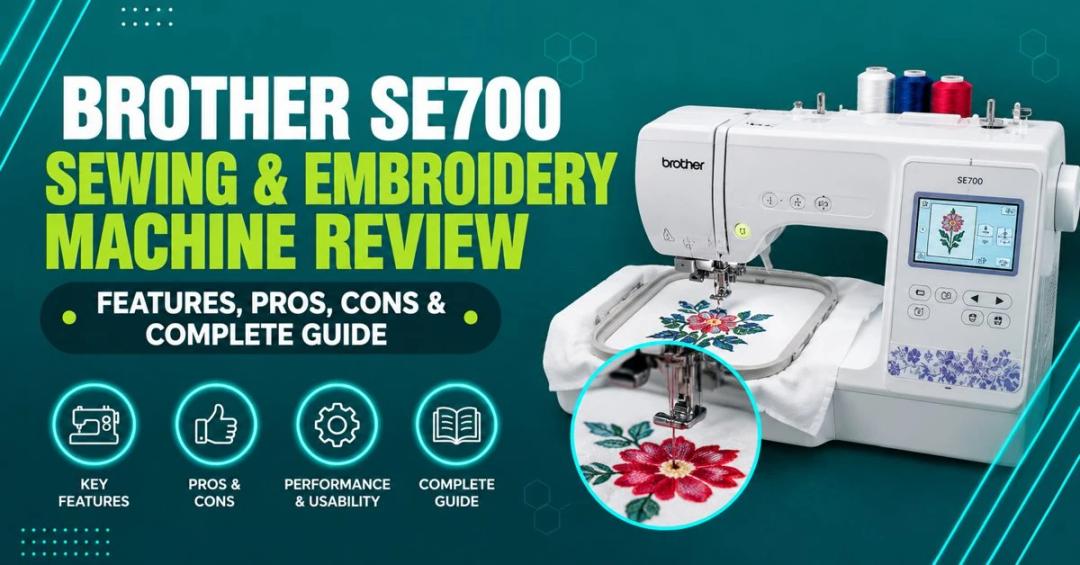
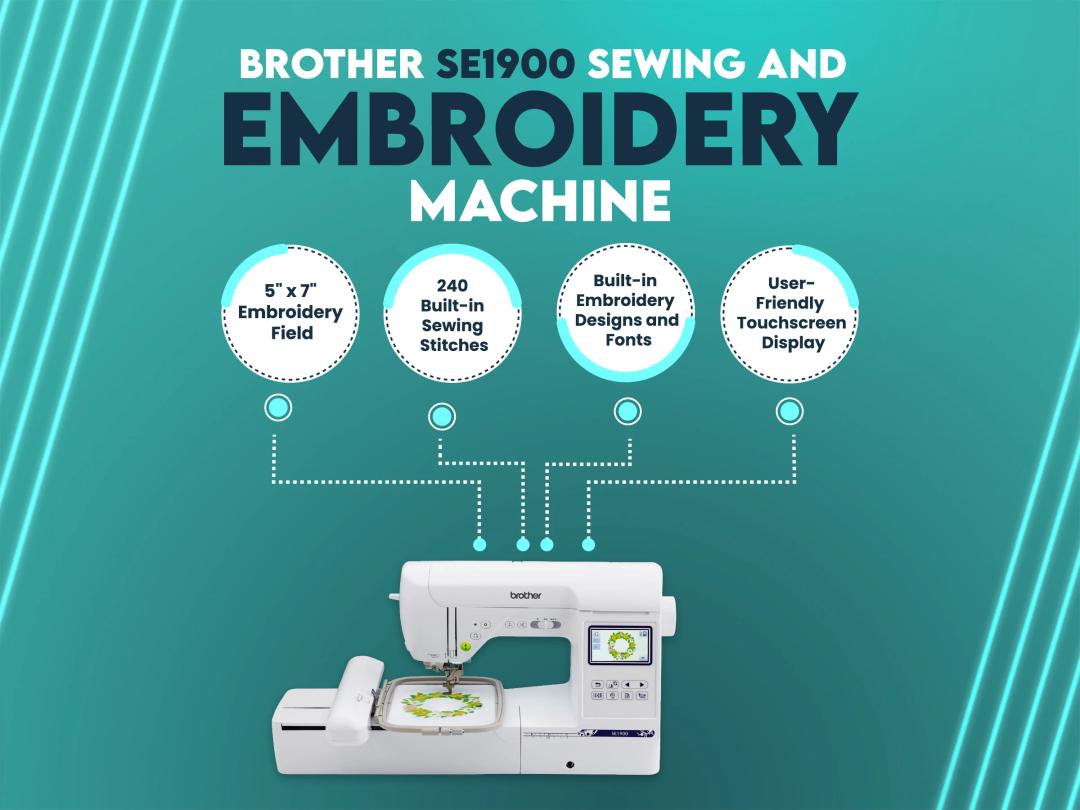
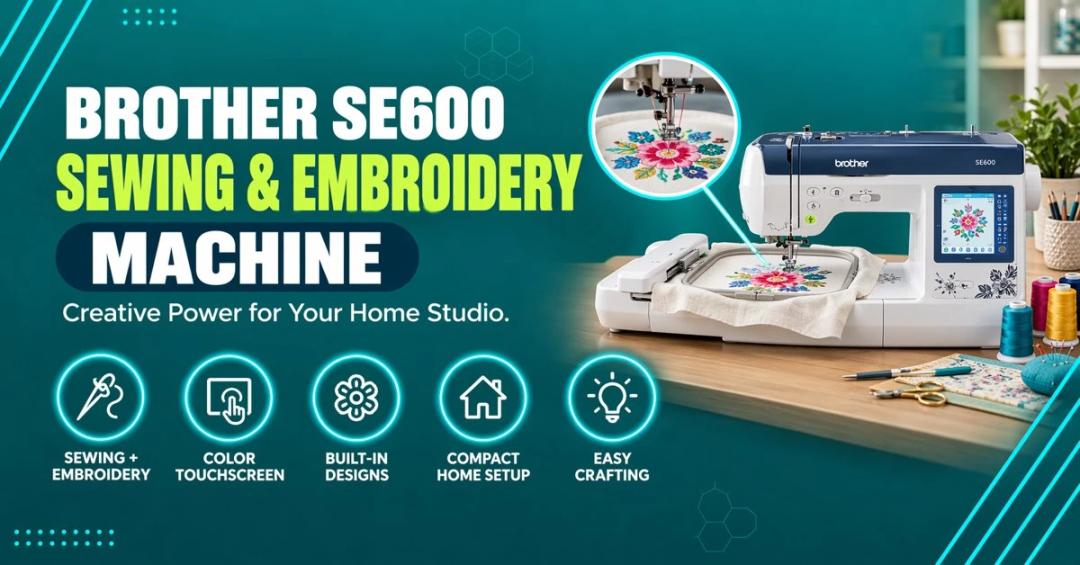
The Brother SE1900 is a combination sewing-and-embroidery machine with a 5" x 7" embroidery field, USB design import, and a color LCD touchscreen. With the separately sold cap hoop attachment, it handles small logo designs on curved brims well, which is why it's the most common starting point True Digitizing sees among home-based cap embroiderers.
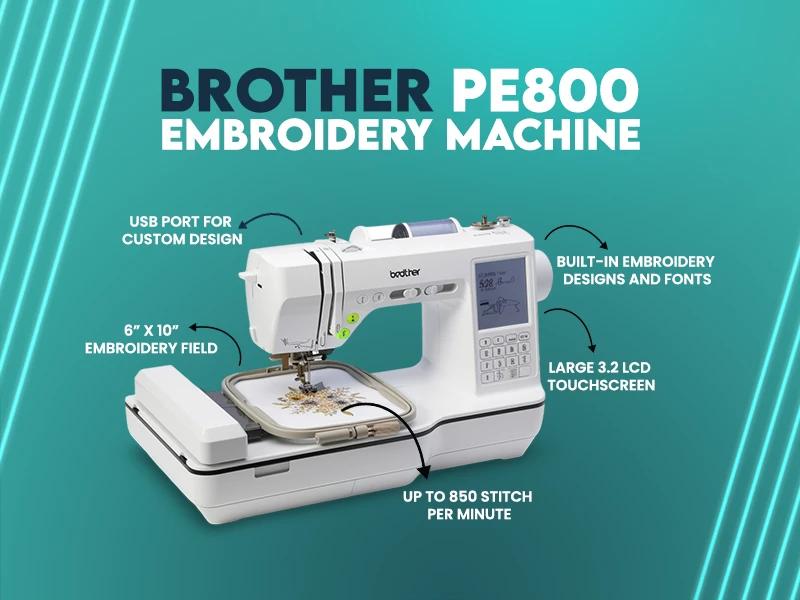
The Brother PE800 is a dedicated embroidery-only machine with a 5" x 7" field and 138 built-in designs. It's a step down in versatility from the SE1900 (no sewing function) but a step up in ease of use for anyone who only wants to embroider, not sew. It's a strong match for anyone starting out on custom embroidery digitizing for basic logo caps.
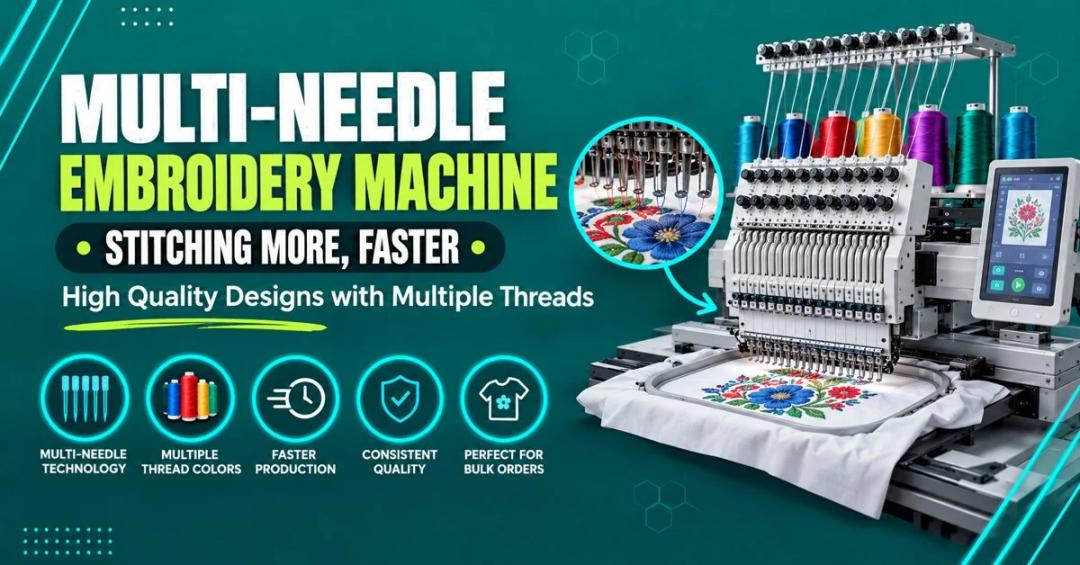
Once you're filling recurring orders — team hats, small-batch trucker caps, local business swag — a single-needle machine becomes a bottleneck. This is where a multi-needle machine earns its cost back in thread-change time alone.
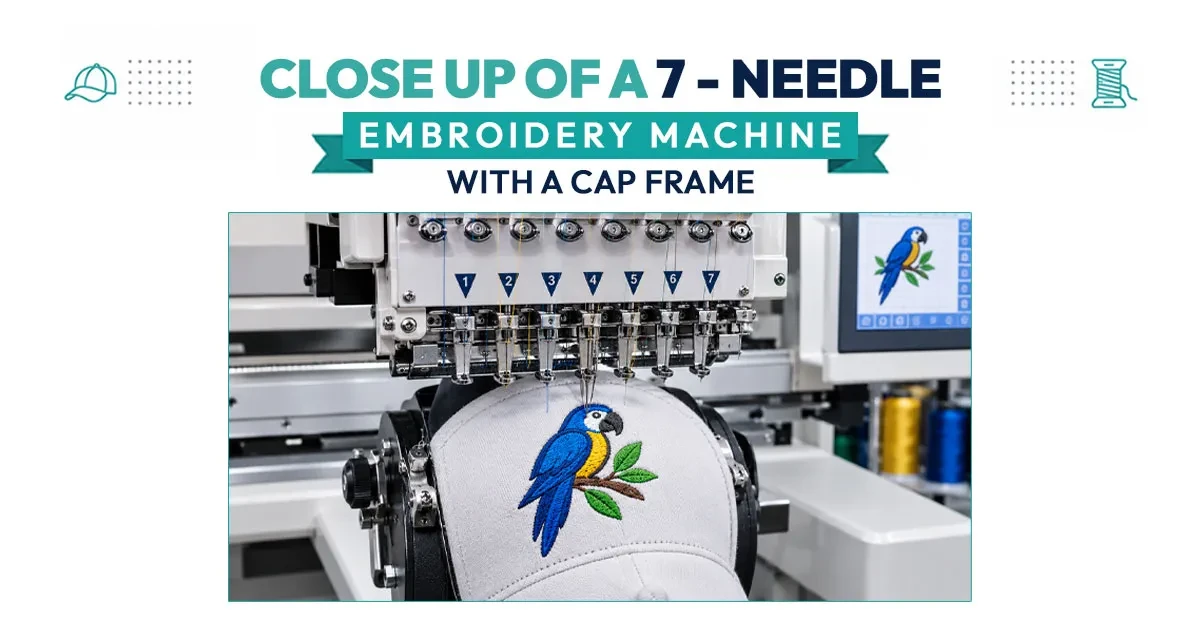
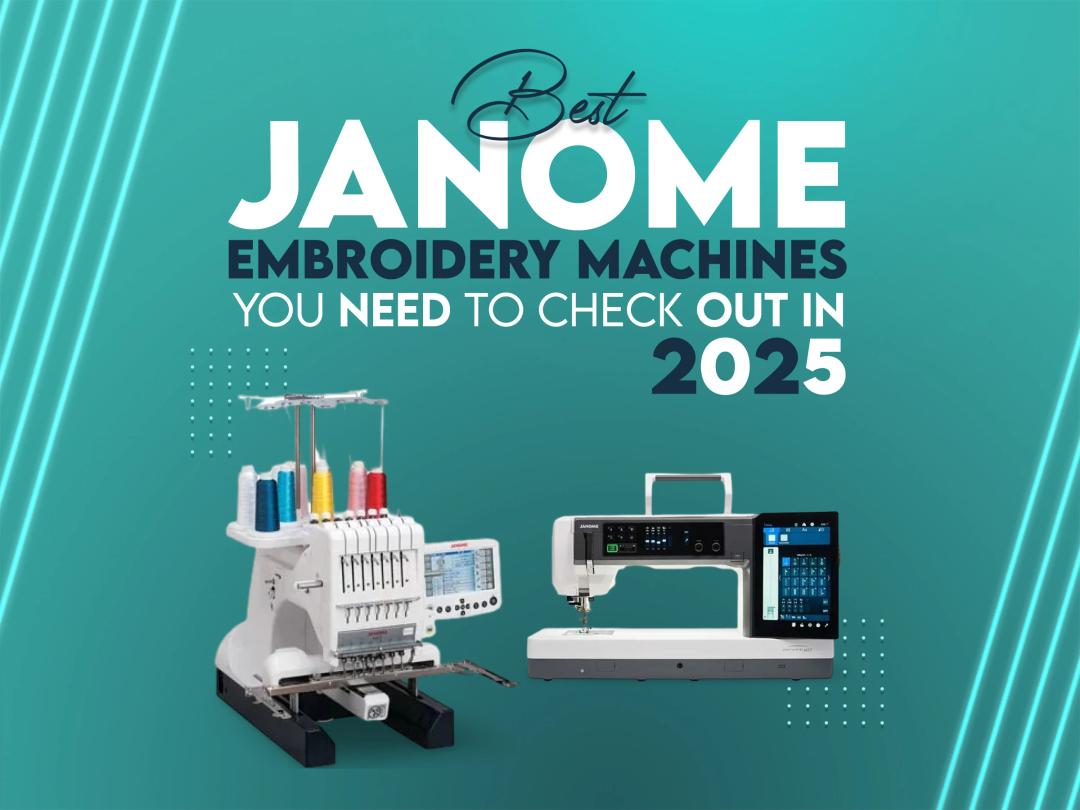
The Janome MB-7 is a 7-needle commercial machine built for small production runs. It imports designs by USB, holds 50 built-in designs and 10 monogramming fonts, and — with the cap frame accessory — is a common upgrade pick for shops moving off a single-needle machine without jumping straight to industrial equipment.
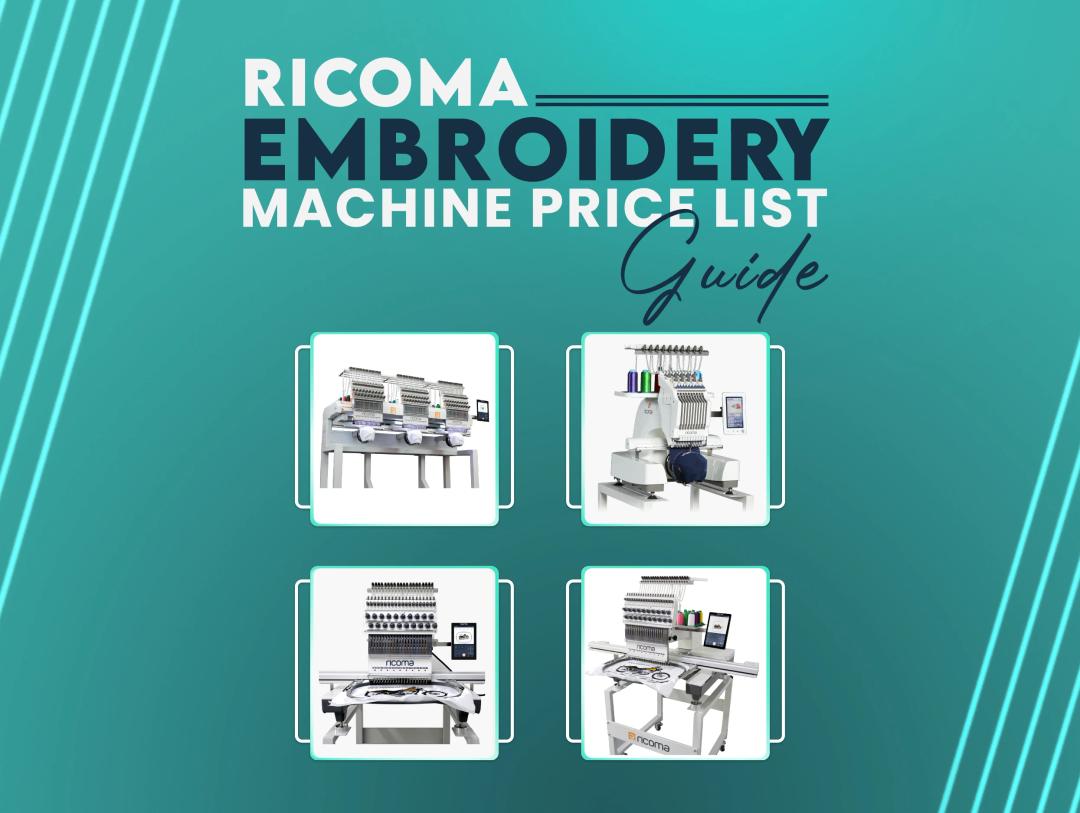
Ricoma's single-head, 10-needle EM-1010 is a popular choice among home-based and small-shop embroiderers specifically because Ricoma sells purpose-built cap frames and a large embroidery field for the machine, and the brand has a strong reputation for USA-based customer support and training.
High-volume shops running hundreds of caps a week need a machine built specifically for cap production, not a general-purpose machine with a cap attachment bolted on.
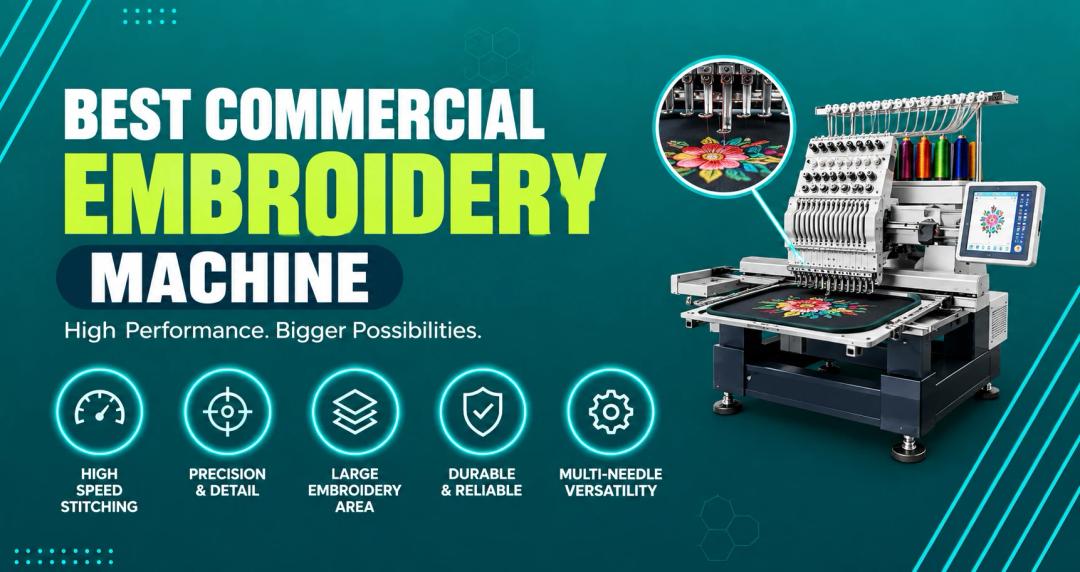
Melco markets the EMT16X specifically as a commercial cap embroidery machine — a 16-needle, single-head machine designed around cap production rather than adapted for it. It's a significant investment, but for shops that run caps as their core product, a purpose-built cap machine cuts far more setup time per hat than a converted flat-goods machine.
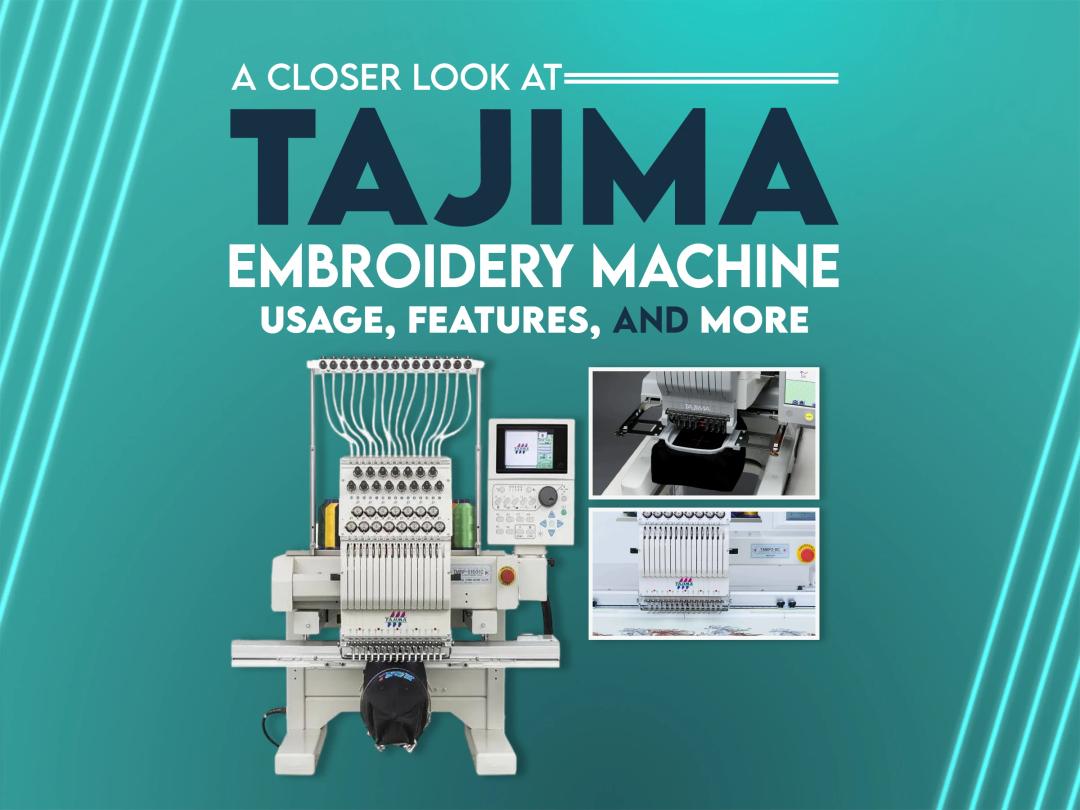
Tajima's commercial multi-head lines are a long-standing choice for contract embroiderers running large team and promotional-product orders, since multiple heads let a shop stitch several identical caps at once rather than one at a time. Shops running raised, textured logos on caps alongside flat designs often pair this tier of machine with 3D puff embroidery digitizing for extra dimension on the front panel.
Already have the machine — need the digitized file?
True Digitizing delivers stitch-ready files within 24 hours — trusted by 5,000+ USA embroiderers. We digitize specifically for cap frames, not just flat goods.
Start My Order at True Digitizing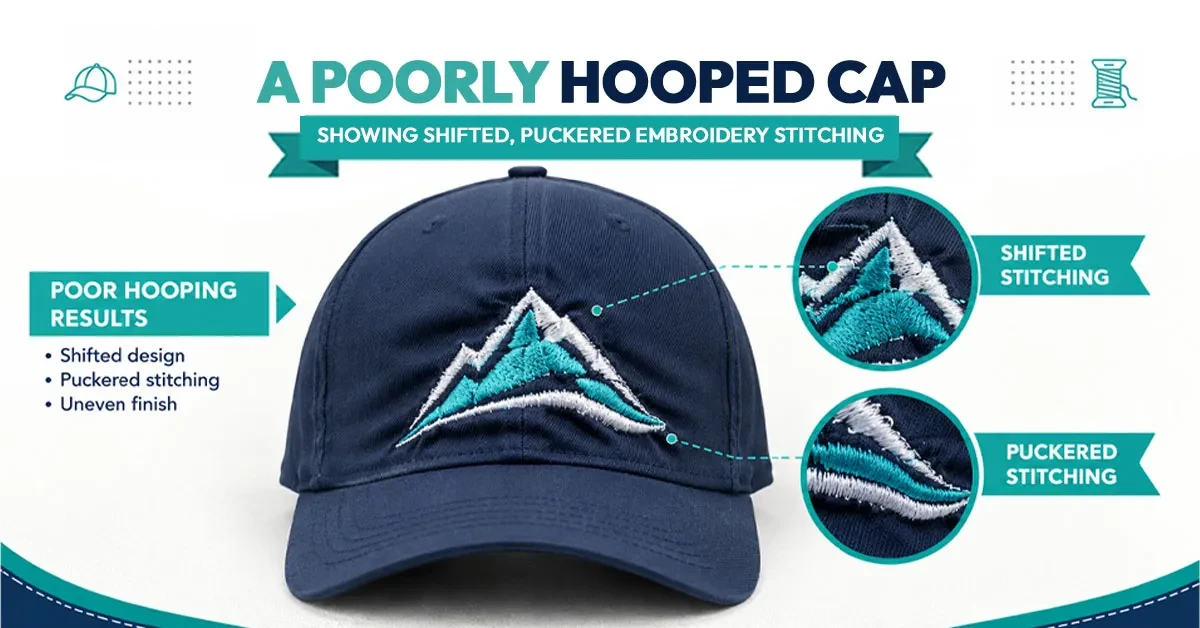
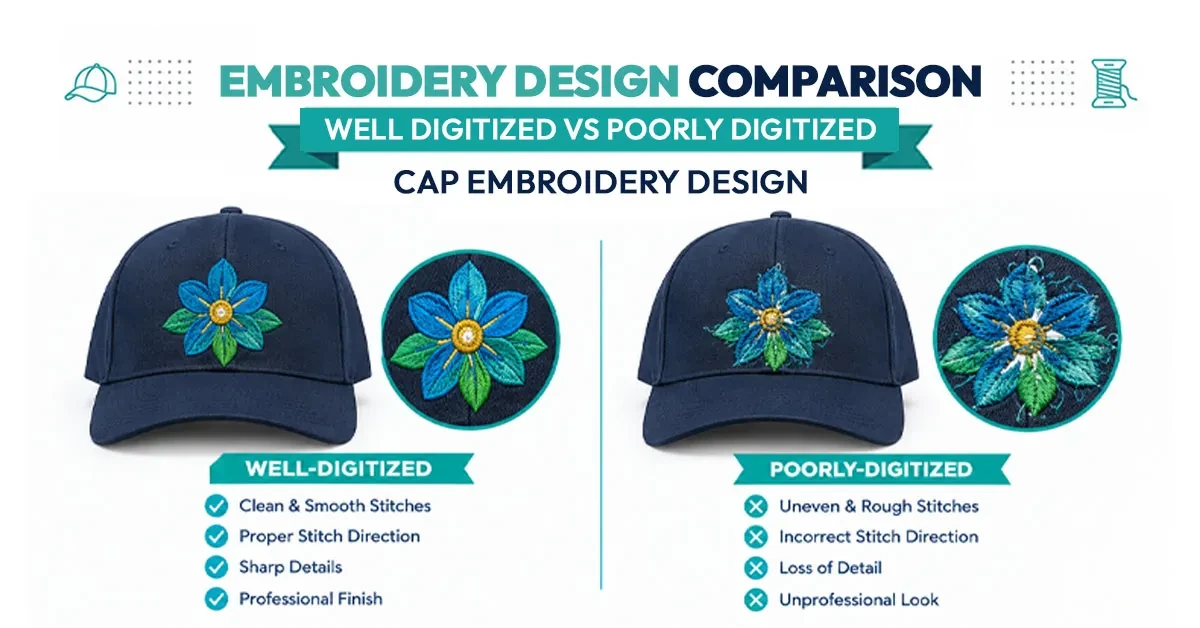
Owning the right machine solves half the problem. The other half is the embroidery file itself — a design digitized for a flat t-shirt will not stitch cleanly on a curved cap frame without adjustments to underlay, density, and stitch direction.
Pricing varies widely by needle count and intended use. As a general guide: single-needle beginner combo machines sit at the low end of the market, multi-needle small-business machines cost several times more, and purpose-built commercial cap machines represent the largest investment tier. Add a separate budget line for the cap hoop or cap frame attachment — on most brands, it's sold separately from the machine itself.
According to the University of Illinois Digital Arts fabrication lab's guidance on hooping fabric for embroidery, stable, properly tensioned hooping is one of the biggest factors in clean stitch-out quality — a point that applies even more on a curved cap frame than on flat goods (University of Illinois School of Art + Design). No matter which machine you choose, a poorly hooped cap will show shifted or puckered stitching regardless of how good the machine is. Georgia Tech's craft-and-fabrication wiki likewise notes that hoop tension and fabric stabilization are as important to final embroidery quality as the machine itself (Georgia Tech CCG Resources).
This is the single biggest decision point in this guide, and it comes down to color count and order volume rather than budget alone. A single-needle machine handles one thread color at a time, so a 5-color logo means manually re-threading the machine five times per hat. That's manageable for a handful of caps a week, but it becomes the slowest step in your workflow once you're running batches.
A multi-needle machine — typically 6, 7, 10, or 15 needles — pre-loads each color and switches automatically between them, so the machine runs unattended through a multi-color design. The tradeoff is upfront cost and a larger footprint. As a rule of thumb: if more than half your designs use three or more thread colors and you're running more than five to ten hats a week, the time saved on a multi-needle machine typically pays for the price difference within the first year.
Hoop style matters just as much as needle count. Most manufacturers sell two styles of cap attachment: a cap frame, which clamps the hat flat and works well for straightforward front-panel logos, and a cap driver, which rotates the hat under the needle and handles wraparound designs across the side seams. If you plan to stitch anything beyond a centered front-panel logo, confirm which style your shortlisted machine supports before you buy — it's not always interchangeable between brands.
Cap fabric — especially structured trucker mesh and stiff twill — is harder on a machine than flat cotton goods. Regular upkeep matters more here than on a standard embroidery machine, and it's usually the difference between a machine that lasts years and one that starts skipping stitches within months.
Match the machine to your order volume, not your ambitions. A beginner running a handful of hats and shirts a month doesn't need commercial equipment sitting idle most of the week, and a shop with steady contract orders will lose money running a single-needle machine that can't keep up. For a deeper look at scaling into multi-needle equipment as your order volume grows, see True Digitizing's guide to the best commercial embroidery machine options.
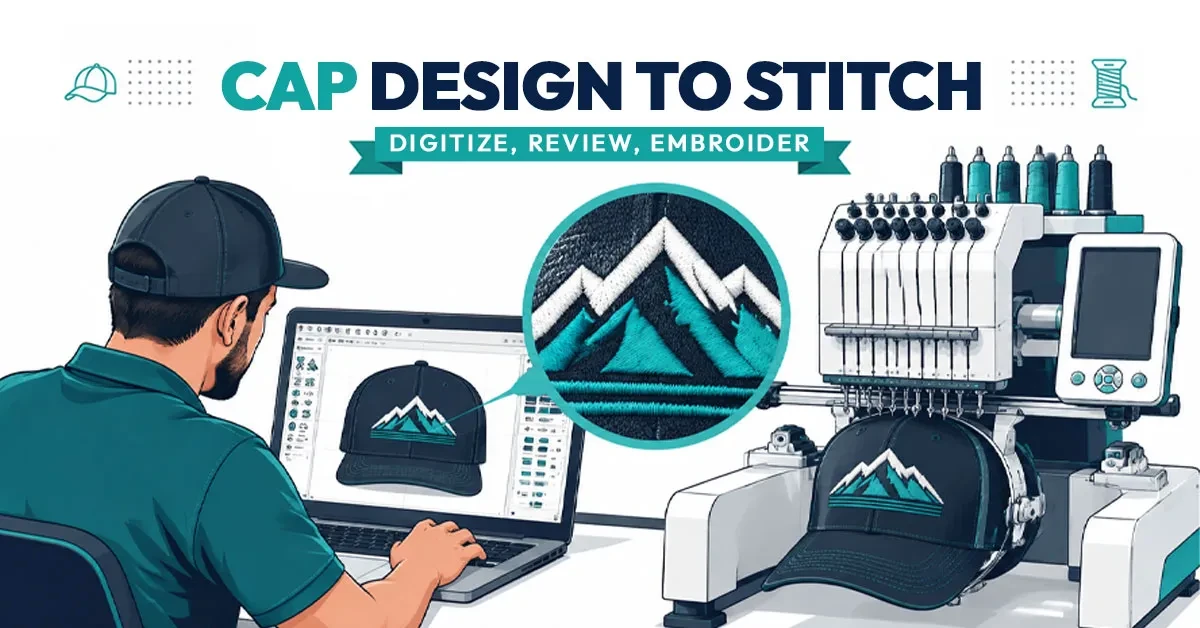
True Digitizing has helped 5,000+ USA embroiderers get professional stitch files since 2013. We digitize specifically for curved cap frames, so your machine — whichever one you choose — stitches it cleanly.
Get My Design Digitized by True Digitizing →Fast turnaround · truedigitizing.com · 100% satisfaction guaranteed
TrueDigitizing's team of embroidery digitizers and file conversion experts — delivering practical guides for home hobbyists and commercial shops alike. Our specialists cover the full range of embroidery production: custom digitizing for machine embroidery, vector art conversion, and physical embroidered patch manufacturing — with a 6-hour turnaround on digital files and worldwide patch delivery in 5 business days. Every article we publish comes from the same people handling real production orders daily. When we write about stitch density, underlay settings, or file formats, it is because we work with these variables across hundreds of client files every week — not because we researched them from the outside.
Categories
Embroidery Backing Guide: Types & How to Choose (2026)
11-10-2026
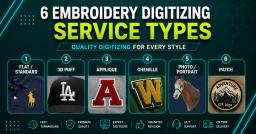
Embroidery Digitizing Services: Which Type Do You Need?
17-08-2026
How to Remove Embroidery From Any Fabric — Step-by-Step Guide 2026
15-07-2026
Is SVG a Vector File? Yes — SVG vs EPS, PNG, PDF Vector Formats you need to know
08-07-2026
Embroidery Trends 2026: What's Hot in Machine & Hand Embroidery | TrueDigitizing
26-06-2026
Top Best Embroidery Digitizing Software in 2026
06-05-2026
Best Multi-Needle Embroidery Machines for Startups (2026)
28-02-2026
DST File: The Complete Guide (What It Is, How to Create, Convert & Use in 2026)
28-02-2026
Janome 550E vs Baby Lock Flare | Best Mid-Range Embroidery Machine?
26-02-2026
Choose the Right Fabric for Embroidery
20-02-2026
Asked Questions