At True Digitizing, we transform your creative spark into flawless, high-quality embroidery digitized designs that bring your vision to life.
Our Blogs
We Accept

Copyright 2025 Truedigitizing


At True Digitizing, we transform your creative spark into flawless, high-quality embroidery digitized designs that bring your vision to life.
We Accept
Copyright 2025 Truedigitizing
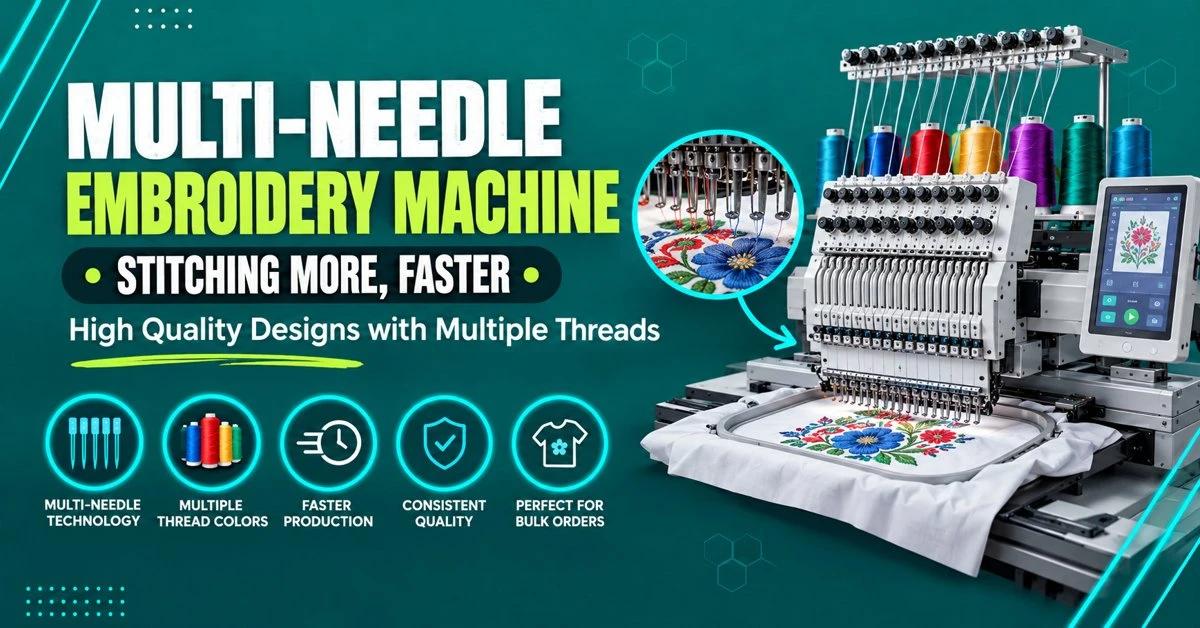


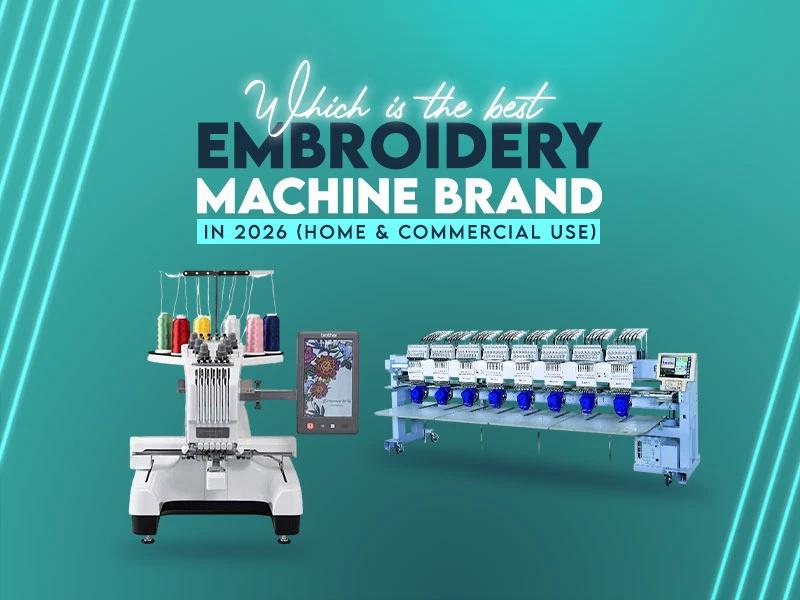
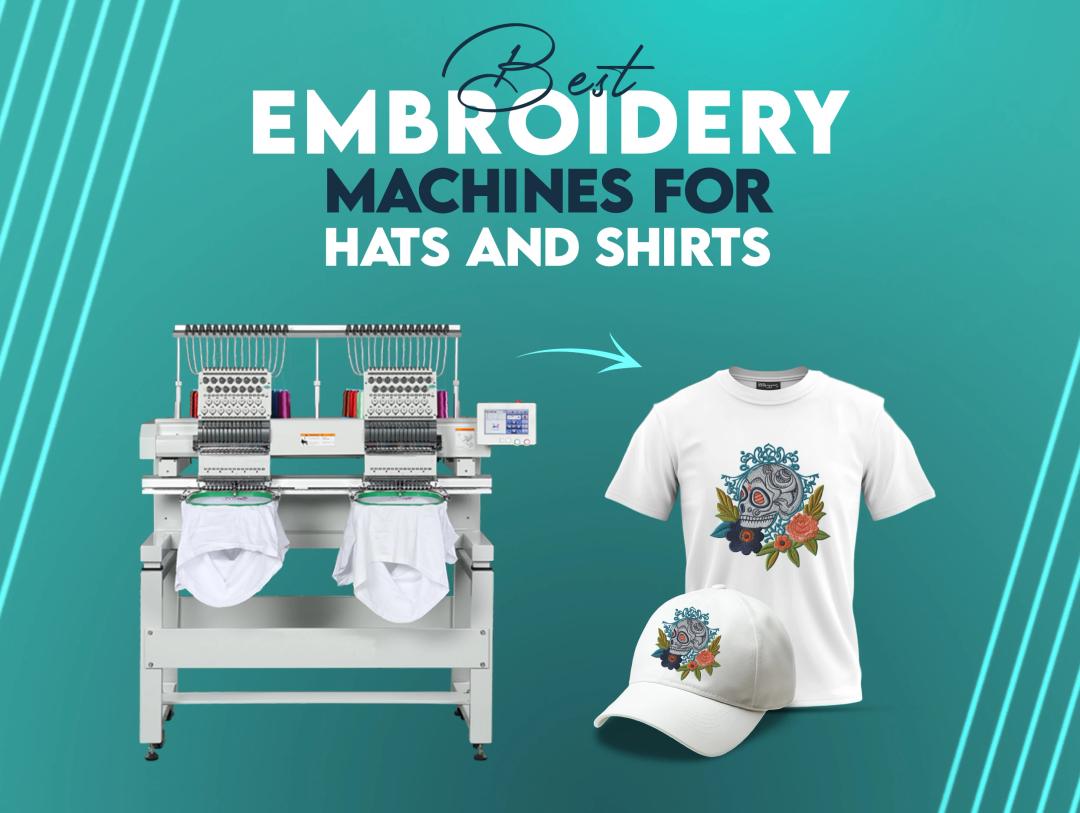
The best multi-needle embroidery machine depends on your needle count needs and budget. Entry commercial 6-needle machines from Brother and Baby Lock typically run $8,000–$13,000, while 10-to-16-needle models from the same brands and from Tajima, Barudan, and Melco start closer to $13,000 and climb from there. For a first upgrade from a single-needle home machine, a 6-needle Brother or Baby Lock model usually gives you the best balance of cost, needle count, and support.
Picking the best multi-needle embroidery machine gets confusing fast once you start comparing needle counts, brand names, and prices that vendors rarely show on their own websites. Beginners usually start on a single-needle home machine, then run into the same wall: color changes on a detailed logo mean stopping and re-threading over and over, and a jacket back or a batch of caps turns into an afternoon of manual thread swaps.
A multi-needle machine removes that bottleneck by pre-loading several thread colors at once, so the machine switches colors on its own mid-design. This guide walks through what actually separates single-needle and multi-needle machines, real 2026 pricing from Brother and Baby Lock's own retail listings, how the major brands compare, and what True Digitizing customers should weigh before buying one.
Already own a multi-needle machine? Let True Digitizing handle the files.
True Digitizing has completed 20,000+ designs for USA embroiderers over 13+ years. Submit your logo through the True Digitizing order form and get back a stitch-ready file matched to your machine's needle count and hoop size.
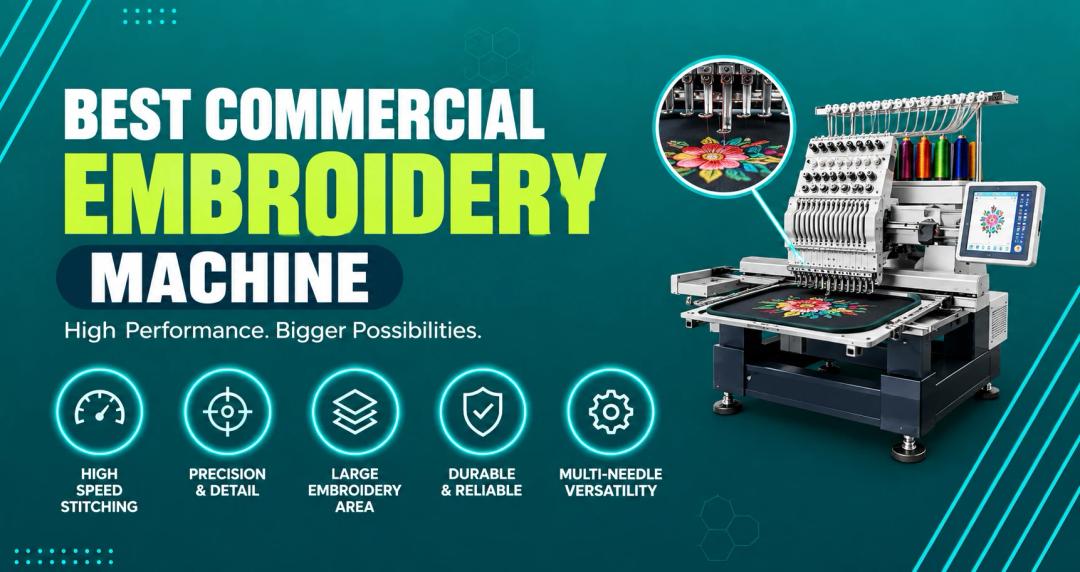
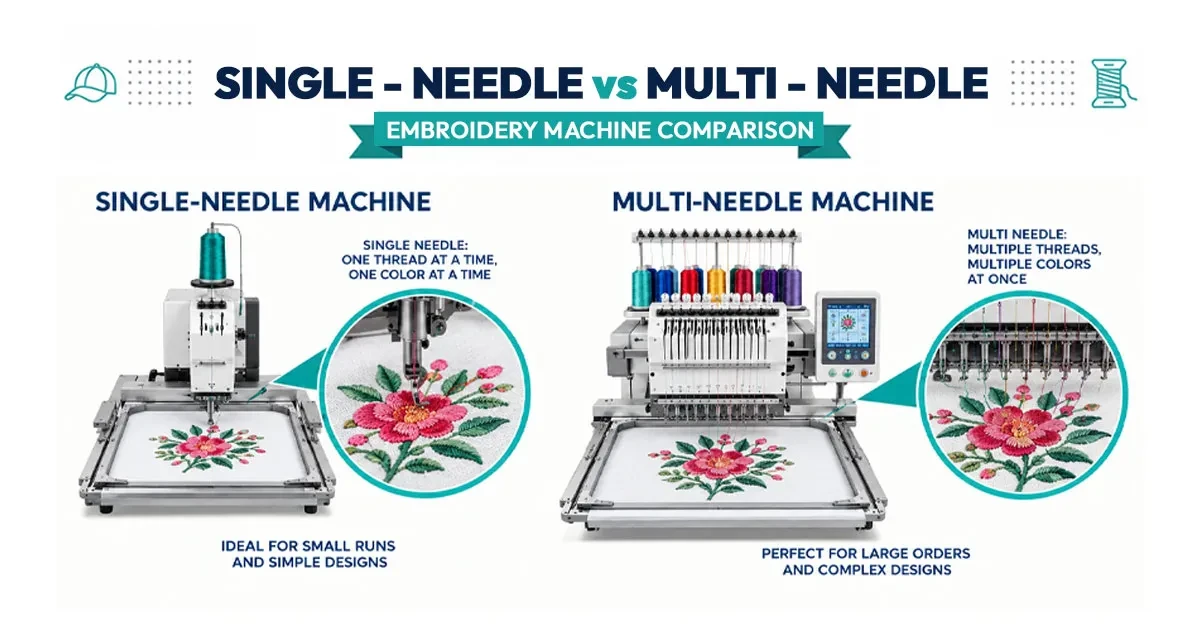
Get a Free Quote — True DigitizingA single-needle machine holds one thread at a time. Every color change means stopping, cutting the old thread, and re-threading the new color by hand — fine for one-off gifts, slow for anything with more than two or three colors. A multi-needle machine loads 4 to 16 threads at once (the exact count depends on the model) and switches between them automatically as the design calls for each color.
The trade-off is cost and footprint. Multi-needle machines are larger, heavier, and priced for production use rather than occasional hobby projects. If you're only stitching a handful of pieces a month, a single-needle machine is still the more practical buy. If you're running orders with 4+ colors on a regular schedule — team logos, cap fronts, jacket backs — the time saved on re-threading is usually what justifies the jump.
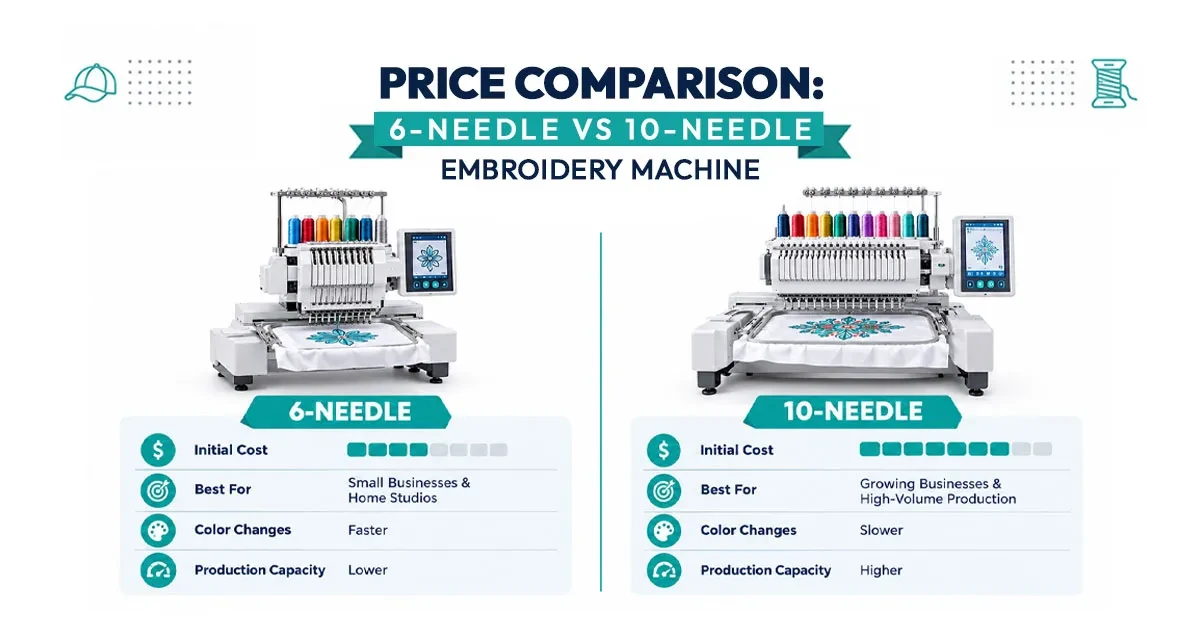
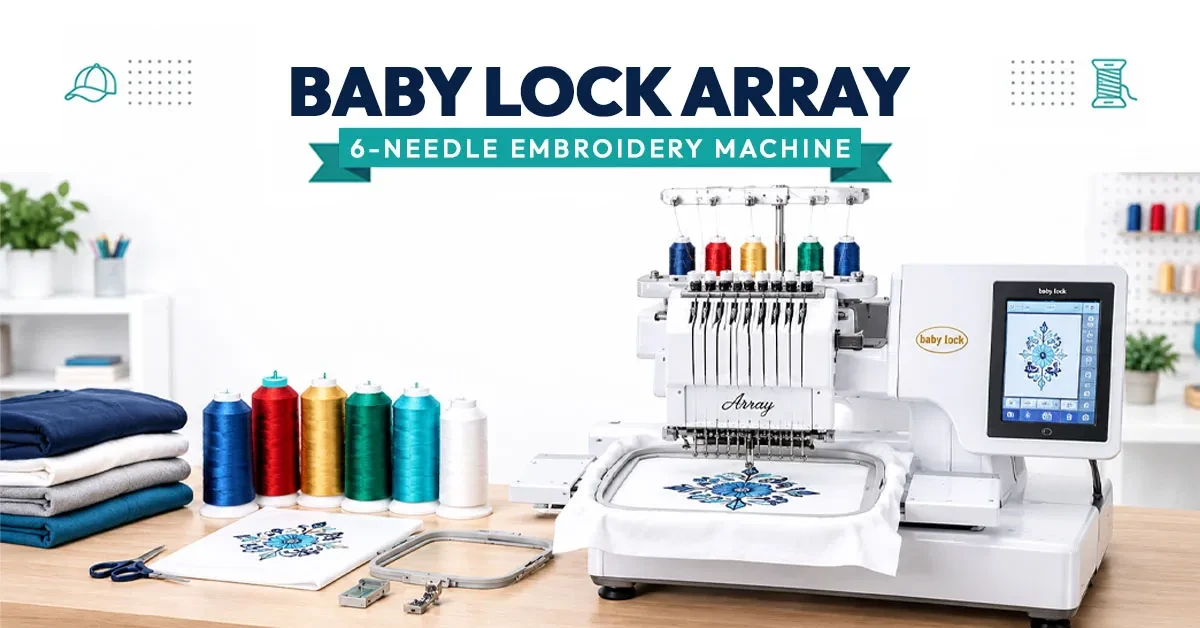
Real pricing is the piece most embroidery machine round-ups skip, so here's what the two biggest multi-needle brands were actually charging on their own retail listings as of this refresh. Brother's Entrepreneur PR680W, a 6-needle commercial machine, was listed at $12,999.99 (marked down from $15,199.99) through Meissner Sewing's Brother multi-needle collection. Baby Lock's 6-needle Array sat in a similar $13,117–$14,574 range on Baby Lock's own multi-needle machine page, while its 10-needle Venture 2 was listed for quote rather than a posted price — typical for higher-needle-count industrial models.
As a rough planning range: expect $8,000–$13,000 for an entry 6-needle commercial machine, $13,000–$18,000 for a 10-needle model, and $18,000 and up for 15- to 16-needle machines from brands like Tajima, Barudan, and Melco, which are built for shops running caps, jackets, and bulk orders all day. Financing plans through embroidery-machine dealers are common and can bring the monthly cost down meaningfully if buying outright isn't realistic yet.
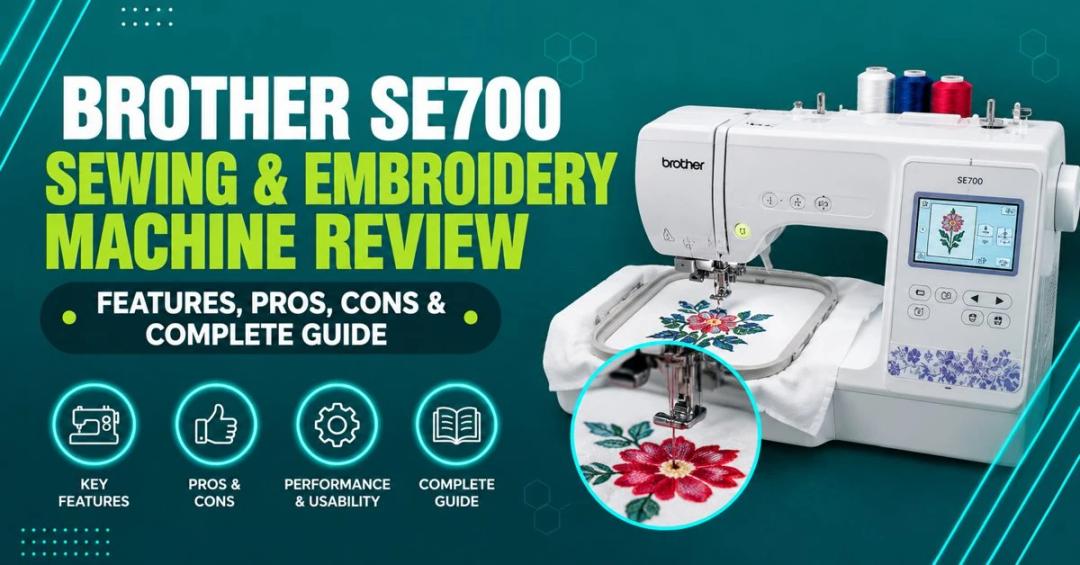
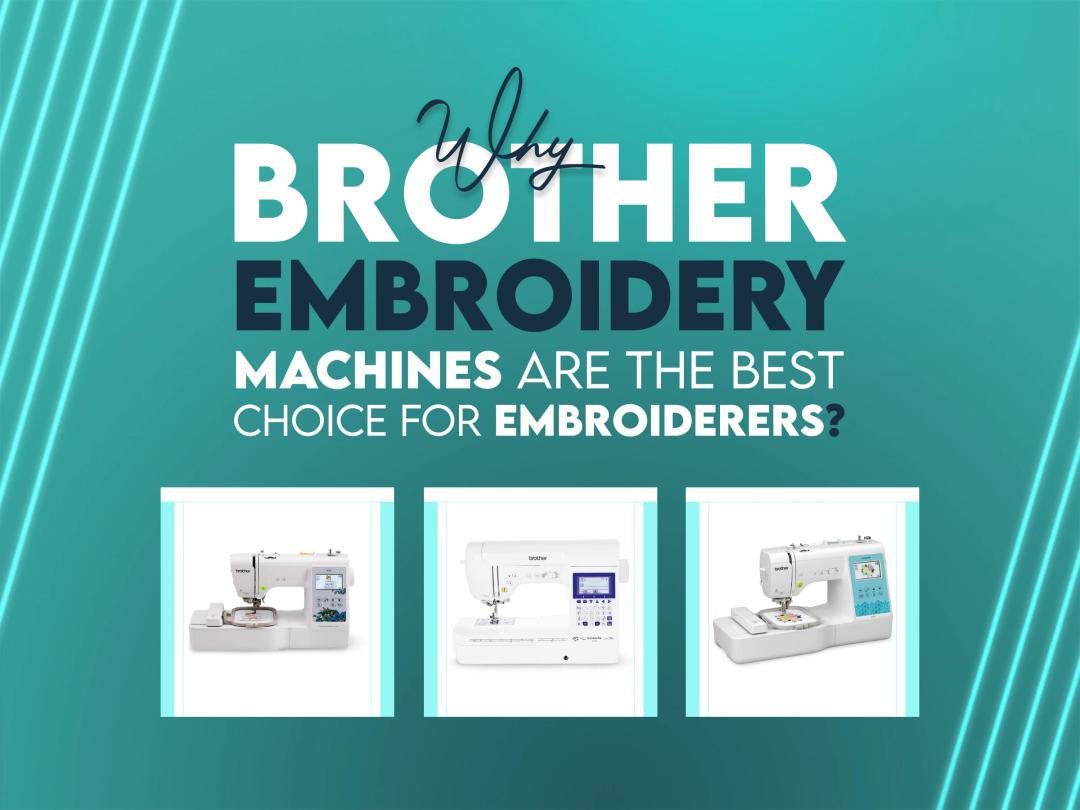
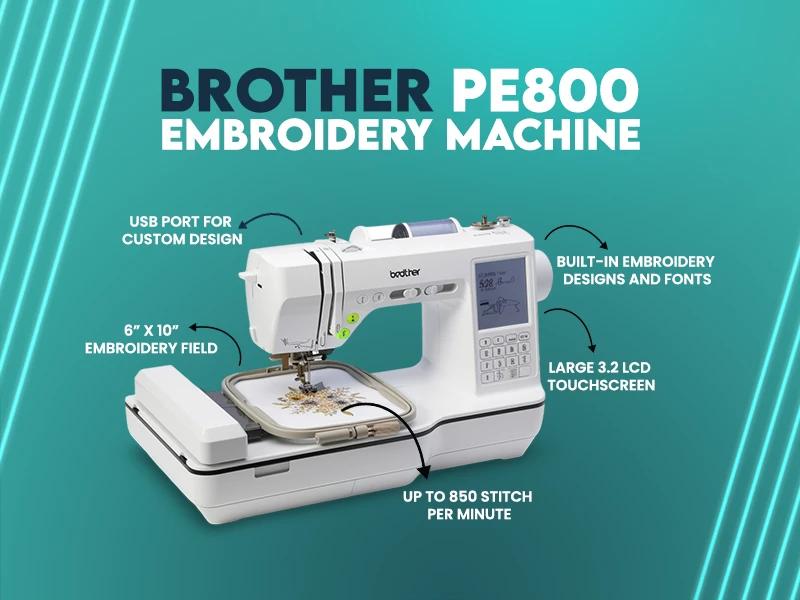
Brother remains one of the most widely serviced multi-needle brands in the US, which matters as much as the machine itself — parts, hoops, and repair techs are easy to find almost anywhere. The 10-needle PR1055X handles caps, flat garments, and small logo runs with a large preview screen and strong color-change handling, while the 6-needle PR670E is the more beginner-friendly entry point, built for hats, left-chest logos, and promotional runs. The newer Entrepreneur PR680W (also 6-needle) is the current model showing up in Brother's own retail listings at the price above. For a closer look at how Brother's full lineup compares outside multi-needle machines, see our Brother embroidery machines guide.
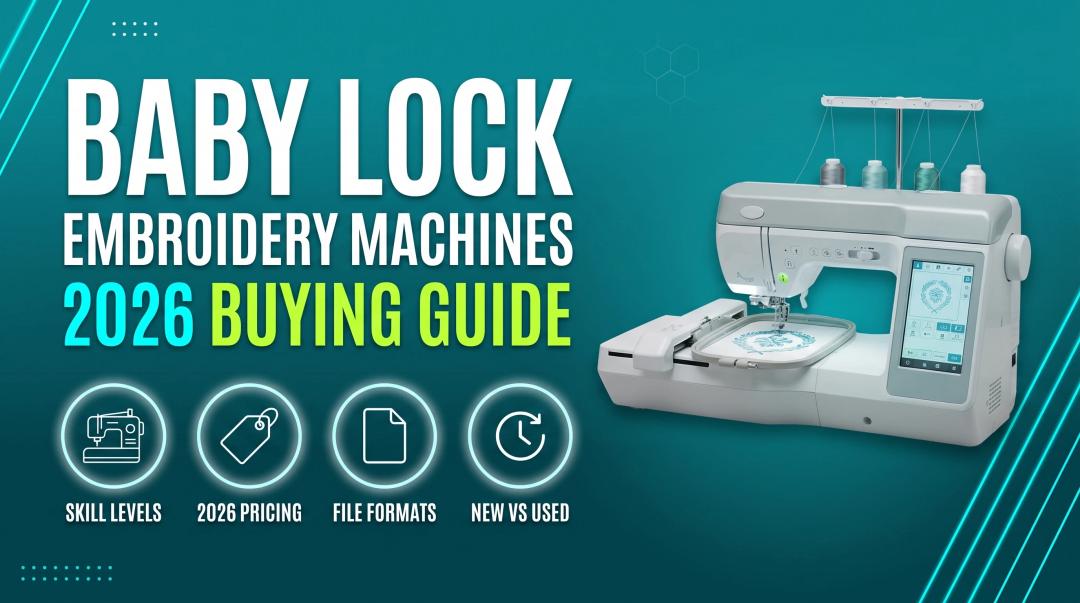
Baby Lock's multi-needle line is built around a simpler learning curve without giving up commercial output. The 10-needle Valiant offers a comfortable interface and steady stitch stability, and the Enterprise adds smoother cap-frame rotation and clearer on-screen navigation — both aimed at shops moving from a single-needle home setup into their first real production machine. On the higher end, the 6-needle Array and 10-needle Venture 2 (both listed on Baby Lock's own site, priced above) push further into industrial territory with larger embroidery fields and higher built-in design counts.
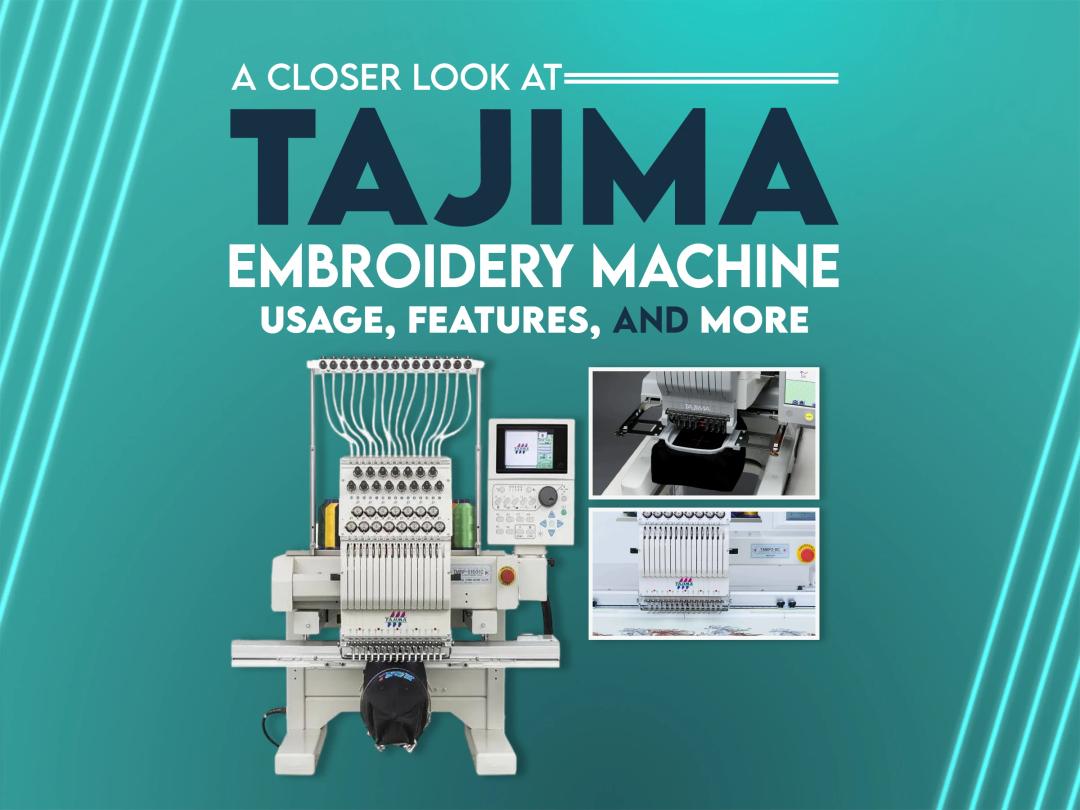
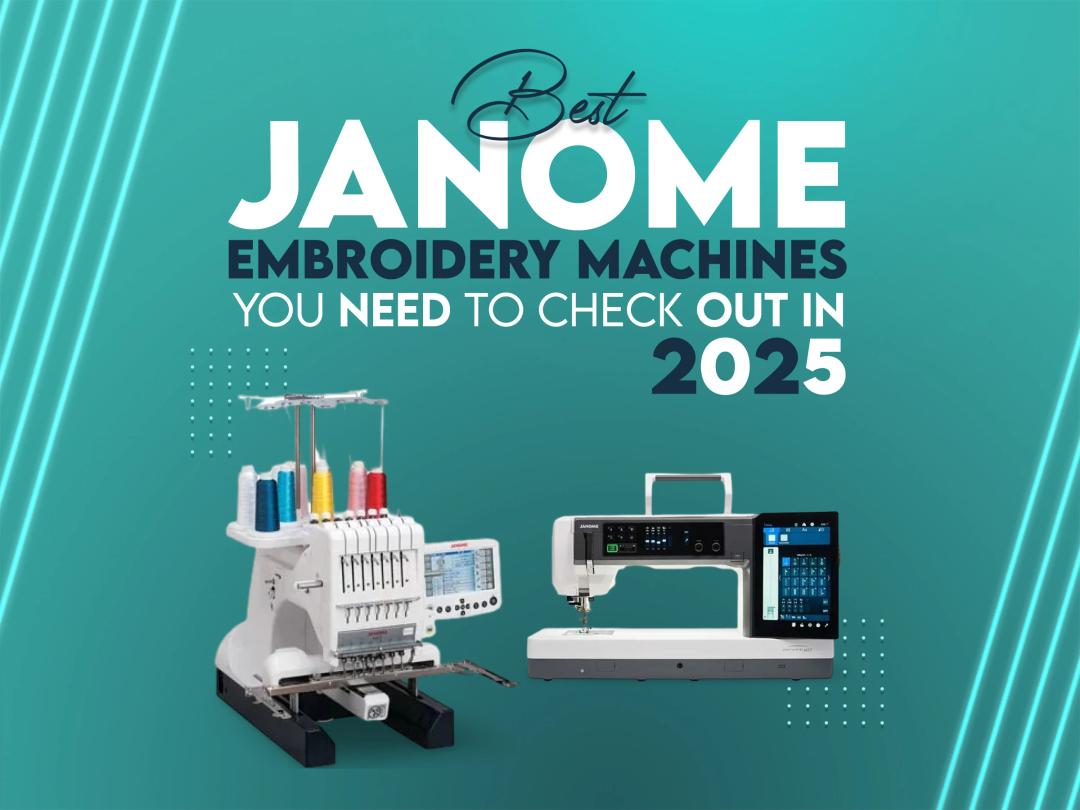
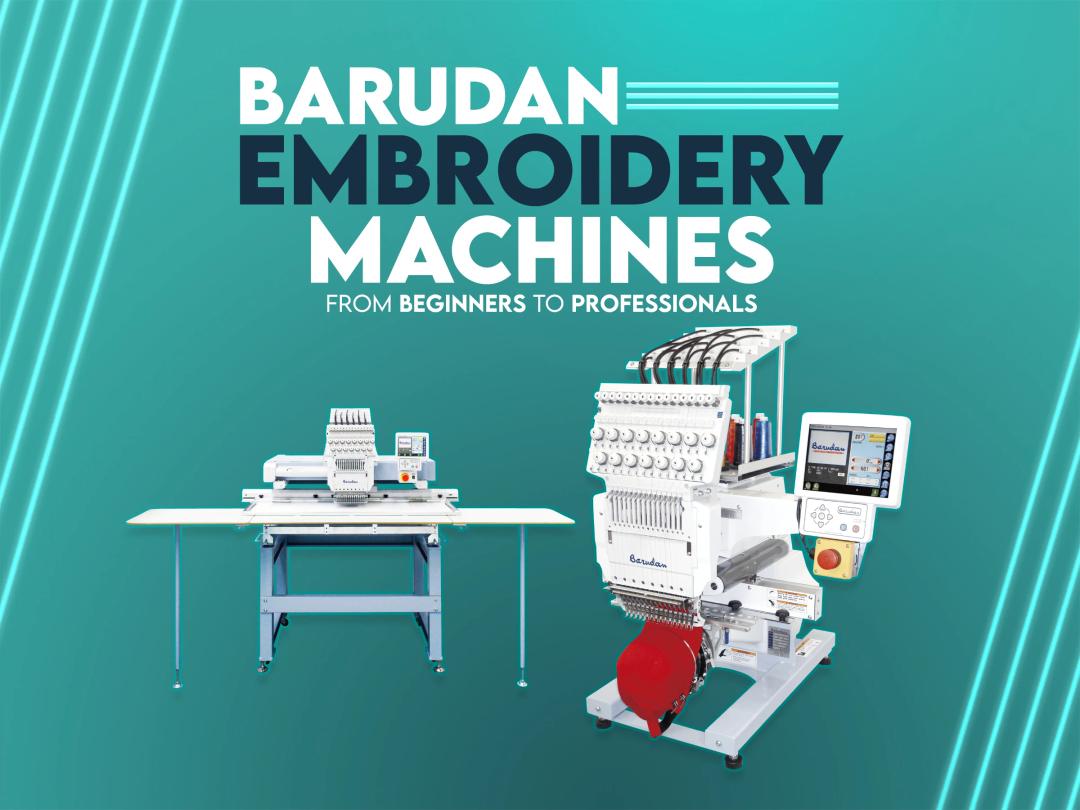
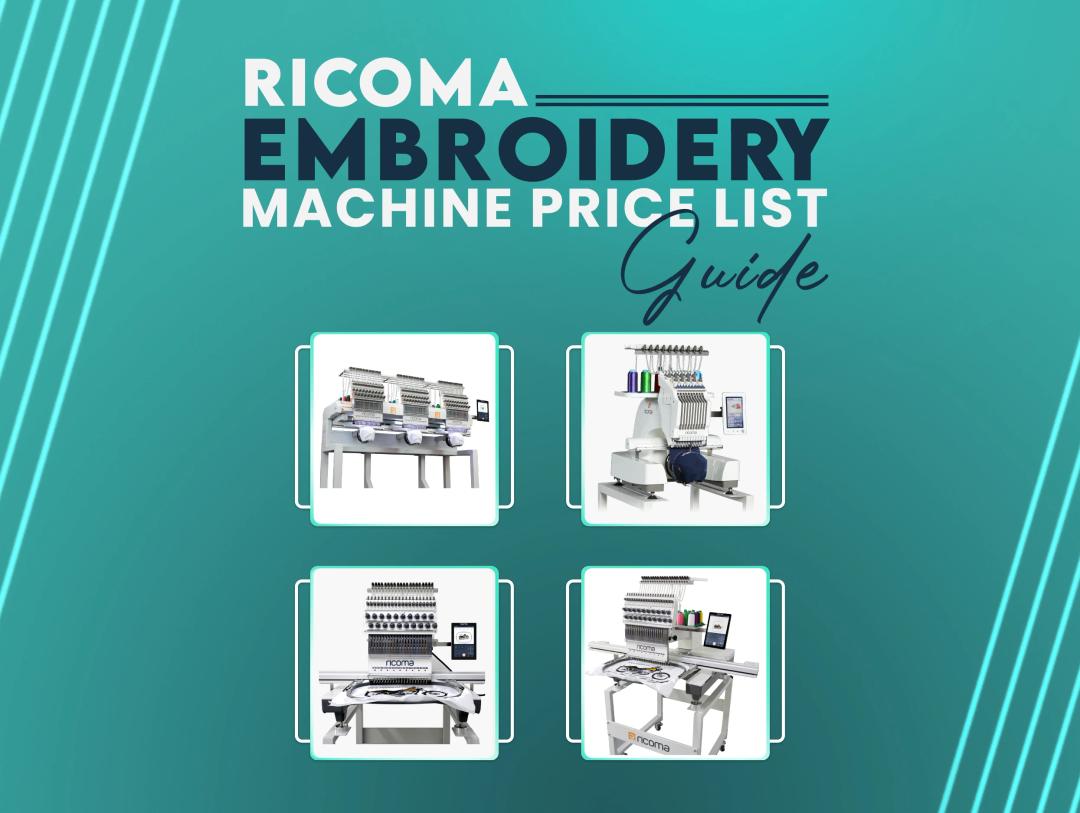
Beyond Brother and Baby Lock, a handful of brands dominate different corners of the market. Tajima and Barudan are the two names you'll hear most in commercial embroidery shops running bulk orders — both are built for thousands of stitch hours with minimal thread breaks, and Barudan in particular has a reputation for machines still running reliably after a decade of daily use. SWF and Ricoma sit closer to the affordable end of commercial-grade, often chosen by shops moving up from a home setup for the first time. Melco's modular design lets a shop add extra embroidery heads as volume grows instead of replacing the whole machine, and Bernina and Janome round out the field with a focus on precision stitching and simpler controls, respectively.
| Brand / Model | Needles | Approx. Price (2026) | Best For |
|---|---|---|---|
| Brother PR680W | 6 | $12,999.99* | First commercial upgrade |
| Brother PR1055X | 10 | Check current retailer pricing | Caps, flat garments, logo runs |
| Baby Lock Array | 6 | $13,117–$14,574* | Larger embroidery field |
| Baby Lock Venture 2 | 10 | Quote only | Home-to-business shift |
| Tajima TMBP-SC | 15 | Check current retailer pricing | Bulk commercial orders |
| Barudan BEKT-S1501CII | 15 | Check current retailer pricing | 3D puff, dense fill stitching |
| Melco EMT16X | 16 (modular) | Check current retailer pricing | Scaling production over time |
*Prices confirmed on Brother's and Baby Lock's own retail listings at the time of this refresh (September 2026) and are subject to change — always confirm current pricing directly with the retailer before buying.
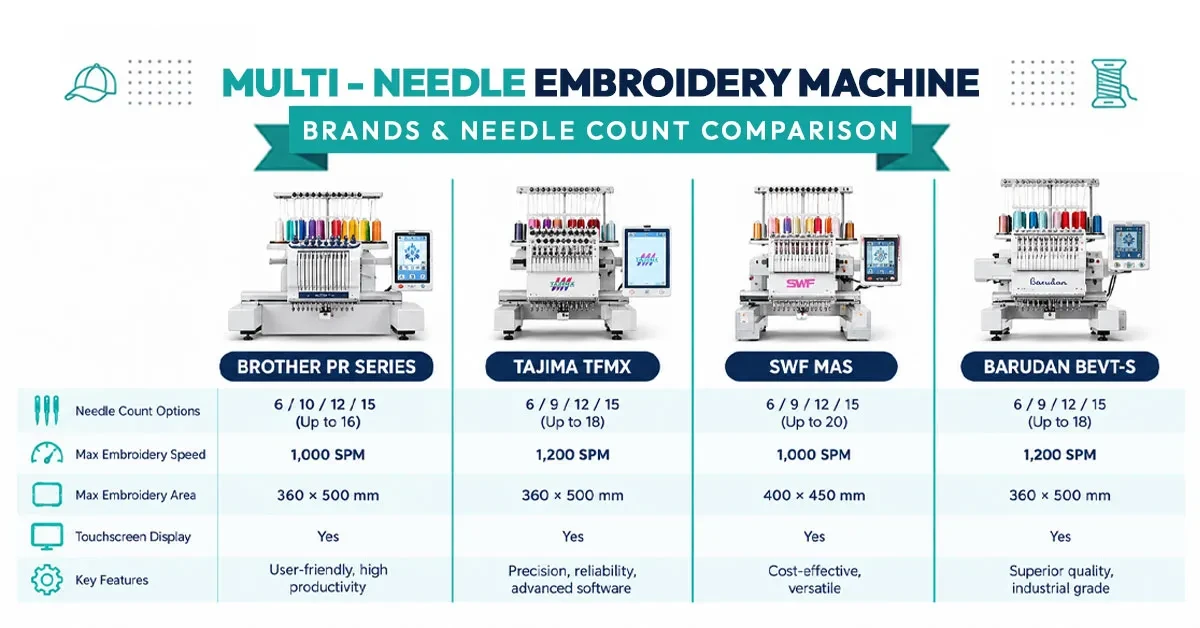
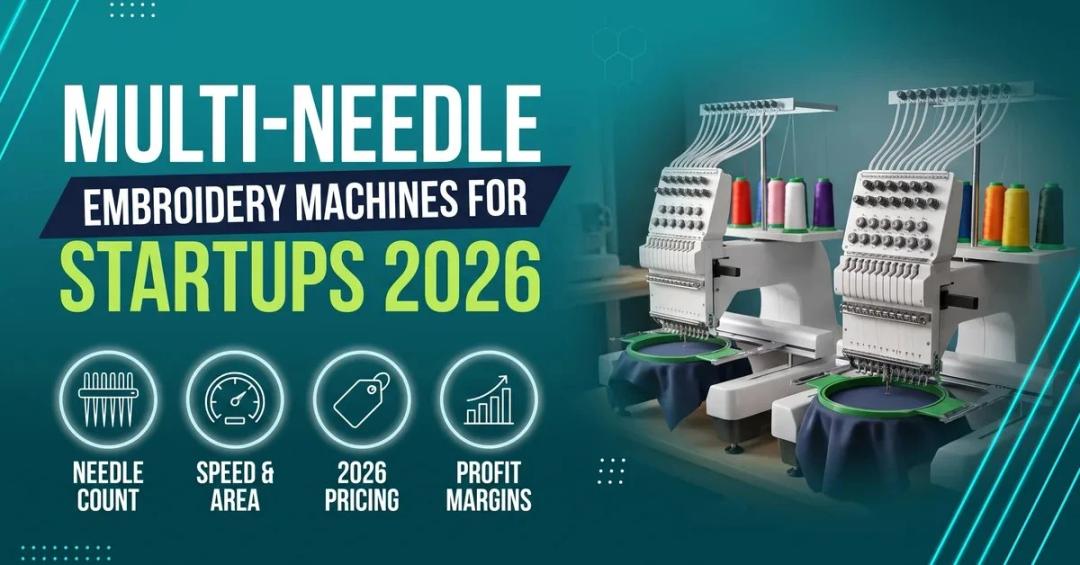
Needle count should match how many colors your typical order actually uses, not how many you might theoretically want. A shop running mostly 2-4 color logos on caps and left-chest embroidery rarely needs more than 6 needles — the extra heads on a 15-needle machine just sit unused. Shops taking on detailed multi-color jackets, sports team uniforms, or dense 3D puff caps benefit more from 10-16 needles, since those designs often cycle through more colors per run and the time saved on manual re-threading compounds quickly at that volume. If you're just starting out and comparing options against our multi-needle machines for startups guide, a 6-needle model is almost always the safer first purchase — you can always add a second head or upgrade once order volume justifies it.
Order volume matters just as much as color count. A shop turning around 20-30 pieces a week can usually keep a single 6-needle head busy without much idle time, while a shop promising same-day or next-day turnaround on 100+ pieces a week starts running into real scheduling limits on a single head — that's when a second machine or a higher-needle multi-head setup like Melco's modular line starts to pay for itself. Hoop size is the other variable worth checking before you buy: a machine with a small standard hoop can still handle jacket backs and oversized team logos, but only if you're willing to pay extra for a jumbo hoop attachment, so confirm the maximum embroidery field before assuming a model fits your typical order.
Get files ready for whatever machine you choose
True Digitizing delivers stitch-ready files within 24 hours — trusted by 5,000+ USA embroiderers. Whether you're running a 6-needle Brother or a 16-needle Melco, True Digitizing digitizes to your exact hoop and needle setup.
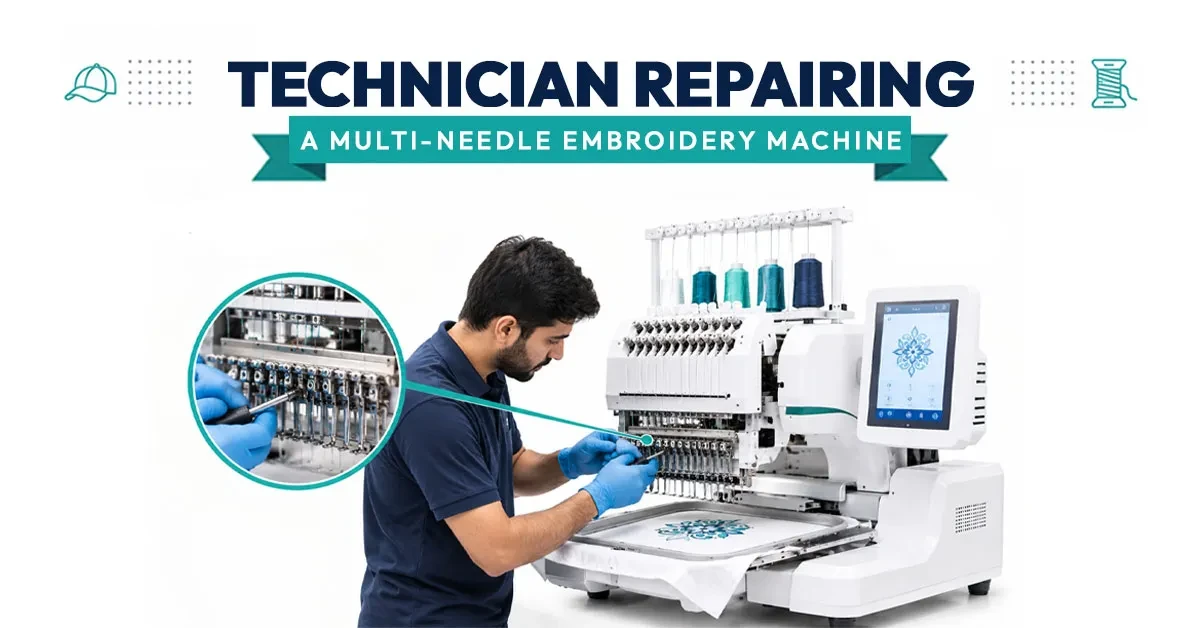
Start My Order at True DigitizingThe purchase price is only part of what a multi-needle machine costs over time. Budget for routine needle replacement (needles dull faster on dense or metallic-thread designs), bobbin and hook-timing servicing, and periodic professional tune-ups — especially on machines running daily commercial hours. Brands with a strong US service network, like Brother and Baby Lock, tend to keep repair costs and wait times lower simply because parts and technicians are easier to find.
A used commercial machine can cut the entry price significantly, but it comes with real risk: worn hook timing, an outdated control board, or a missing warranty can turn a discount into an expensive repair bill within months. If buying used, insist on seeing the machine run a live stitch-out, ask for maintenance records, and confirm parts are still available for that model year. First-time buyers who are still comparing options are usually better served starting with our best embroidery machines for beginners guide before stepping up to a used commercial unit.
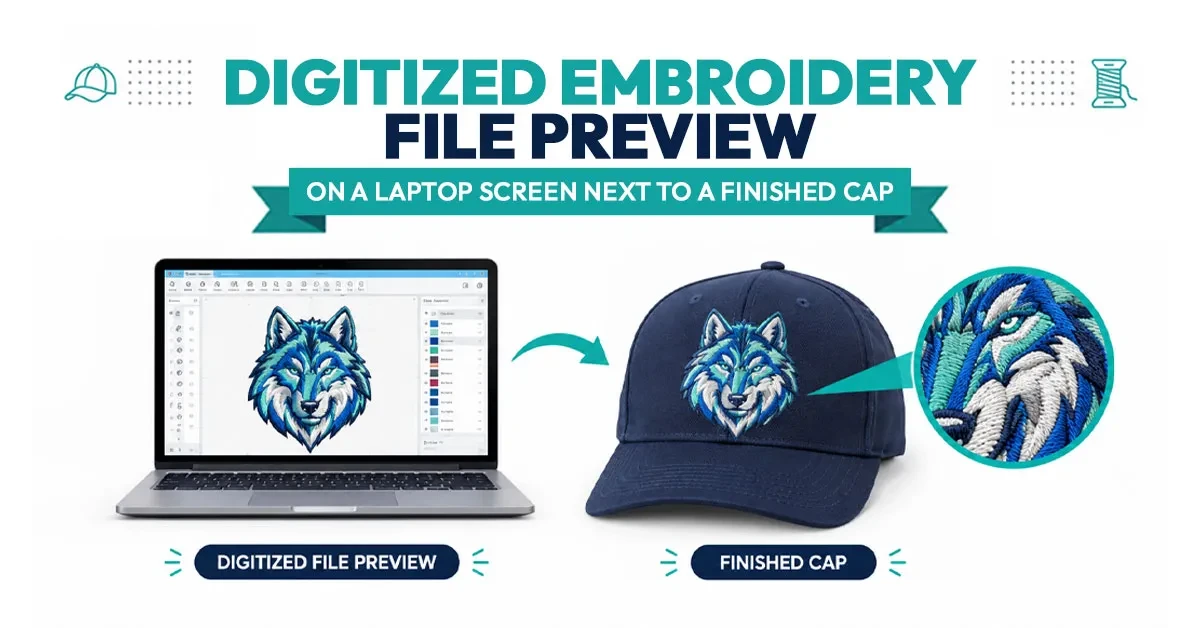
Whichever brand you land on, the machine is only half the equation — the stitch file behind it determines whether the design actually runs cleanly. True Digitizing's custom embroidery digitizing service builds files to your machine's exact needle count and hoop size, and for cap and jacket-back orders specifically, our embroidered patches service covers the finishing options multi-needle shops ask for most.
True Digitizing has helped 5,000+ USA embroiderers get professional stitch files since 2013. Submit your artwork and get a machine-ready file back, matched to your exact needle count and hoop size.
Get My Design Digitized by True Digitizing →Fast turnaround · truedigitizing.com · 100% satisfaction guaranteed
TrueDigitizing's team of embroidery digitizers and file conversion experts — delivering practical guides for home hobbyists and commercial shops alike. Our specialists cover the full range of embroidery production: custom digitizing for machine embroidery, vector art conversion, and physical embroidered patch manufacturing — with a 6-hour turnaround on digital files and worldwide patch delivery in 5 business days. Every article we publish comes from the same people handling real production orders daily. When we write about stitch density, underlay settings, or file formats, it is because we work with these variables across hundreds of client files every week — not because we researched them from the outside.
Categories
Embroidery Backing Guide: Types & How to Choose (2026)
11-10-2026
Embroidery Digitizing Services: Which Type Do You Need?
17-08-2026
How to Remove Embroidery From Any Fabric — Step-by-Step Guide 2026
15-07-2026
Is SVG a Vector File? Yes — SVG vs EPS, PNG, PDF Vector Formats you need to know
08-07-2026
Embroidery Trends 2026: What's Hot in Machine & Hand Embroidery | TrueDigitizing
26-06-2026
Top Best Embroidery Digitizing Software in 2026
06-05-2026
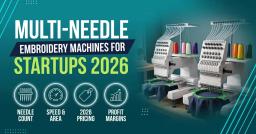
Best Multi-Needle Embroidery Machines for Startups (2026)
28-02-2026
DST File: The Complete Guide (What It Is, How to Create, Convert & Use in 2026)
28-02-2026
Janome 550E vs Baby Lock Flare | Best Mid-Range Embroidery Machine?
26-02-2026
Choose the Right Fabric for Embroidery
20-02-2026
Asked Questions