At True Digitizing, we transform your creative spark into flawless, high-quality embroidery digitized designs that bring your vision to life.
Our Blogs
We Accept

Copyright 2025 Truedigitizing


At True Digitizing, we transform your creative spark into flawless, high-quality embroidery digitized designs that bring your vision to life.
We Accept
Copyright 2025 Truedigitizing
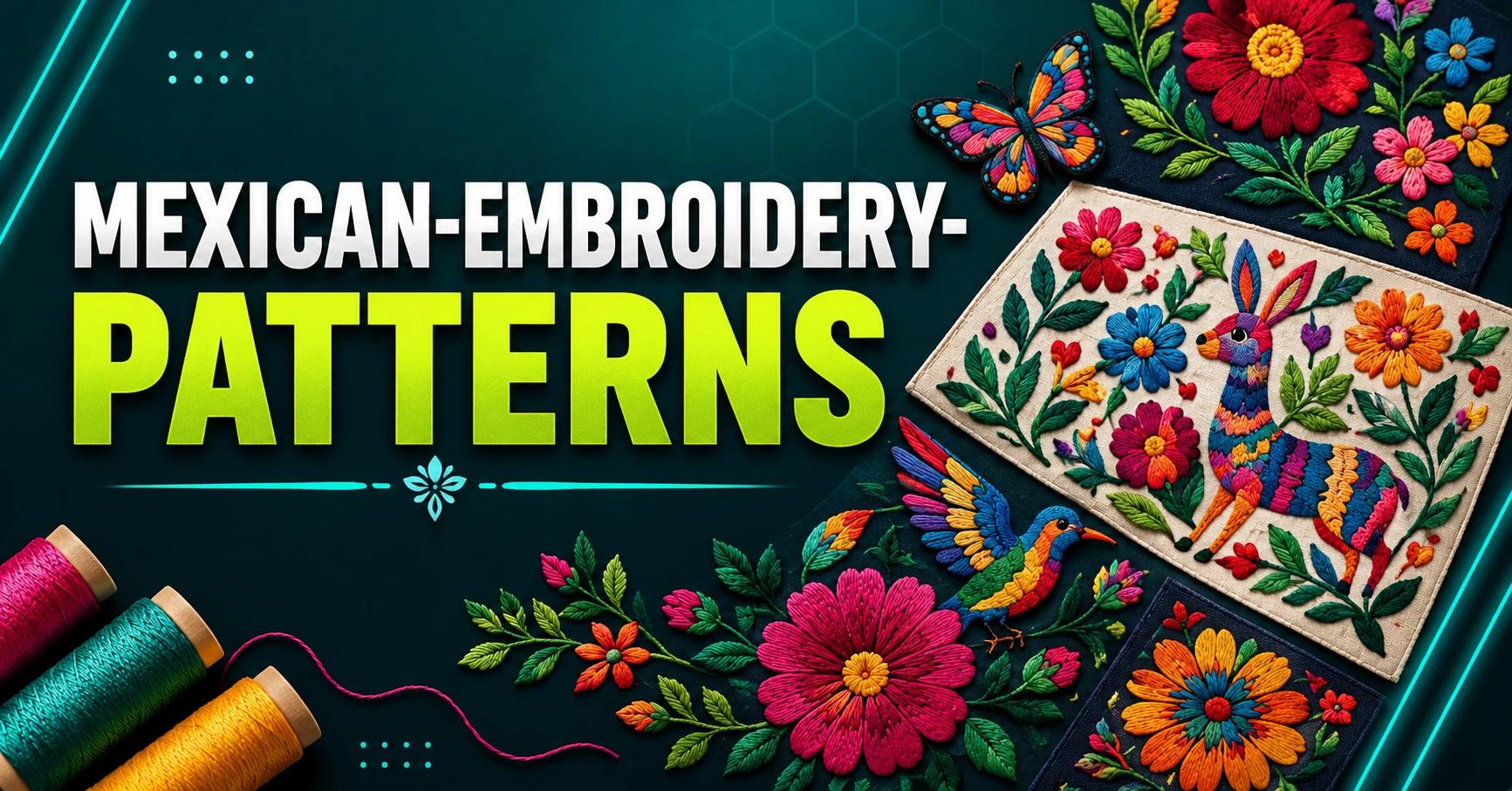


The best Mexican embroidery patterns come from Otomi (bold animal and floral motifs on white cotton), Oaxacan (geometric flowers in saturated color blocks), and huipil-style designs (symmetrical panels with birds and vines). All three translate well to modern apparel once digitized — True Digitizing turns any of these traditional patterns into a stitch-ready machine embroidery file.
Mexican embroidery patterns are some of the most recognizable folk art designs in the world — bold florals, animal figures, and geometric borders passed down through generations of hand stitchers in states like Hidalgo, Oaxaca, and Chiapas. If you're decorating apparel, home textiles, or a small-batch product line, these patterns bring instant color and personality that generic clip-art designs can't match.
This guide breaks down 20+ of the best Mexican embroidery patterns by region and style, explains what separates hand-stitched originals from machine-ready versions, and shows how True Digitizing converts any of these designs into a clean, stitch-ready embroidery file for your machine.
Have a Mexican embroidery pattern you want on a machine file?
True Digitizing has completed 20,000+ designs for USA embroiderers over 13+ years. Send us any photo or sketch of the pattern and get a clean, stitch-ready file back.
Get a Free Quote — True DigitizingMexican embroidery isn't one single style — it's a collection of regional traditions, each tied to a specific community and textile technique. The Victoria and Albert Museum traces much of this tradition to indigenous weaving and stitching practices that predate Spanish colonization, later blended with European floral motifs brought over in the 16th century.
Three traits show up across almost every regional style: saturated, high-contrast thread colors; symmetrical or mirrored layouts; and a strong nature theme — birds, deer, rabbits, and flowers appear constantly. That combination is exactly why these patterns photograph and stitch so well on modern apparel.
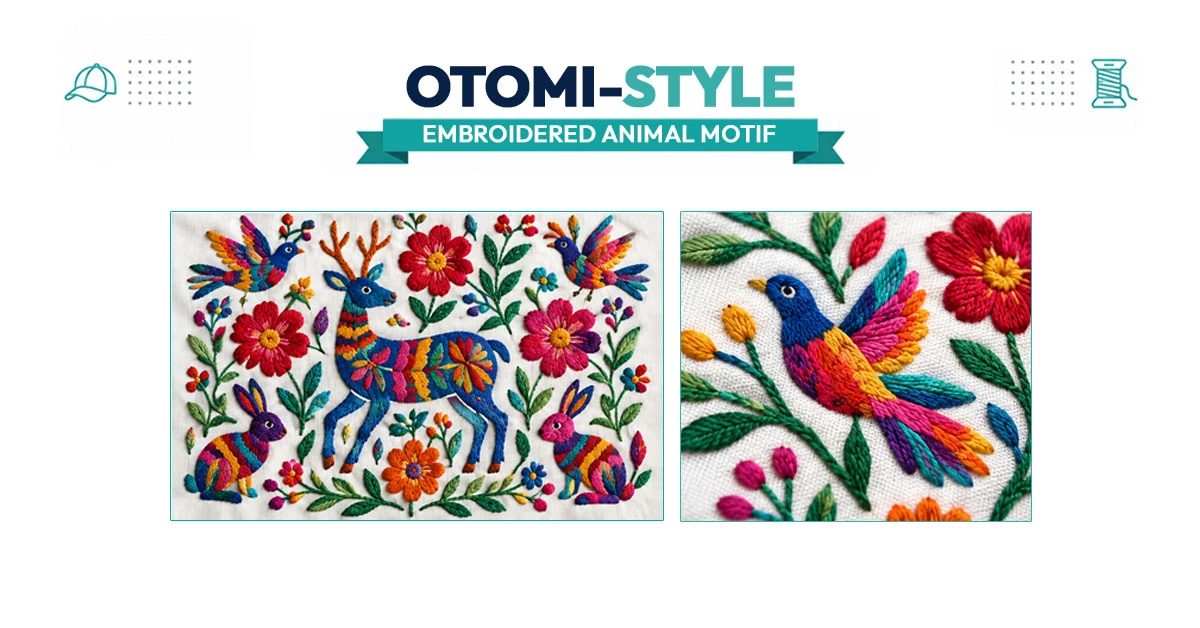
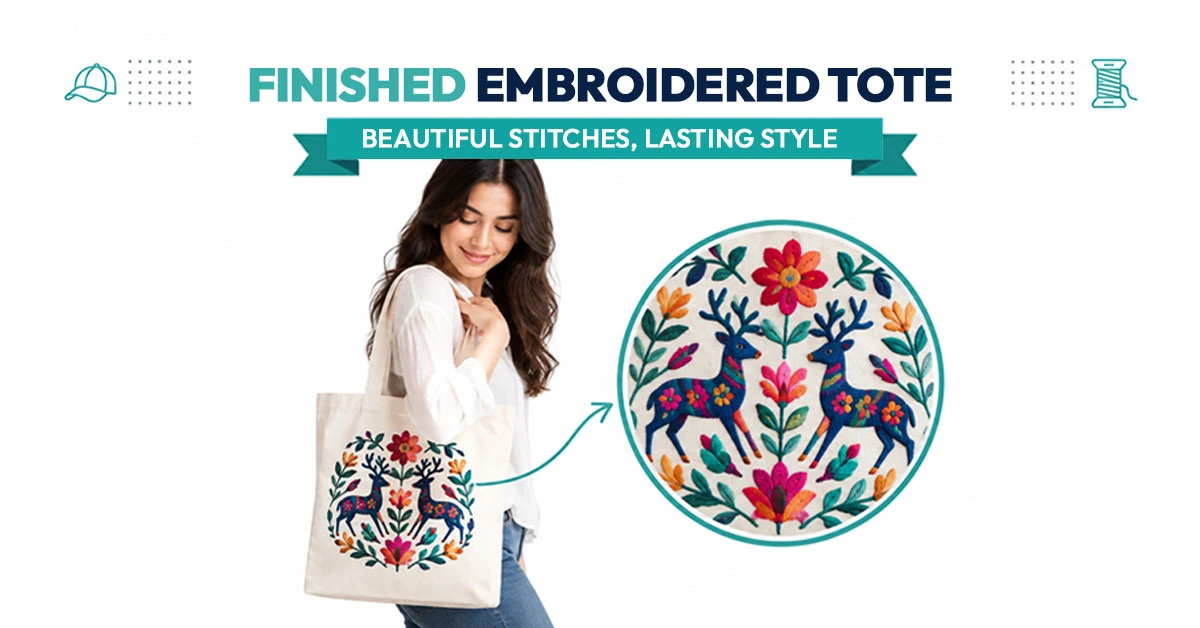
Otomi embroidery comes from Tenango de Doria in Hidalgo state and is probably the single most recognizable Mexican embroidery style in the USA — it's the pattern behind most "tenango" pillows and tote bags sold online. Deer, rabbits, birds, and dogs are stitched in solid, saturated colors directly onto plain white or natural cotton, usually in a satin or stem stitch outline filled with long straight stitches.
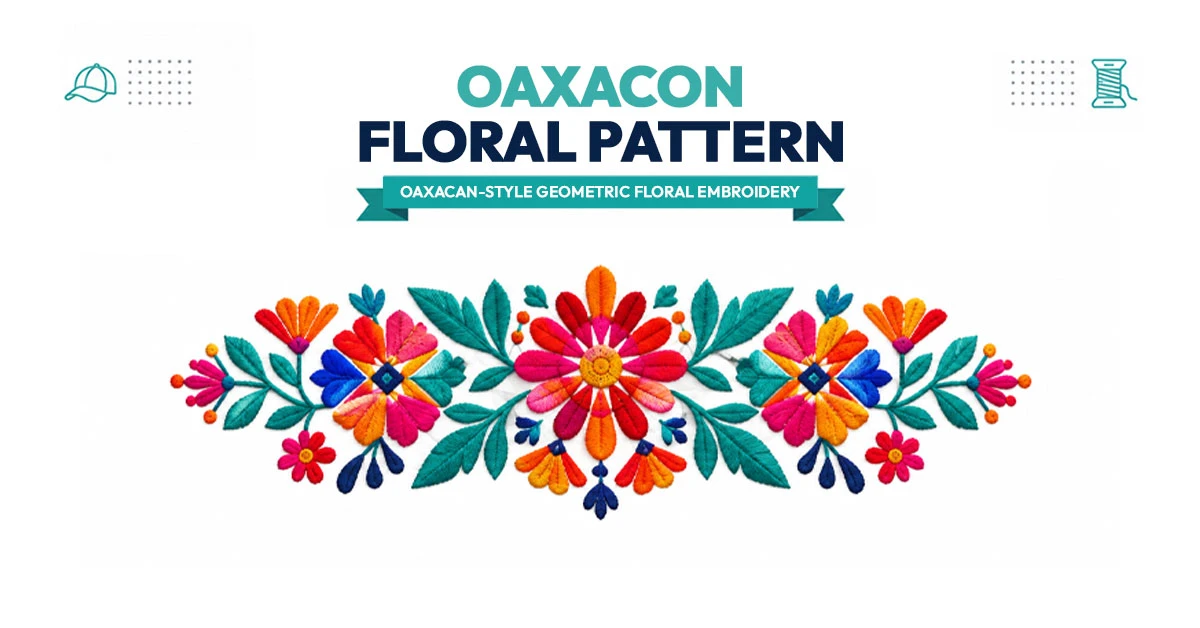
Oaxaca state is home to several distinct floral embroidery traditions, most visible on huipiles (traditional tunics) from towns like San Antonino Castillo Velasco. These patterns favor dense geometric flower clusters in blocks of solid color, often bordered by a contrasting chain stitch outline.
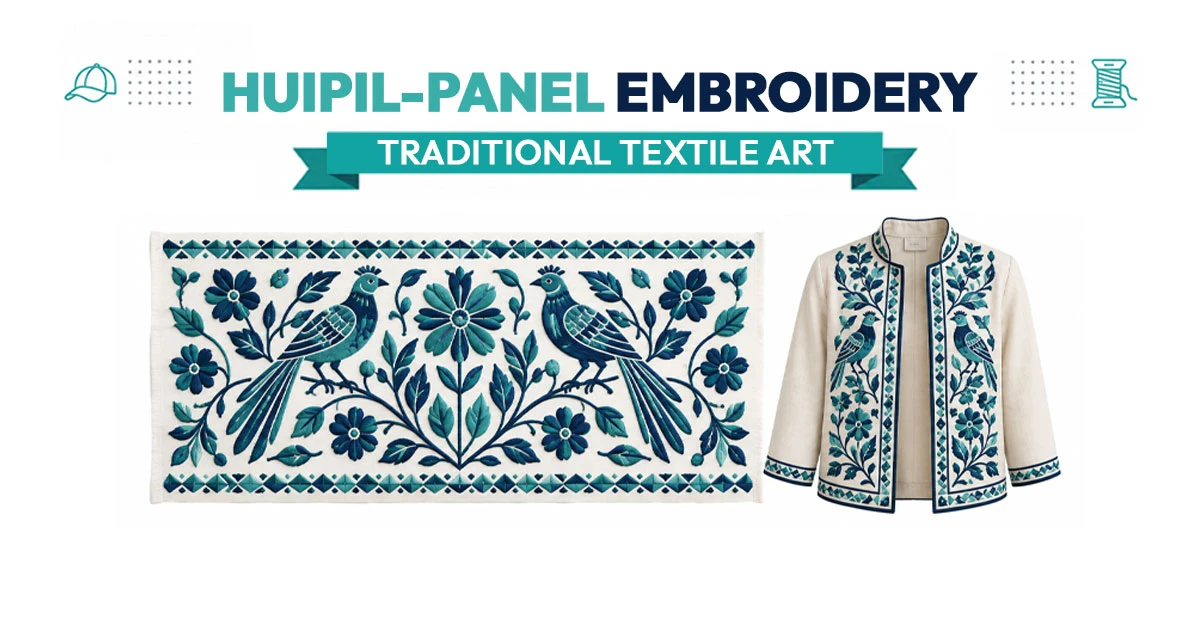
Beyond Oaxaca, huipil-style panel embroidery appears across Chiapas and the Yucatán with its own regional twists. These patterns are built for large, flat panels — think yokes, front placards, and full-back designs rather than small accent motifs.
Designers today regularly adapt traditional motifs for streetwear, home decor, and branded merchandise. These aren't historically "authentic" patterns, but they're the versions most requested for digitizing because they're built to work at apparel scale.
| Feature | Hand-Stitched Original | Machine-Digitized Version |
|---|---|---|
| Time to produce one piece | Days to weeks | Minutes per unit once digitized |
| Consistency across a batch | Varies piece to piece | Identical every run |
| Stitch density on the original | Extremely high, hand-packed | Simplified for machine speed |
| Best use case | One-of-a-kind textile art | Apparel, merch, repeat orders |
Turn a Traditional Pattern Into a Wearable Design
True Digitizing delivers stitch-ready files within 24 hours — trusted by 5,000+ USA embroiderers. Send a reference photo and we'll simplify it into a clean machine file without losing the motif's character.
Start My Order at True DigitizingIf you want a starting reference rather than designing from scratch, a few sources come up consistently:
Whichever source you start from, remember that a printable or hand-stitch pattern is not the same file format a machine needs — it still has to be digitized into stitch data before it can run on an embroidery machine. If your reference is a flat design rather than a photo, our vector tracing service can clean it up into crisp outlines first.
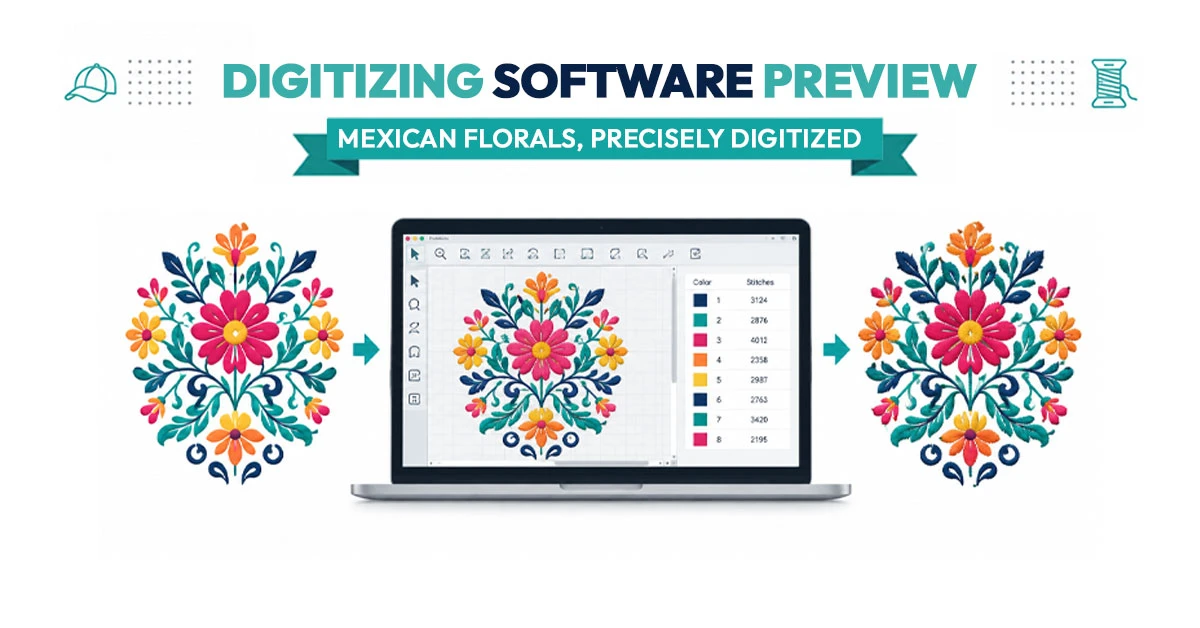
Converting a traditional pattern into a machine file is a design process, not a simple file conversion. It falls under custom embroidery digitizing — here's what actually happens between a reference photo and a finished, stitch-ready file at True Digitizing.
A few issues come up again and again when people try to recreate these patterns on a machine:
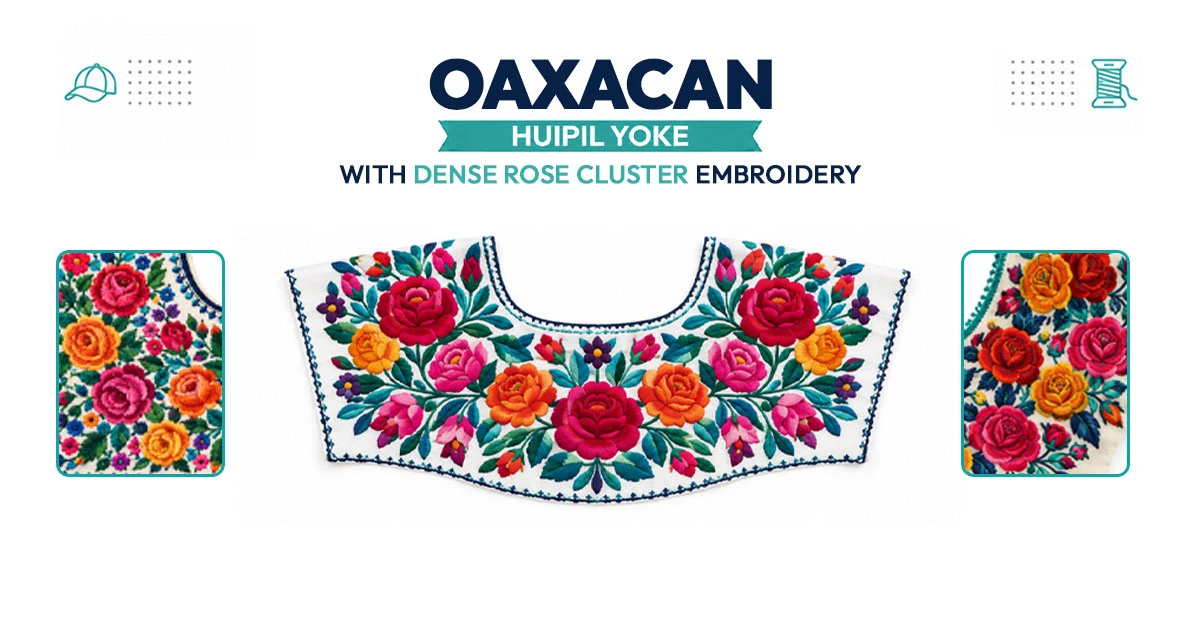
Because most traditional Mexican embroidery originated on plain-weave cotton, that's still the easiest base fabric to work with — it holds detail well and doesn't fight the stitch density of Oaxacan florals or Otomi outlines. Linen and lightweight canvas are close seconds for tote bags and home decor pieces.
For thread, rayon and polyester both reproduce the high-shine, saturated look of the originals, with polyester holding up better to repeated washing on apparel. Stick to a limited palette per design — 3 to 6 colors — even if the reference photo shows more; it keeps stitch count manageable and mirrors how many original pieces are actually stitched.
On stretch fabrics like knit tees or hoodies, a lighter stitch density and a cutaway stabilizer prevent the tunneling and puckering that dense floral fills are prone to. If you're unsure which combination fits your fabric, that's exactly the kind of call a digitizer makes before the file is finalized rather than after a failed test stitch.
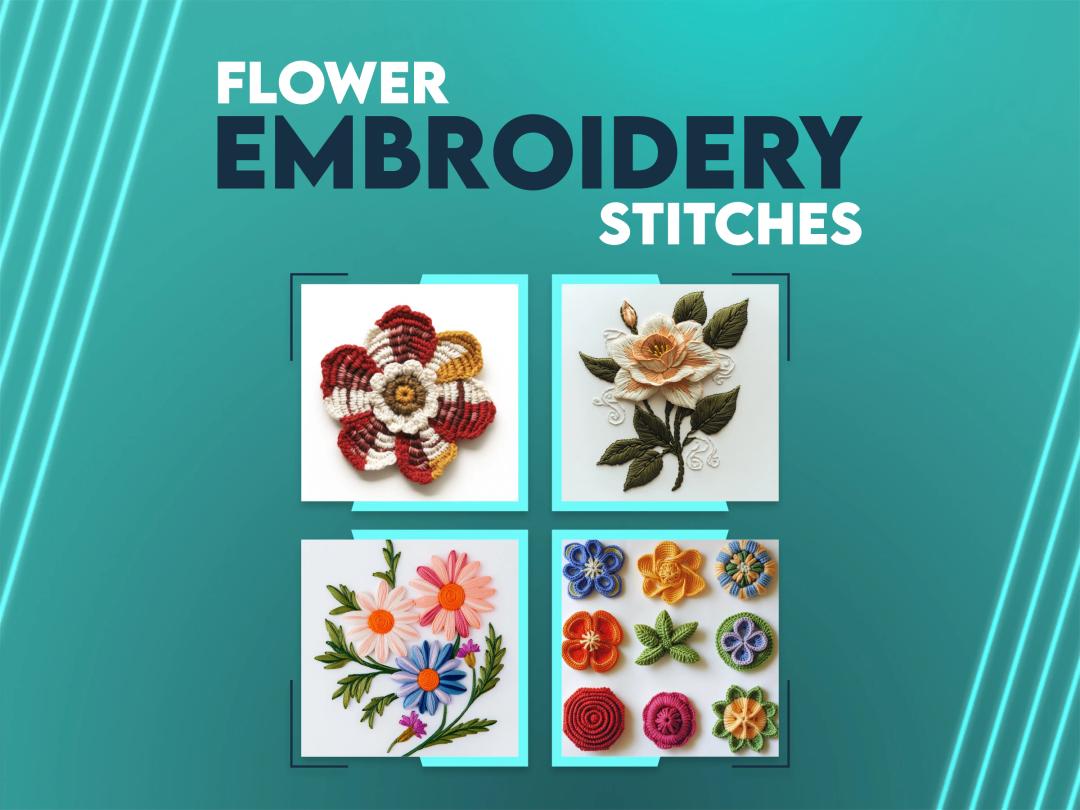
Want to go deeper on the stitch techniques behind these patterns or see what other embroidery styles are trending? Check out our guides on flower embroidery stitches, basic embroidery stitches for beginners, and what's currently popular in our embroidery trends roundup.
True Digitizing has helped 5,000+ USA embroiderers get professional stitch files since 2013. Send any Otomi, Oaxacan, or huipil-style pattern and get a machine-ready file back fast.
Get My Design Digitized by True Digitizing →Fast turnaround · truedigitizing.com · 100% satisfaction guaranteed
TrueDigitizing's team of embroidery digitizers and file conversion experts — delivering practical guides for home hobbyists and commercial shops alike. Our specialists cover the full range of embroidery production: custom digitizing for machine embroidery, vector art conversion, and physical embroidered patch manufacturing — with a 6-hour turnaround on digital files and worldwide patch delivery in 5 business days. Every article we publish comes from the same people handling real production orders daily. When we write about stitch density, underlay settings, or file formats, it is because we work with these variables across hundreds of client files every week — not because we researched them from the outside.
Categories
Embroidery Backing Guide: Types & How to Choose (2026)
11-10-2026
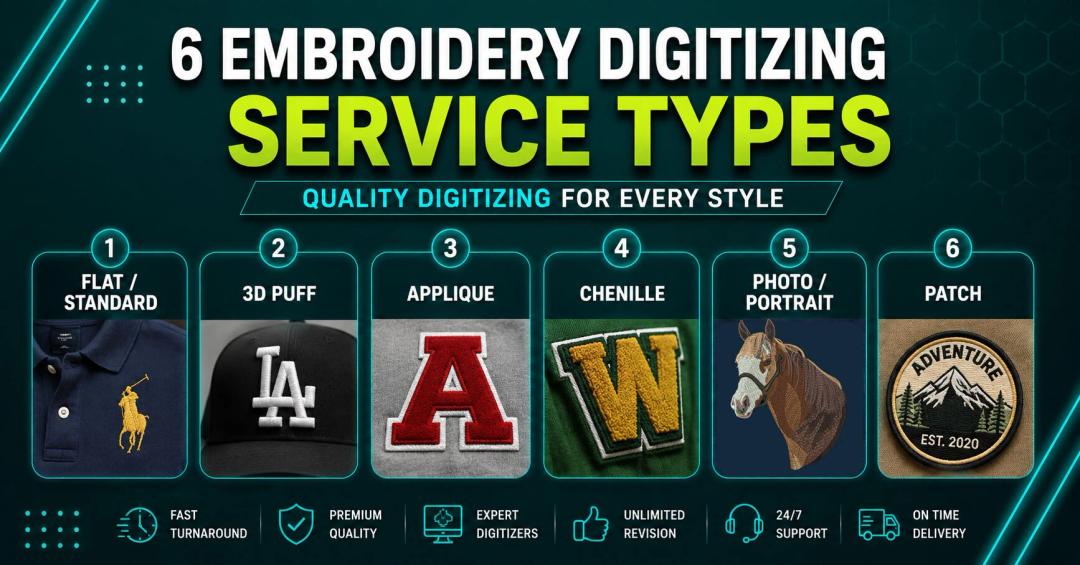
Embroidery Digitizing Services: Which Type Do You Need?
17-08-2026
How to Remove Embroidery From Any Fabric — Step-by-Step Guide 2026
15-07-2026
Is SVG a Vector File? Yes — SVG vs EPS, PNG, PDF Vector Formats you need to know
08-07-2026

Embroidery Trends 2026: What's Hot in Machine & Hand Embroidery | TrueDigitizing
26-06-2026
Top Best Embroidery Digitizing Software in 2026
06-05-2026

Best Multi-Needle Embroidery Machines for Startups (2026)
28-02-2026
DST File: The Complete Guide (What It Is, How to Create, Convert & Use in 2026)
28-02-2026
Janome 550E vs Baby Lock Flare | Best Mid-Range Embroidery Machine?
26-02-2026

Choose the Right Fabric for Embroidery
20-02-2026
Asked Questions