







At True Digitizing, we transform your creative spark into flawless, high-quality embroidery digitized designs that bring your vision to life.
Our Blogs
We Accept

Copyright 2025 Truedigitizing






At True Digitizing, we transform your creative spark into flawless, high-quality embroidery digitized designs that bring your vision to life.
We Accept
Copyright 2025 Truedigitizing

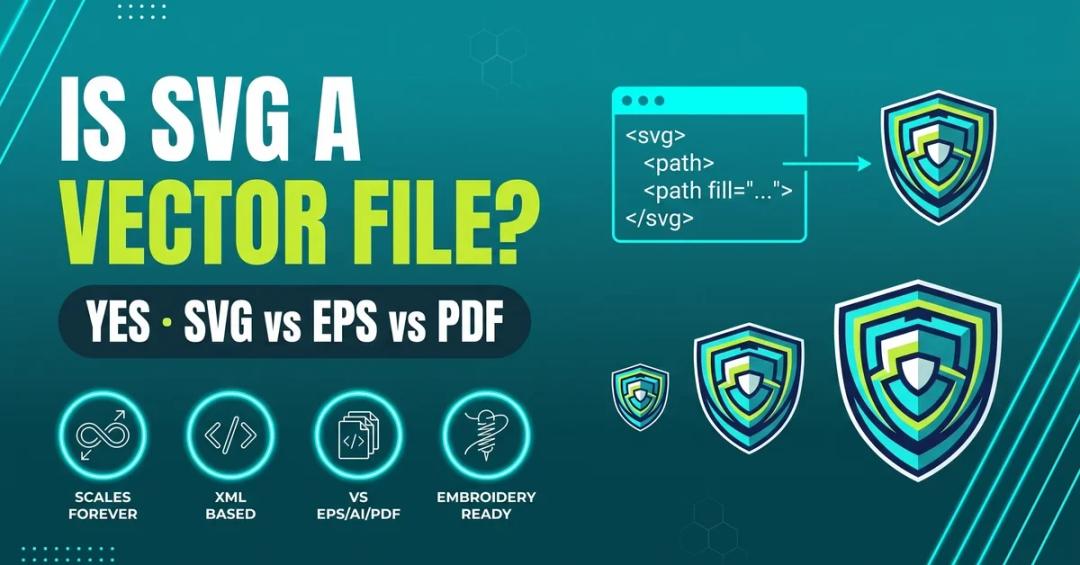
Yes, SVG (Scalable Vector Graphics) is a true vector file format. It stores images as mathematical path equations instead of a pixel grid, so an SVG logo scales from a favicon to a billboard without losing sharpness. Not every file with a .svg extension is purely vector — one can have a raster image embedded inside it — but a clean SVG is one of the best source files for web graphics, logo design, and embroidery digitizing.
Embroidery digitizing is at the heart of precision and creativity in embroidery design. At True Digitizing, we specialize in delivering high-quality embroidery digitizing services that transform your designs into perfect stitch patterns. One of the most common queries we encounter is how to convert a PDF to a DST file, an important step for embroidery machines. If you’ve ever struggled with this, we’ve got you covered.
In this blog post, we’ll break down the process and offer valuable insights to streamline your embroidery workflow.
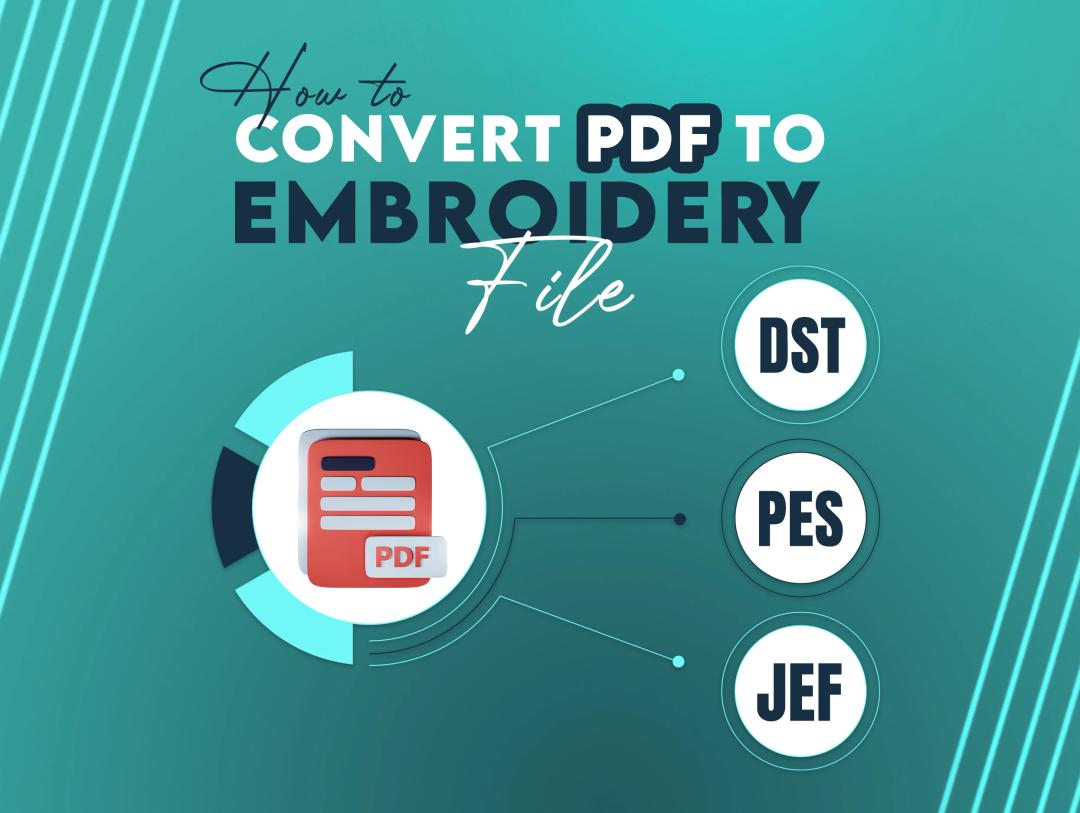
In the world of embroidery digitizing, converting a PDF to an embroidery file is a common but difficult task. Whether you have a design saved in PDF format or you’ve received a client’s logo as a PDF, understanding how to convert it into an embroidery file ensures smooth workflow and exceptional output.

